

1940s Jewellery
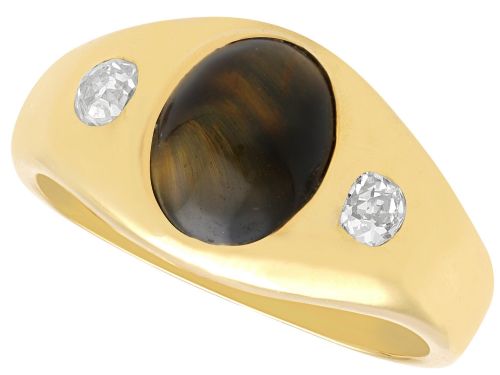
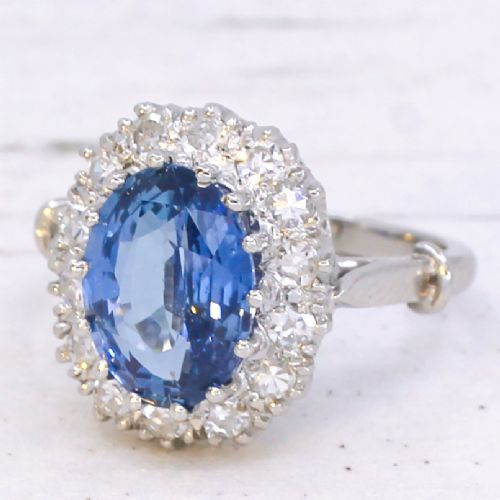
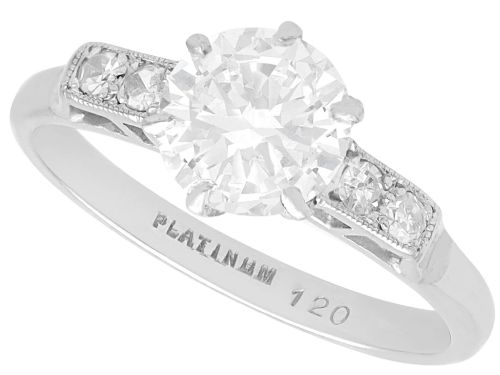
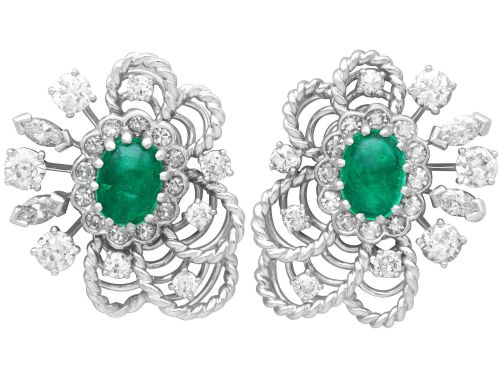
When buying 1940s jewellery, you encounter robust platinum settings, substantial cocktail rings and geometric gemstone clusters that reflect mid-century design.
1940s Jewellery
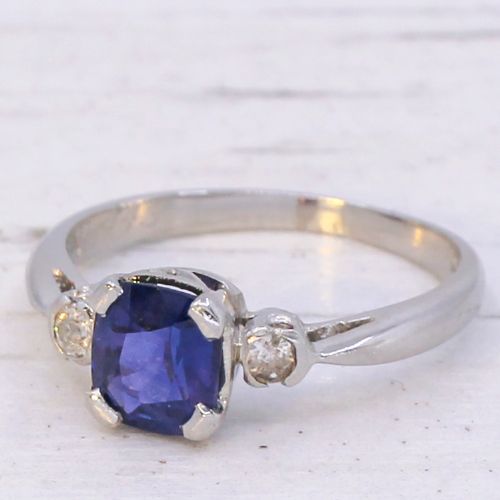
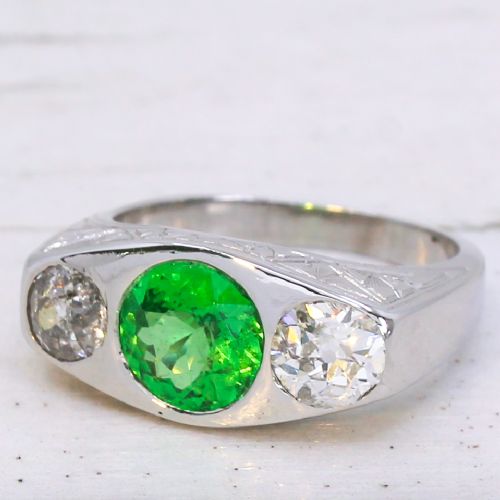
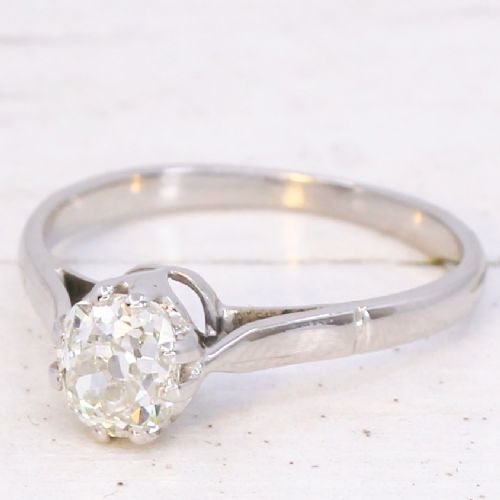
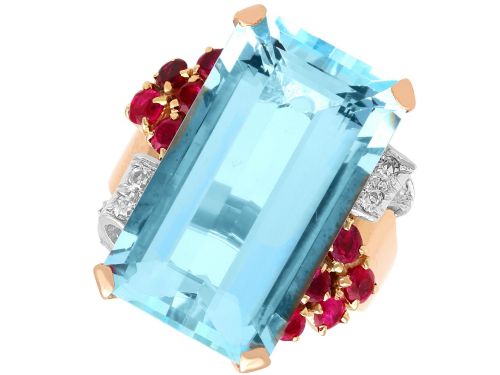
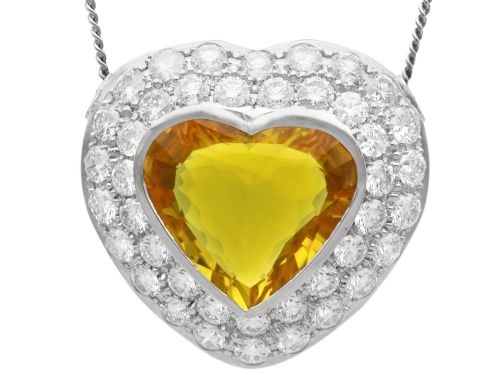
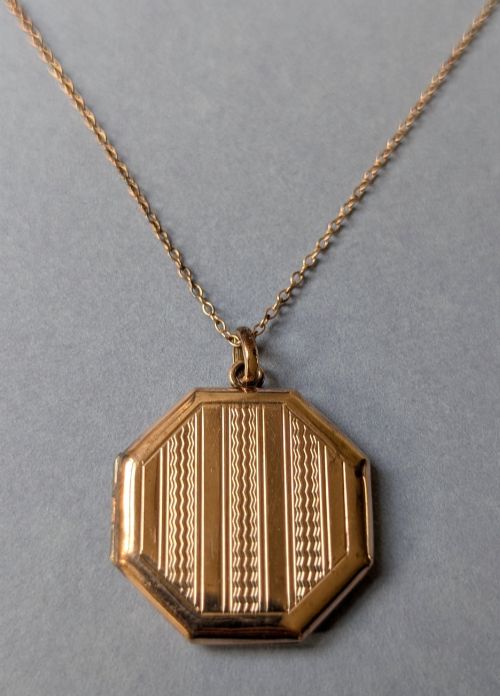
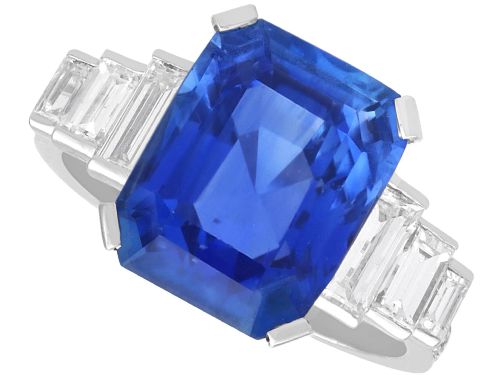
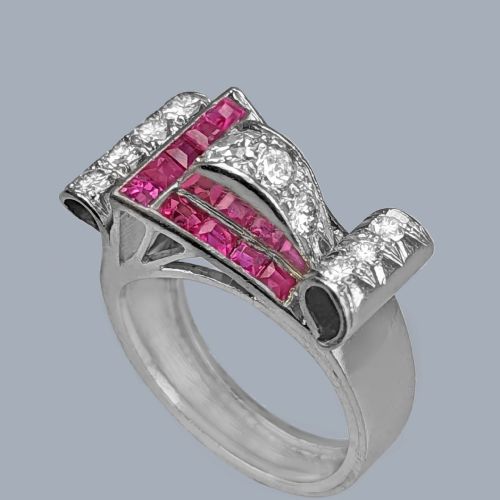
The 1940s jewellery selection encompasses rings, brooches, pendants and earrings created during a period defined by wartime resourcefulness and post-war optimism. Pieces range from delicate stacking wedding bands to heavy cocktail rings set with large aquramarines, rubies and sapphires.
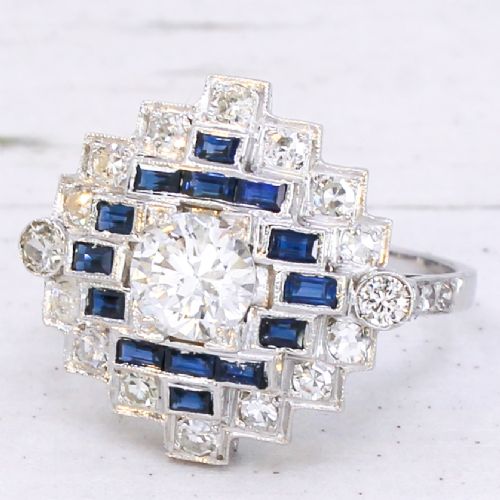
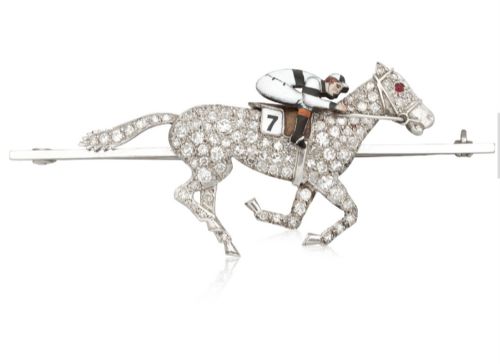
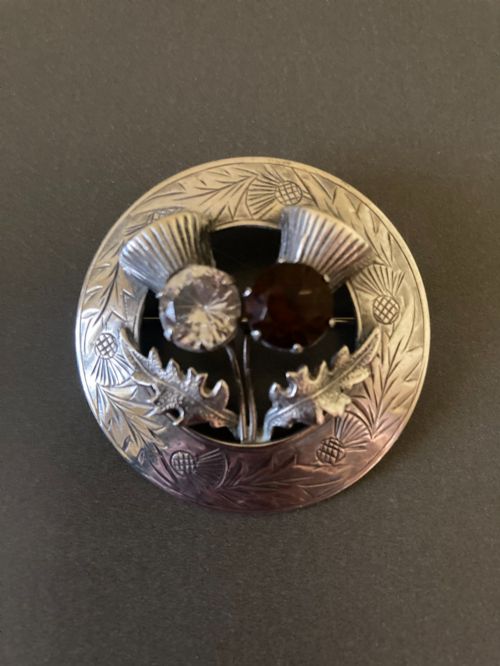
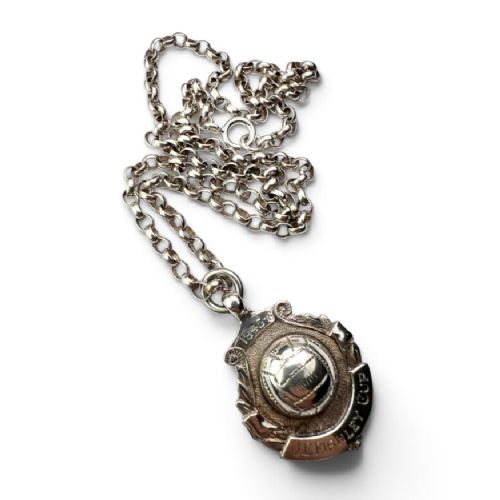
Most items you encounter date from the mid-1940s, frequently combining platinum with yellow, rose or white gold. Gemstone clusters, floral motifs and geometric designs dominate the offerings, alongside themed brooches depicting sports, flora and fauna.
How they were made
Metals such as platinum, sterling silver and various carats of yellow, rose and white gold form the structural foundations of these pieces. Jewellers utilised sturdy claws and bezels to secure heavy centre stones, often topping 18ct gold with platinum for enhanced durability and brightness.
Gemstones including diamonds, sapphires, rubies, aquramarines, opals and amethysts are shaped in old cut, round or step cuts. Enamel work and silver gilt details frequently appear on brooches and pendants, adding contrasting colour to the precious metals.
1940s Jewellery Retail Price Guide 2026
Typical asking prices for 1940s jewellery among the pieces listed under this phrase on Sellingantiques today, from the lower quarter to the upper quarter. They describe what is for sale here now, not the wider market.
Listings feature platinum, sterling silver and gold ranging from 8ct to 18ct, alongside diamonds, sapphires, rubies, aquramarines and amethysts.
What varies in quality
The distinction between standard and superior pieces rests on the weight and purity of the central gemstones alongside the complexity of the metalwork. Large, unheated or high-carat sapphires and substantial old cut diamonds elevate the importance of a ring or pendant.
Execution and provenance also dictate worth, as seen in signed items from established makers that feature detailed enamel or platinum-topped gold construction. Substantial metal gauge and balanced proportions separate everyday items from exceptional examples.
Garrard & Co·A H Darby & Son·Omega·G. Hoppe
The 1940s Jewellery Glossary
- Old cut
- A diamond cutting style prevalent before modern brilliant cuts, characterised by high crowns, small tables and deep pavilions that catch candlelight warmly.
- Cocktail ring
- A large, prominent ring designed to draw attention, typically featuring an oversized central gemstone surrounded by smaller diamonds.
- Silver gilt
- Sterling silver that has been coated with a thin layer of gold, providing the appearance of solid gold while maintaining a silver base.
- Trilogy ring
- A ring set with three stones, traditionally representing the past, present and future of a relationship.
1940s Jewellery: Frequently Asked Questions
What defines 1940s jewellery styles?
These pieces combine heavy gold settings, often rose or yellow gold, with substantial gemstones like aquamarine and ruby. Designs frequently incorporate geometric lines from earlier decades alongside floral and retro motifs.
Platinum-topped gold work and large cocktail rings are typical of the era, reflecting both wartime material restrictions and subsequent opulent trends.
How do I care for vintage gold and platinum rings?
Store each piece separately in a fabric-lined box to prevent softer stones and metals from scratching against one another. Remove rings when handling heavy objects or engaging in manual work to protect the claw settings.
Clean the metal and gemstones using warm soapy water and a soft brush, avoiding harsh chemical dips that can damage vulnerable stones like opals.
Are these pieces suitable for daily wear?
Many items, such as platinum diamond solitaire rings and sturdy wedding bands, are robust enough for everyday use. However, delicate items require more consideration.
Cocktail rings featuring softer gems like opal or high-carat aquamarine demand careful attention to avoid knocks and impacts during routine tasks.
How can I tell a 1940s piece from later jewellery?
Look for specific construction traits such as heavy gauge rose gold, old cut diamonds and platinum-topped 18ct gold mounts. The combination of materials and distinct retro motifs provides strong clues to the decade of manufacture.
Maker marks, signatures and specific hallmarks stamped on the metal further help to anchor the piece within the 1940s timeline.