




1940s Gold Diamond Ring
A 1940s gold diamond ring brings together substantial yellow or white gold settings and characterful old cut diamonds for everyday wear.
1940s Gold Diamond Ring
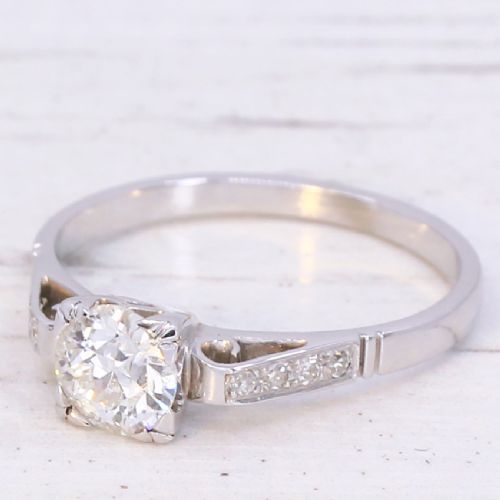
A 1940s gold diamond ring encompasses engagement rings, bold cocktail clusters, and substantial signet styles created during a period of distinct design shifts. The selection frequently includes pieces drawing on Retro Modern, Art Deco, and mid-century aesthetics.
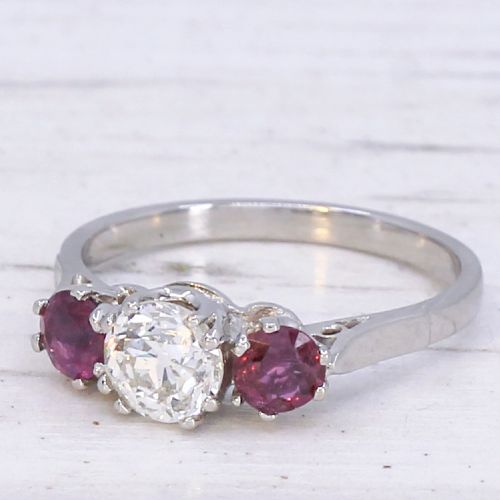
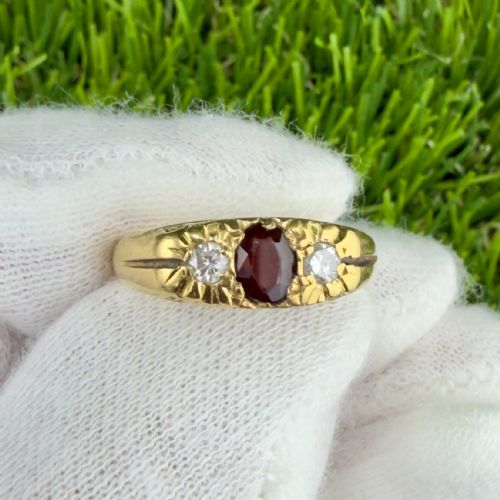
Meticulous construction defines these surviving examples, moving from delicate solitaire mountings to heavy architectural tank rings. Buyers encounter a mix of bright yellow gold and cooler white precious metals framing central diamonds alongside rubies, sapphires, and emeralds.
Materials and Construction Methods
Metals such as 18ct yellow gold, 18ct white gold, and platinum provide the structural foundation for these jewels. Workshops frequently combined these precious metals to contrast warm bands with bright white settings that enhanced the sparkle of the stones.
Gems including old cut diamonds, sapphires, rubies, and aquamarines were secured within claw, bezel, or heavy channel mounts. The tactile weight of tank rings and cluster settings reflects the substantial metalwork characteristic of the era.
Materials appearing across the inventory include platinum, 18ct yellow and white gold, alongside coloured gems like aquamarine, ruby, and sapphire.
Assessing Craftsmanship and Distinction
The standard of a piece rests upon the calibre of the central gemstones and the precision of the metalwork. Superior examples display harmonious proportions between the mounting and the stones, avoiding heavy-handed repairs.
The weight and integrity of the gold or platinum shank indicate the original tier of production. Pieces retaining crisp detailing in their scrollwork or architectural shoulders command greater attention from collectors.
The 1940s Gold Diamond Ring Glossary
- Old cut diamond
- A diamond cut by hand before modern machinery standardised facet proportions, typically featuring a smaller table and a higher crown. This cut produces a softer, candlelit sparkle rather than the sharp brilliance of modern stones.
- Tank ring
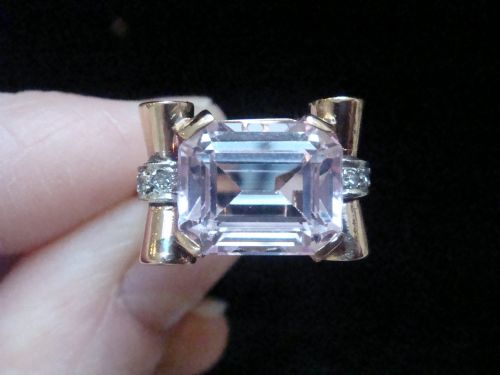
- A bold, architectural jewellery style originating in the 1940s, named for its resemblance to the heavy tracks of military tanks. These pieces often feature sweeping gold ribbons and substantial central gemstones.
- Trilogy ring
- A ring set with three stones, traditionally representing the past, present, and future. They frequently pair a central diamond with smaller side diamonds or coloured gems.
- Cluster ring
- A design featuring a central gemstone surrounded by a border of smaller stones, often diamonds. This arrangement maximises visual impact and light reflection on the hand.
- Coronet cluster
- A raised cluster setting where the supporting metalwork resembles a small crown. This elevates the central stone to allow light to enter from the sides.
1940s Gold Diamond Ring: Frequently Asked Questions
How do I care for a vintage gold ring?
Clean your jewellery gently using warm water, mild soap, and a soft brush to remove everyday debris from beneath the settings.
Avoid wearing antique rings during heavy physical tasks to protect the original prongs and softer gemstones from accidental knocks.
Are these rings suitable for daily engagement wear?
Diamonds and durable gold or platinum settings make many pieces from this era robust enough for regular daily use.
Consider the profile of the ring and the hardness of any accompanying coloured stones when choosing a piece for constant wear.
Can antique ring bands be resized easily?
Most gold and platinum bands can be adjusted by a skilled jeweller without compromising the structural integrity of the piece.
Intricate gallery work or stones set all the way around the band may require specialist attention during alteration.