



1940s Gemstone Ring
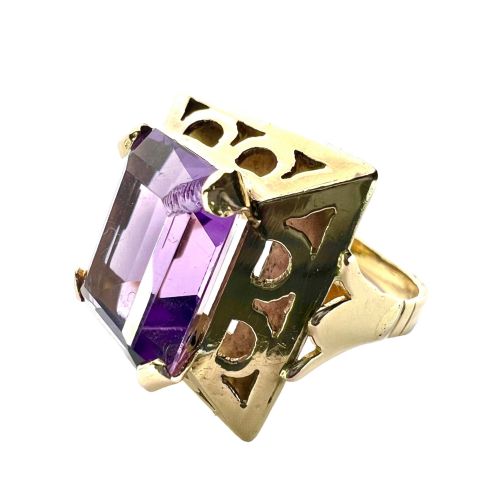
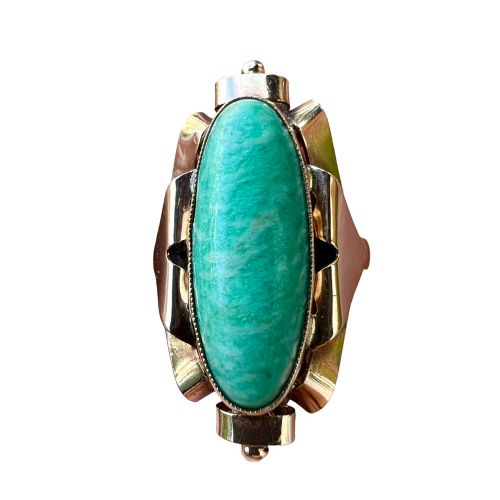
A 1940s gemstone ring brings bold geometry and substantial stones together for a look that commands attention on the hand.
1940s Gemstone Ring
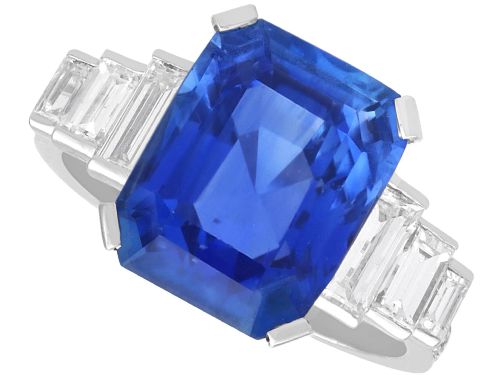
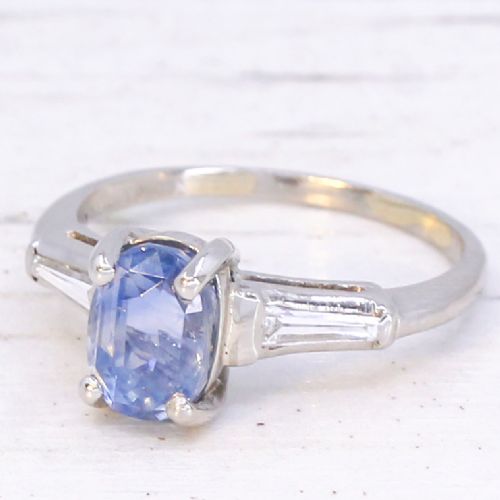
A 1940s gemstone ring typically combines central coloured stones like sapphires, rubies, or amethysts with platinum or gold settings. Buyers searching for a 1940s gemstone ring will encounter robust cocktail designs alongside cleaner geometric silhouettes influenced by the preceding decades.
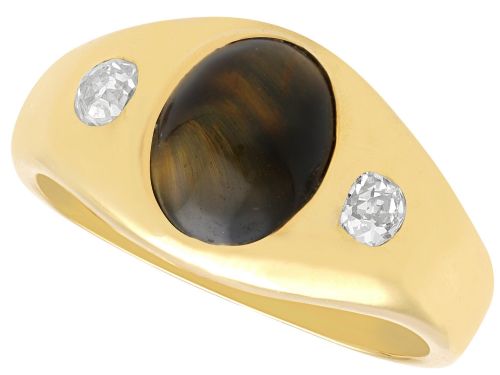
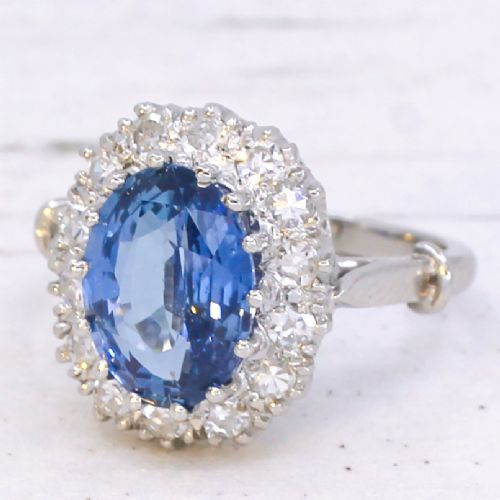
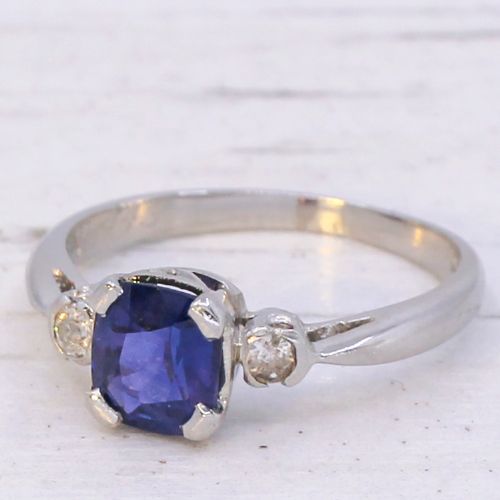
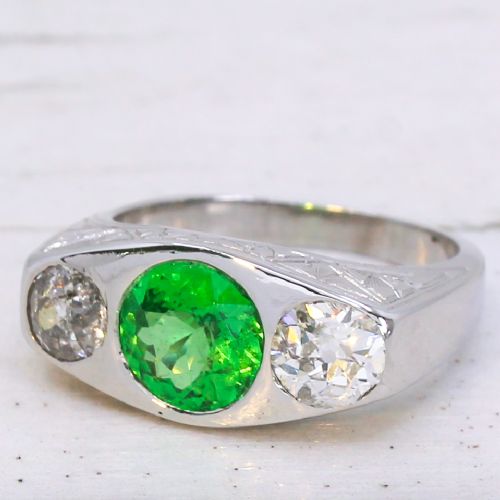
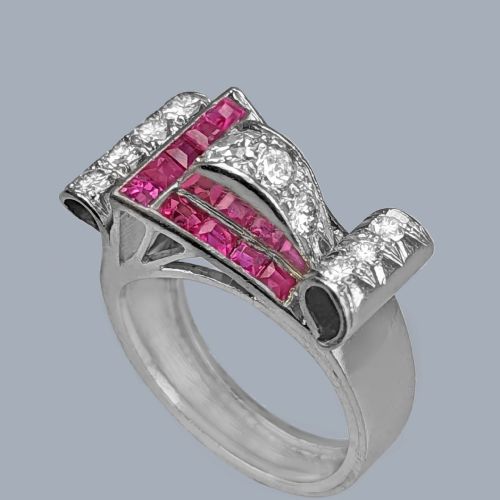
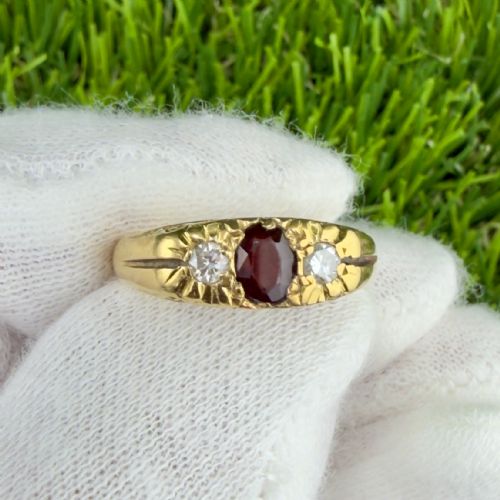
The objects recorded here span the 1930s through to the 1950s, capturing the transition from sleek Art Deco lines into the sculptural volume of the Retro Modern era. Cocktail rings and cluster rings dominate the forms, often featuring large centre stones flanked by smaller diamonds.
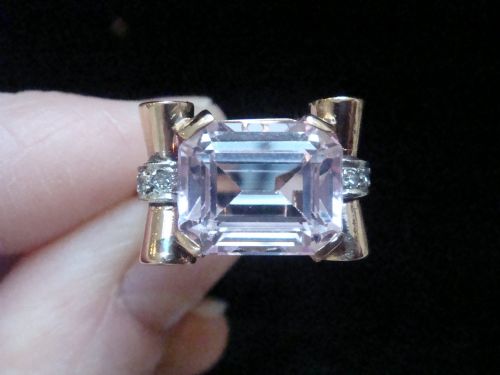
Platinum and 18ct gold serve as the primary foundations for these pieces, supporting substantial weights of aquamarine, kunzite, or chrysoberyl. The resulting jewellery reflects the wartime and post-war appetite for durable yet striking ornamentation.
Materials and construction methods
Goldsmiths utilised platinum and various grades of gold, including 14ct and 18ct yellow gold, to mount stones securely within weighty frames. Tank cocktail rings demonstrate the era's preference for broad, stepped gold ribbons that mimic machinery and architectural forms.
Gemstones such as unheated Kashmir sapphires, Ceylon sapphires, and natural emeralds were shaped into old cuts, square facets, or large emerald cuts to maximise brilliance. Claw settings and channel settings anchor these substantial minerals firmly into their respective precious metal mountings.
1940s Gemstone Ring Retail Price Guide 2026
Typical asking prices for 1940s gemstone ring among the pieces listed under this phrase on Sellingantiques today, from the lower quarter to the upper quarter. They describe what is for sale here now, not the wider market.
The styles recorded span Art Deco, Retro Modern, and Mid-Century aesthetics, appearing as standard rings, cluster rings, trilogy rings, and bold cocktail rings.
Factors of distinction
The calibre of a ring rests heavily on the provenance and optical properties of its central gemstone, particularly when unheated sapphires or large natural aquamarines are involved. Heavier precious metal construction, such as substantial platinum or robust 18ct gold chassis, denotes a higher tier of production.
Proportion and stone pairing separate standard examples from exceptional ones, especially in complex multi-stone clusters and tank styles where diamond accents must complement the dominant gem without crowding it.
The 1940s Gemstone Ring Glossary
- Tank ring
- A chunky, voluminous style of ring popular during the 1940s that drew inspiration from military hardware and heavy machinery. These pieces often feature tiered or stepped gold shoulders framing a central stone.
- Ceylon sapphire
- A sapphire originating from the island nation of Sri Lanka, known for a bright and vibrant cornflower blue hue. They appear frequently in high-end cluster and platinum settings from this period.
- Old cut
- A traditional diamond cutting style characterised by a smaller table, higher crown, and large culet facet. This cut produces a softer, candlelit sparkle distinct from modern brilliant cuts.
- Amethyst paste
- A form of manufactured lead glass coloured to imitate genuine amethyst. It was utilised to achieve vibrant purple hues within decorative mountings during periods of material scarcity.
1940s Gemstone Ring: Frequently Asked Questions
How do I spot a true 1940s ring?
Look for heavy metal usage combined with architectural motifs, such as broad gold ribbons or stepped platinum shoulders. These design cues reflect the distinct transition from geometric Art Deco aesthetics to bold Retro styling.
Examine the setting types and stone cuts alongside any hallmarks present on the inner shank. Assay office marks like Birmingham can help anchor the production year precisely.
Are these rings suitable for daily wear?
Many of these pieces were built robustly in platinum or 18ct gold, making them durable enough for regular use. However, delicate settings or large projecting stones require care during manual tasks.
Consider the hardness of the central gemstone, as sapphires and diamonds withstand daily wear better than softer minerals like kunzite.
What is a tank cocktail ring?
A tank cocktail ring is a substantial piece of jewellery featuring broad, sculptural gold work that mimics heavy machinery. This style emerged during the 1940s as a bold response to wartime restrictions.
They frequently showcase large central stones flanked by rows of smaller diamonds set into tiered shoulders.
How do I care for vintage gemstone rings?
Clean your jewellery gently using warm water, mild soap, and a soft brush to remove everyday oils from beneath the stones. Avoid harsh chemical dips, particularly if the piece contains softer coloured stones or paste.
Store each ring separately in a lined box to prevent precious metals and hard gemstones from scratching neighbouring pieces.