



1935 Sapphire Ring
A 1935 sapphire ring brings the geometric clarity of the Art Deco period directly to the hand.
1935 Sapphire Ring
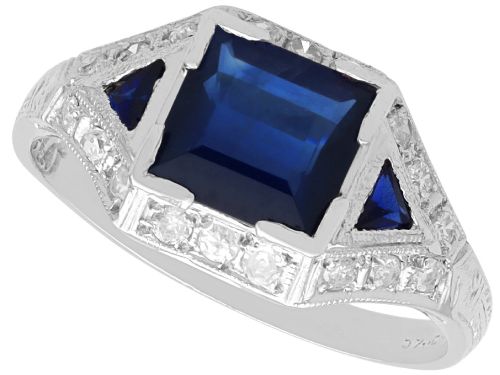
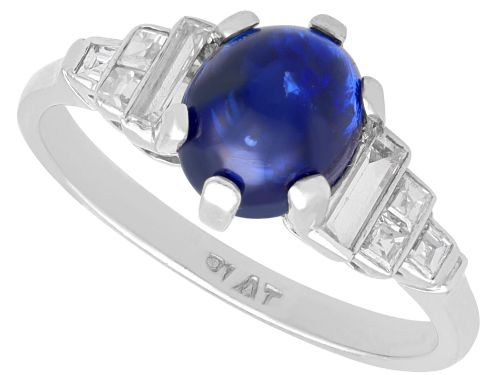
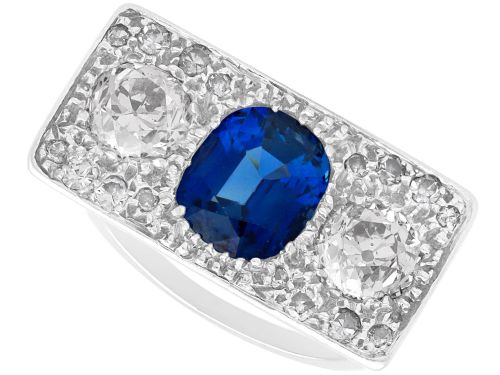
A 1935 sapphire ring represents the geometric precision of the Art Deco period, uniting strong lines with coloured gemstones. These pieces typically take the form of dress rings or cluster rings, often accompanied by brilliant or accent diamonds.
The sapphire remains the focal point, appearing in shades from deep blue to vibrant yellow, alongside occasional Burmese and Ceylon origins. Buyers are most likely to encounter these set in precious metals that define the mid-1930s aesthetic.
How they were made
Master jewellers of the era utilised platinum alongside yellow gold, white gold, palladium, and 15ct yellow gold to secure the central stones. Platinum settings allowed for delicate, intricate claw and bezel arrangements that maximised light entry into the diamond and sapphire facets.
Gemstones were meticulously cut and calibrated to fit flush within geometric mountings, pairing step-cut or cabochon sapphires with clustered diamond shoulders. The marriage of durable platinum and traditional gold alloys ensured structural integrity for daily wear.
1935 Sapphire Ring Retail Price Guide 2026
Typical asking prices for 1935 sapphire ring among the pieces listed under this phrase on Sellingantiques today, from the lower quarter to the upper quarter. They describe what is for sale here now, not the wider market.
Listings feature pieces fashioned from platinum, palladium, 14ct yellow gold, 15ct yellow gold, 18ct yellow gold, and 18ct white gold.
What varies in quality
The calibre of a 1935 sapphire ring rests upon the saturation and geographic provenance of the central sapphire, with Ceylon and Burmese origins commanding particular attention. Clarity grades and the weight distribution between the primary sapphire and surrounding diamonds further distinguish exceptional examples.
Craftsmanship in the metalwork sets finer pieces apart, visible in the precision of the platinum or gold settings and the symmetry of the Art Deco geometric layout. The integration of unheated stones or unusual yellow sapphires adds notable distinction to the upper tier of survivals.
The 1935 Sapphire Ring Glossary
- Art Deco
- A design style dominant in the 1930s characterised by sleek geometric shapes, stylised motifs, and symmetrical patterns. It heavily influences the architectural mountings of these rings.
- Cabochon
- A gemstone shape featuring a convex, polished surface without facets rather than a flat cut top. This technique highlights the deep colour and internal characteristics of high-carat sapphires.
- Cluster ring
- A ring design featuring a prominent central stone encircled by a border of smaller gemstones, usually diamonds. This arrangement maximises visual impact on the hand.
1935 Sapphire Ring: Frequently Asked Questions
How do I wear a 1935 sapphire ring?
These rings suit daily wear provided you remove them during heavy manual tasks to protect the precious metal settings. Pairing them with simple bands allows the geometric Art Deco design to remain the focal point on the hand.
Because the stones include both diamonds and softer gold or platinum mountings, storing them in a fabric-lined box prevents scratching against other jewellery. Regular gentle cleaning maintains the brilliance of the central sapphire.
Are these rings genuinely from 1935?
The pieces reflect the definitive Art Deco style and material combinations characteristic of the mid-1930s period. Each mounting and gemstone arrangement aligns with the manufacturing techniques recorded from that decade.
Specific details such as platinum claw work and regional sapphire origins help corroborate the period of manufacture. Consulting the listed material specifications confirms the authentic composition of each ring.
What is the difference between Ceylon and Burmese sapphires?
Ceylon sapphires typically exhibit a vibrant, luminous blue tone, whereas Burmese varieties are often celebrated for a deep, rich saturation. Both origins are frequently documented in pieces from this era.
These geographical distinctions contribute significantly to the character and identity of the central gemstone. The natural clarity and colour zoning vary naturally between these two renowned sources.
Can I resize a platinum or gold Art Deco ring?
Most skilled jewellers can adjust the band size of these rings without disturbing the delicate head or side stones. The choice of platinum, yellow gold, or white gold determines the specific soldering technique required.
It is advisable to consult a specialist experienced in handling vintage mountings to preserve the structural integrity of the shoulders. Proper sizing ensures the ring sits comfortably while maintaining the symmetry of the original design.