



1930s Wooden Lamp
These 1930s wooden lamp choices bring strong geometric presence and warm grain to a room, offering both sculptural height and useful illumination.
1930s Wooden Lamp
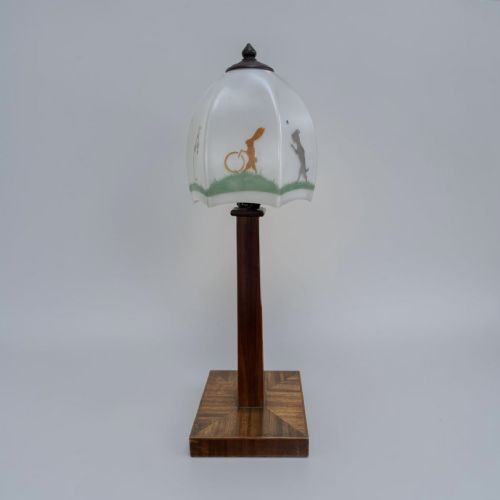
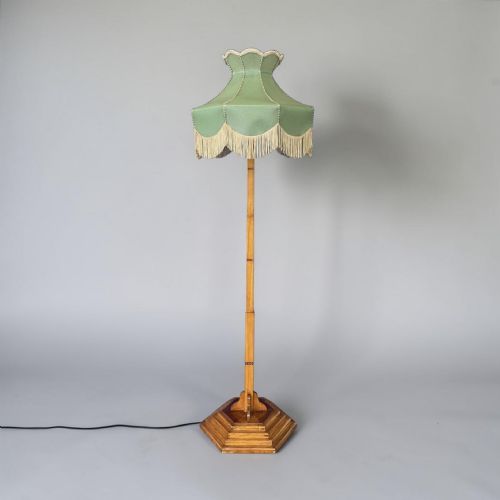
A 1930s wooden lamp combines the striking architectural lines of the Art Deco period with the warmth of natural timber. Buyers searching this phrase typically encounter tall floor-standing columns designed to cast light across a living space.
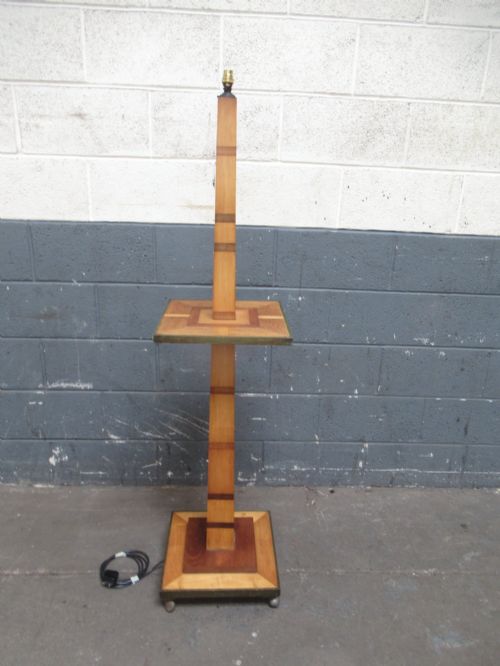
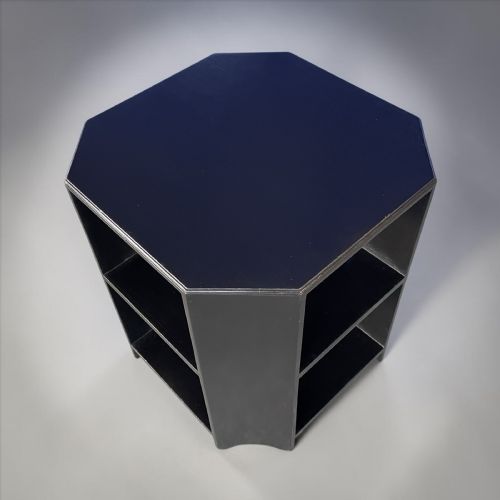
The selection ranges from slender standard lamps to compact table lamps and dual-purpose lamp tables. Walnut and oak dominate the forms, often showing the distinct grain patterns favoured by designers of the era.
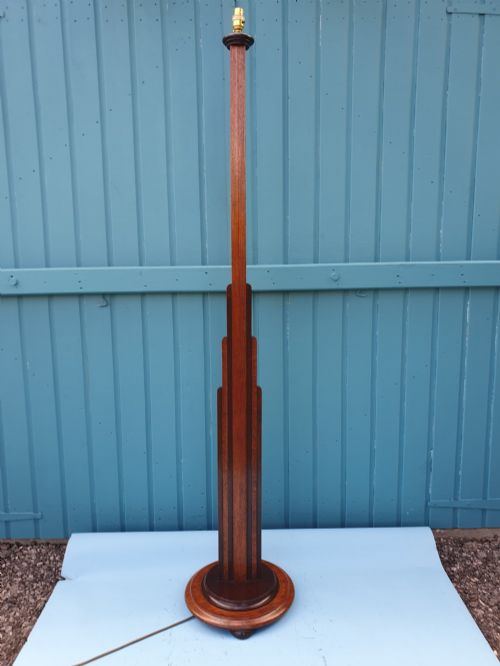
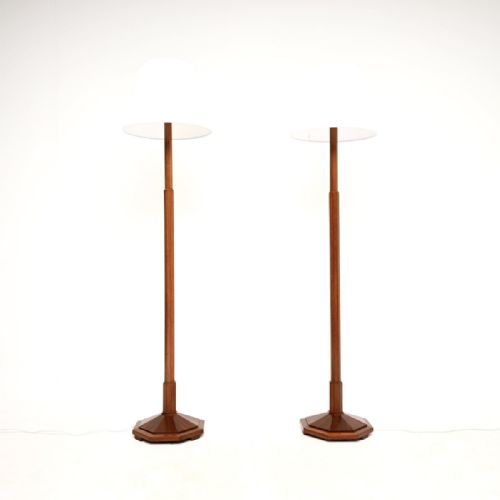
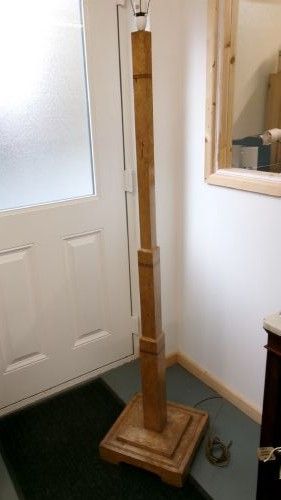
Many examples lean into the geometric vocabulary of the decade, featuring stepped bases and octagonal columns. Others borrow from earlier revival styles or incorporate brass fittings and contrasting ebonised details.
Materials and construction methods
Cabinet makers utilised solid timbers alongside figured veneers to achieve rich surface patterns on these lamps. Walnut and oak form the primary structural woods, frequently paired with contrasting ebony or mahogany accents.
Metal components in brass and toleware provide structural support and functional contrast to the timber bodies. Glass elements occasionally appear in shades and diffusers, completing the mixed-material construction typical of the decade.
Listings combine walnut and oak with brass and glass, spanning floor-standing standard lamps and multi-tiered tables.
What separates the finest examples
Quality rests heavily on the choice of timber and the precision of the grain matching across the surfaces. Figured walnut and golden oak veneers show careful selection by the maker, creating symmetrical patterns that catch the light.
The sophistication of the silhouette defines the better pieces in this category. Strong architectural forms, such as stepped skyscraper profiles or cleanly turned shafts, demonstrate superior design confidence compared to plain turned posts.
The 1930s Wooden Lamp Glossary
- Standard lamp
- A tall floor-standing lamp designed to illuminate a room from a corner or beside seating. These pieces often feature substantial timber shafts and heavy weighted bases for stability.
- Veneer
- A thin layer of highly figured wood applied over a secondary timber base. This technique allowed cabinet makers to display dramatic grain patterns without using solid costly lumber.
- Art Deco
- A design movement characterised by sleek geometric shapes, stylised motifs, and modern industrial materials. It dominates the aesthetic of lighting and furniture from this decade.
- Toleware
- Painted or enamelled metalware used for lamp shades and desk components. It adds a durable, colourful surface finish that contrasts against polished wood.
- Barley twist
- A type of turned wooden leg or column carved in a spiral rope pattern. This decorative turning appears frequently on oak occasional furniture from the period.
1930s Wooden Lamp: Frequently Asked Questions
How do I wire an old wooden lamp?
Rewiring requires running modern insulated cable through the original timber channel or central brass tube. A qualified electrician should install contemporary fittings to ensure safety while preserving the vintage exterior.
Original plugs and perished fabric cords should be replaced immediately. Many collectors retain original brass switches where they remain functional and safe for daily use.
Are these lamps stable on carpets?
Standard lamps from this era typically feature wide wooden bases designed to anchor their height. Heavier oak and walnut columns balance well on solid floors and dense carpets alike.
Some lighter models rely on internal weighting beneath the base plate. Checking the base reveals whether the timber is broad enough to prevent tipping in high-traffic areas.
How do I match wood tones?
The period encompasses everything from pale blond walnut to dark ebonised oak and rich golden timber. Matching relies on observing the undertones of the wood rather than matching exact species names across a room.
Natural ageing and sunlight exposure create distinct patinas on each piece. Allowing different tones to sit together often works better than forcing an exact colour match.
Where should I place a standard lamp?
These tall floor lamps suit corners where their vertical lines can frame seating groups. They cast ambient light upwards or downwards depending on the shade used.
Positioning them away from high-moisture areas protects the polished wood and veneer. Keeping them clear of direct, intense sunlight preserves the original grain contrast of the walnut or oak.