

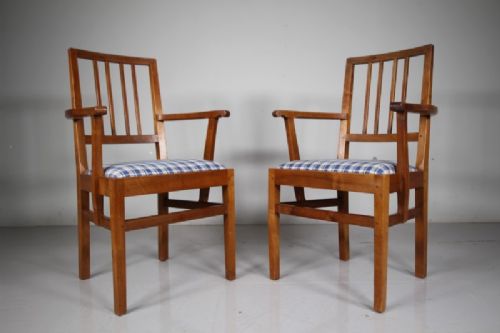

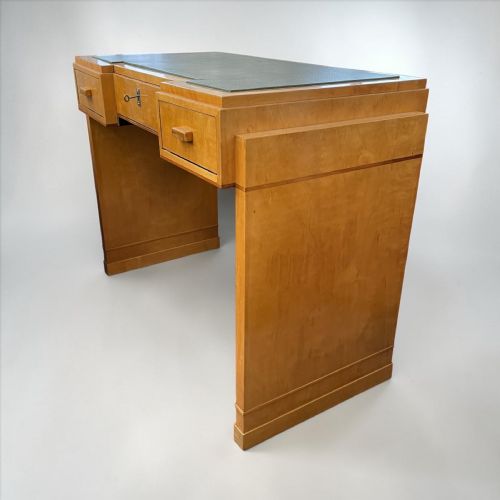
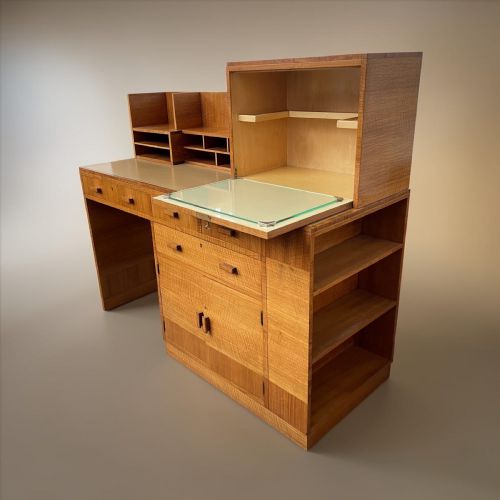
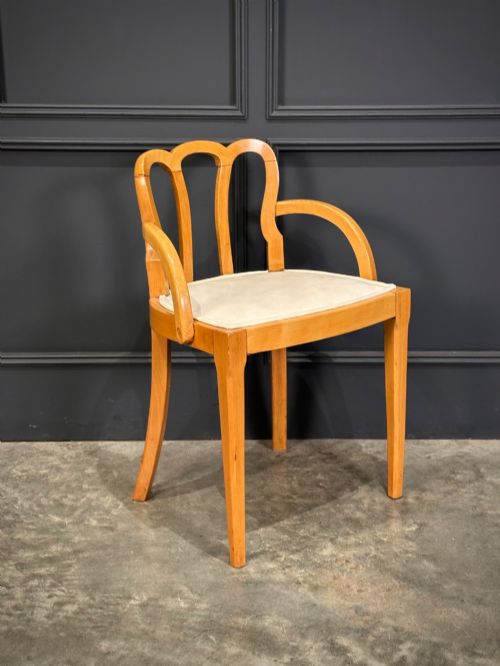
1930s Wooden Desk
A 1930s wooden desk brings genuine interwar character to a study through strong geometric lines and warm timber tones.
1930s Wooden Desk
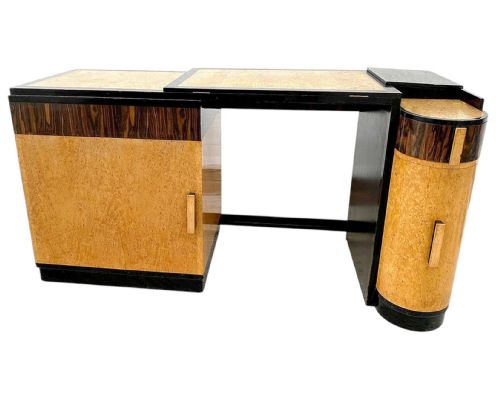
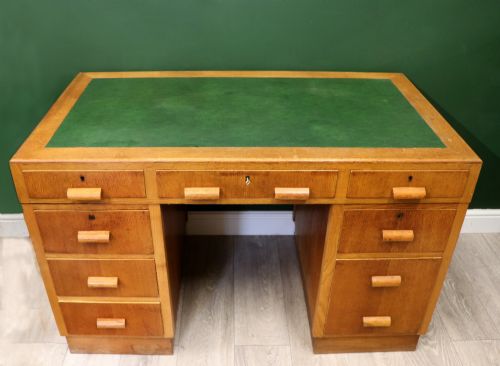
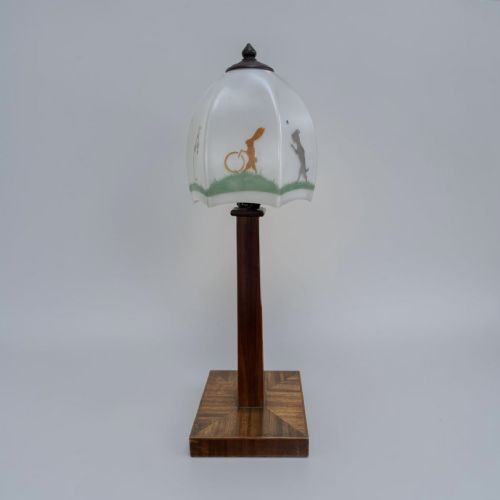
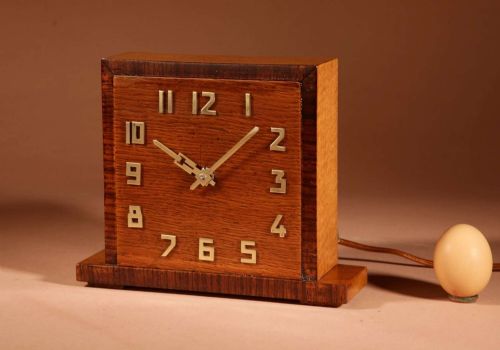
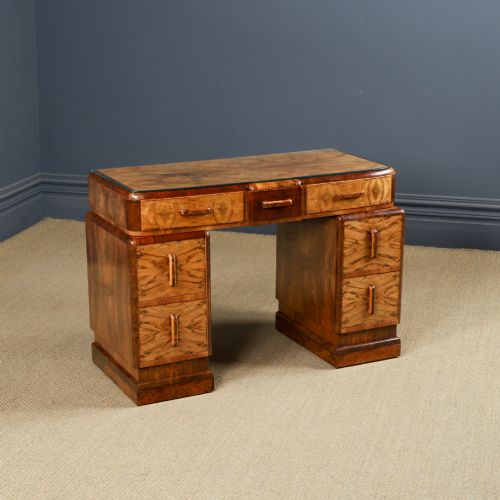
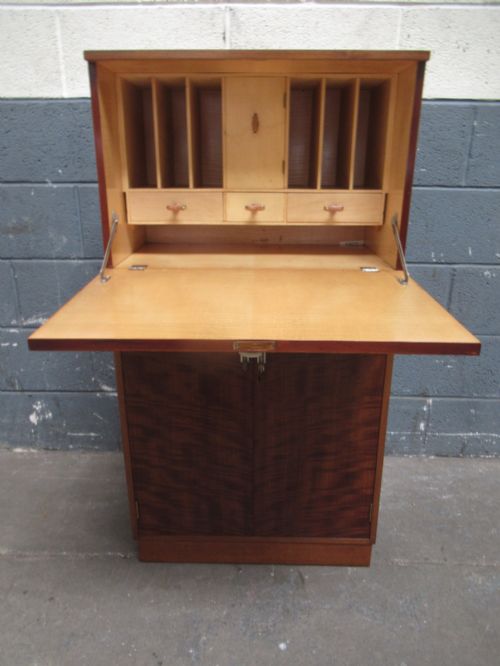
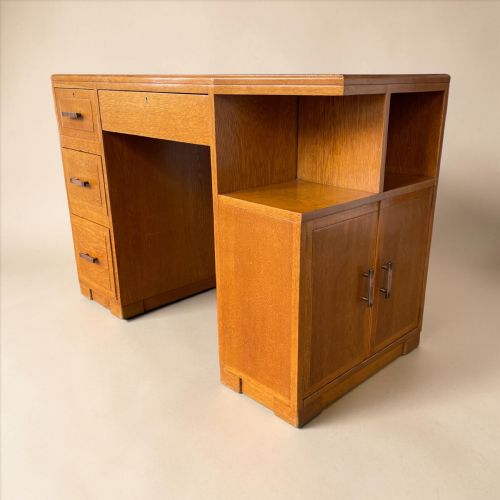
A 1930s wooden desk spans several distinct aesthetic movements of the interwar period, merging traditional craftsmanship with modern design. Buyers seeking this phrase encounter sturdy office furniture built to last, often taking the form of twin pedestal writing desks or smaller bureaus.
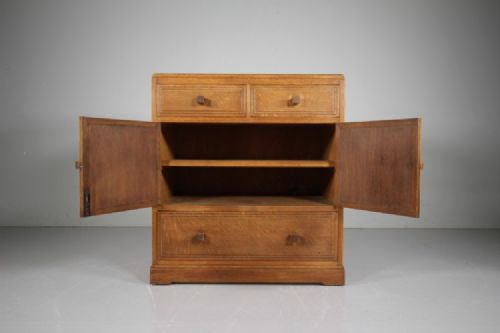
The prevalent style on this page is Art Deco, alongside Arts and Crafts and Cotswold School influences. These pieces reflect the shift toward practical yet stylish home and office furnishings during the 1930s.
Materials and construction methods
Makers utilised solid timbers and decorative veneers, selecting oak, walnut, burr elm, satinwood, and mahogany to build these desks. Brass and chrome hardware provided functional accents, while occasional glass tops protected the wooden surfaces.
Joinery techniques combined traditional cabinet-making skills with the geometric shaping characteristic of the period. Desks often integrated pedestal drawers and writing compartments designed for daily utility.
1930s Wooden Desk Retail Price Guide 2026
Typical asking prices for 1930s wooden desk among the pieces listed under this phrase on Sellingantiques today, from the lower quarter to the upper quarter. They describe what is for sale here now, not the wider market.
The listings feature oak and walnut as the primary woods for desks, alongside mahogany, satinwood, and burr elm.
Distinguishing quality across examples
Quality separates standard utilitarian office furniture from pieces designed by prominent workshops and individual makers. The choice of timber grain, particularly figured walnut or burr elm veneers, elevates the visual presence of a desk.
Construction integrity and the retention of original labels or stamps provide clear indicators of origin. Pieces attributed to specific designers or notable department stores demonstrate superior execution in proportion and detail.
E Gomme·Edward Barnsley·Heal's·Étienne Kohlmann·Maurice Adams·Rowley Gallery
The 1930s Wooden Desk Glossary
- Art Deco
- A design style characterised by sleek geometric shapes, stylised motifs, and streamlined forms popular during the interwar decades.
- Pedestal desk
- A heavy writing desk supported by two banks of drawers running down to the floor on either side.
- Burr walnut
- Timber taken from the gnarled growth of a walnut tree, yielding complex, swirling grain patterns highly prized for cabinet fronts.
- Bureau bookcase
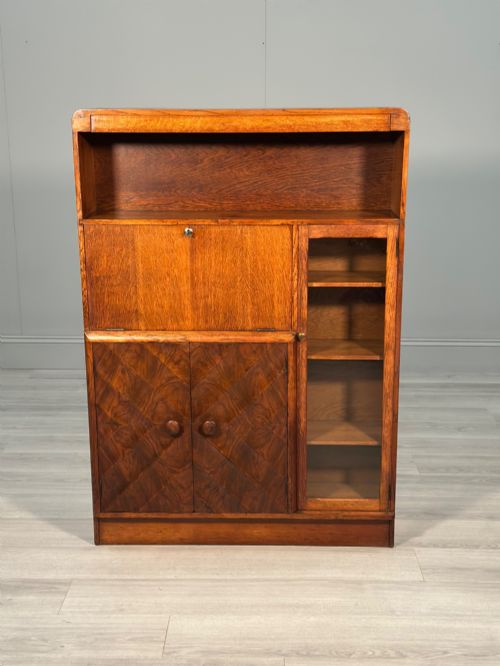
- A combination piece featuring a slanted writing flap that folds down above shelves or enclosed storage compartments.
- Cotswold School
- An arts and crafts inspired movement focusing on honest construction, traditional joinery, and visible hand-craftsmanship in wood.
1930s Wooden Desk: Frequently Asked Questions
What defines a 1930s wooden desk?
These desks combine interwar practicality with stylistic influences like Art Deco and the Cotswold School. They rely on sturdy timbers such as oak and walnut to create functional workspaces.
Most examples feature pedestals or bureau flaps suited for traditional writing tasks. Their construction reflects a period transitioning from heavy Victorian forms to streamlined modernism.
How do I identify a period desk?
Look for construction details, drawer linings, and hardware characteristic of the 1930s. Oak and walnut are the dominant woods, often paired with brass or chrome handles.
Maker labels, stamps, or specific design traits linking a piece to known interwar workshops also confirm the era.
Where were these desks used originally?
They served in home studies, professional offices, and officers' quarters during the interwar years. Their practical storage reflected the administrative needs of the period.
Many designs balanced executive authority with domestic interior standards, fitting comfortably into sitting rooms or dedicated libraries.
How should I care for a vintage wooden surface?
Maintain the timber by keeping it away from direct heat sources and strong sunlight that can dry out veneers. Regular dusting with a soft cloth preserves the polish.
Apply appropriate wax sparingly to nourish older wood surfaces without building up heavy residues.