






1930s Tea Cart
A 1930s tea cart brings practical elegance to home entertaining through period craftsmanship and smart design.
1930s Tea Cart
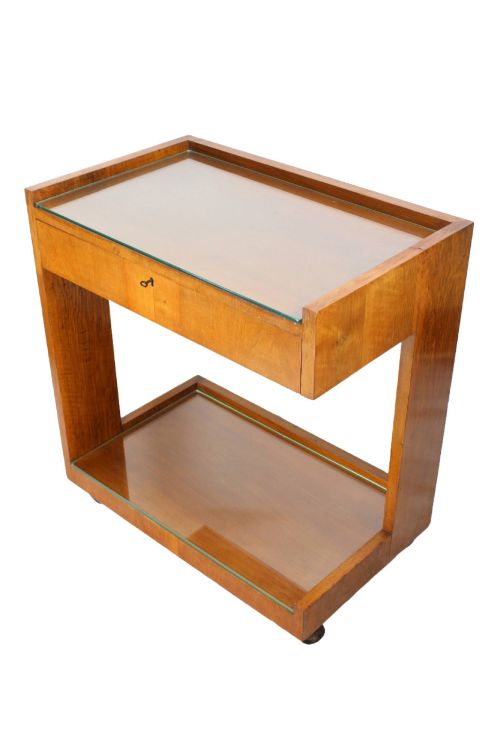
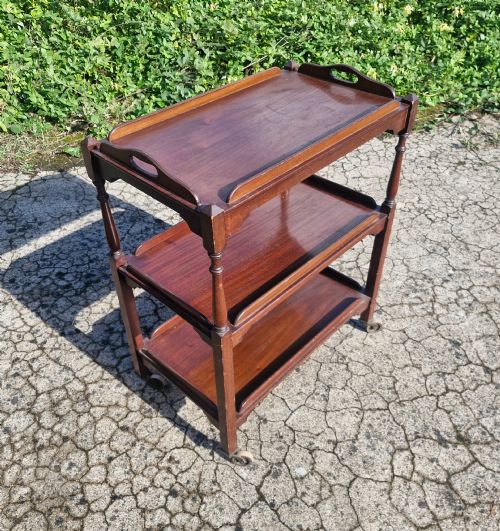
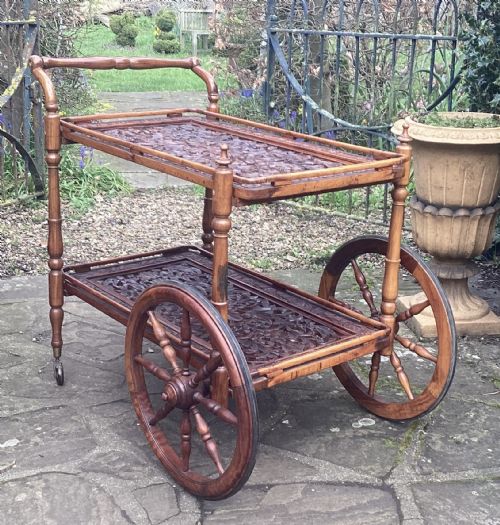
A 1930s tea cart functions primarily as a mobile serving station, drinks trolley, or bar cart designed for effortless hospitality. These pieces reflect the dominant taste of the period, leaning heavily into Art Deco design alongside occasional Anglo-Indian interpretations.
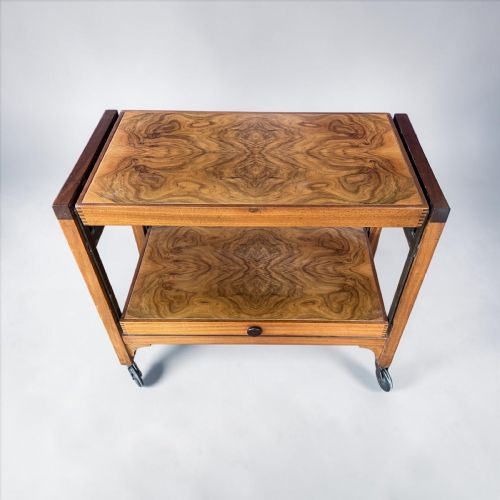
Most examples found here date from the 1930s, accompanied by related pieces spanning from the 1920s to 1940. Forms range from simple two-tier wooden serving trolleys to elaborate circular cocktail bars and metamorphic designs.
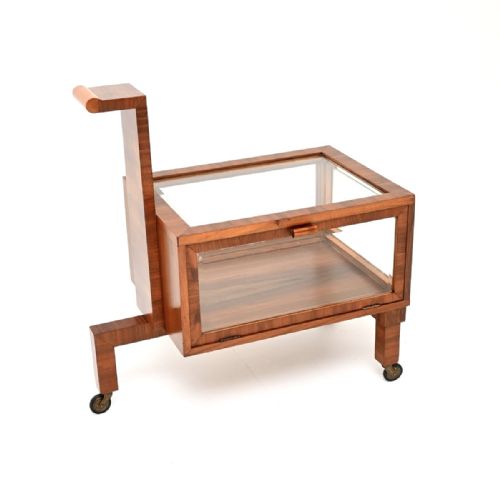
Buyers will encounter various configurations including glass-topped trays, display cases, and modernist hostess trolleys. English and French origins predominate among these practical yet stylish household items.
How they were made
Makers utilised a combination of traditional cabinet woods and modern industrial metals to build these pieces. Walnut, mahogany, burr amboyna, and carved hardwoods provide the warm structural foundations for wooden models.
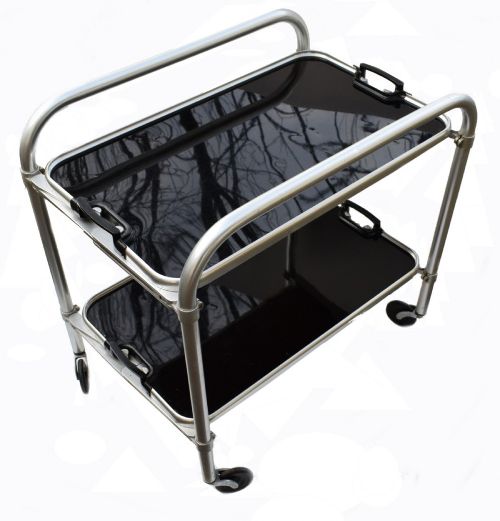
Chrome, brass, steel, and aluminium introduced bright metallic frames and accents that define the modernist aesthetic. Glass, mirror, and silver plating complete the surfaces, creating reflective tiers suited for holding glassware and bottles.
1930s Tea Cart Retail Price Guide 2026
Typical asking prices for 1930s tea cart among the pieces listed under this phrase on Sellingantiques today, from the lower quarter to the upper quarter. They describe what is for sale here now, not the wider market.
Current listings feature diverse materials including walnut, burr amboyna, chrome, brass, and mirror glass across Art Deco designs.
What varies in quality
The distinction between standard and superior pieces rests on the choice of materials and the complexity of the mechanism. Finely figured walnut veneers and burr amboyna demand greater skill in application than plain timbers.
Metamorphic designs and clever engineering set certain serving trolleys apart from basic two-tier utility carts. The integration of high-grade chrome plating, mirrored glass, and branded elements like silver plating elevates a piece within the range.
Asprey London
The 1930s Tea Cart Glossary
- Art Deco
- A design style characterised by sleek geometric shapes, streamlined forms, and lavish materials that dominated the interwar period. It influences the silhouette and decorative motifs of many serving carts.
- Metamorphic
- A descriptive term for furniture that transforms from one form or shape into another for alternative utility. These clever designs expand surface area or alter height during service.
- Burr Amboyna
- A highly prized wood veneer showing intricate, swirling grain patterns caused by growths on the amboyna tree. It provides a rich, decorative surface texture on luxury cocktail carts.
- Two Tier
- A construction featuring two distinct horizontal shelves or surfaces stacked vertically to maximise storage and transport capacity. This layout is standard for most beverage and tea trolleys.
- Hostess Trolley
- A specialised mobile cart equipped specifically for serving food, drinks, and afternoon tea to guests. They often incorporate gallery rails to secure items during movement.
1930s Tea Cart: Frequently Asked Questions
What is a 1930s tea cart used for?
These carts served originally for wheeling afternoon tea, spirits, and glassware into sitting rooms or parlours for guests.
Today, owners utilise them primarily as home cocktail bars or mobile display surfaces for vintage glassware and bottles.
How do I identify an Art Deco trolley?
Look for streamlined geometric shapes, circular tiers, and contrasting combinations of polished wood and shiny metal. Chrome frames, black glass, and symmetrical lines are typical hallmarks of the style.
French and English examples often display distinct aerodynamic curves or crisp architectural silhouettes characteristic of the 1930s.
Where were these tea carts made?
The pieces originated largely from English and French workshops during the interwar decades. International influences also appear through imported materials and specific regional carving traditions.
European urban centres drove the primary manufacturing trends of modernist metal and luxury wood furniture.
How do I care for wood and chrome surfaces?
Maintain wooden veneers like walnut and mahogany by dusting regularly and applying appropriate furniture wax sparingly. Avoid placing hot items or wet glasses directly on unprotected wood.
Clean chrome and metal frames with a soft dry cloth to prevent tarnishing, keeping abrasive cleaners away from mirrored glass.