

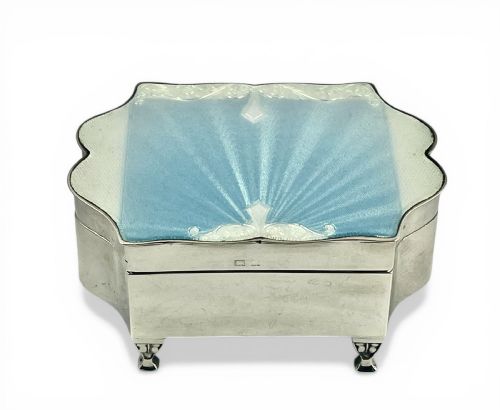


1930s Silver Enamel Box
A 1930s silver enamel box brings geometric glamour to the dressing table through coloured vitreous glass fused to solid metal.
1930s Silver Enamel Box
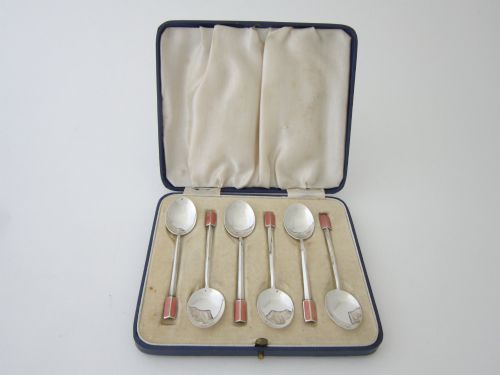
A 1930s silver enamel box encompasses powder compacts, cigarette cases, dressing table jars, and small jewellery boxes made during the Art Deco period. These functional vanity pieces combine sterling silver or metal with vibrant coloured enamel, often shaped in clean geometric lines typical of the era.
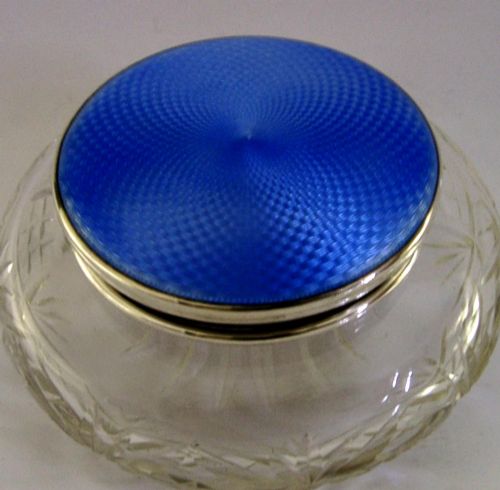
The most common examples encountered on this page are lidded jars and compacts featuring guilloche enamel, frequently bearing hallmarks from Birmingham makers dating through the 1930s. Alongside dressing table accessories, pieces extend to small boxes housing suede or velvet linings for precious items.
How they were made
Craftsmen built these items using sterling silver, silver gilt, chrome, or base metal as a structural base for the decorative surface. Glass was pulverized into vitreous enamel and fused to the metal through high-temperature firing.
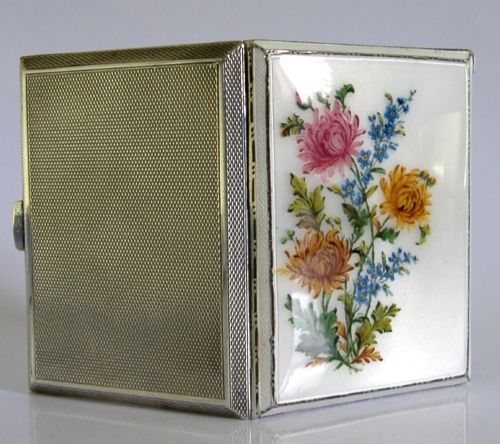
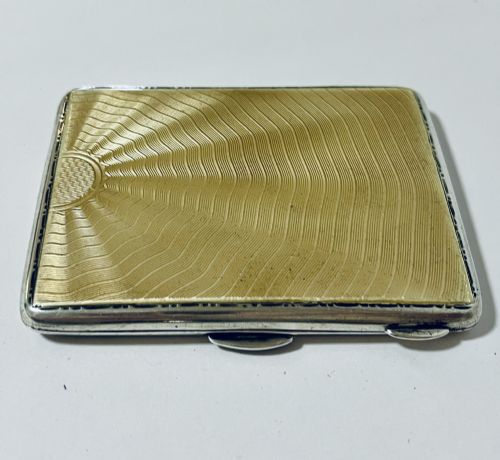
Many surfaces feature guilloche work, where mechanical lathes cut precise geometric patterns into the metal beneath translucent enamel to create shimmering ray or wave effects. Hand-painted floral motifs also appear on certain cigarette cases and boxes.
The listings show pieces spanning from 1900 to 1940, with the vast majority concentrated in the Art Deco style of the 1930s.
What varies in quality
Quality rests primarily on the condition and complexity of the enamel work, distinguishing solid sterling silver mounts from simple chrome or metal frameworks. Intricate guilloche engraving and flawless vitreous fusing elevate a piece above simpler painted surfaces.
The integration of original interior linings such as velvet or suede, alongside secure hinges and clear city hallmarks, separates standard utility items from finer collector examples.
Richard Hudnut·Goldsmith's and Silversmith's Co.·Evans
The 1930s Silver Enamel Box Glossary
- Guilloche enamel
- A decorative technique where an intricate geometric pattern is mechanically engraved into metal before a translucent enamel layer is applied. This allows light to reflect through the coloured glass.
- Vitreous enamel
- Glass powder melted and fused to a metal surface at high temperatures. It creates a durable, glossy coloured coating.
- Sterling silver
- An alloy comprising silver and other metals, standardly containing high purity. It forms the structural body for many finer boxes and cases.
- Art Deco
- The dominant design style of the 1920s and 1930s characterised by sleek geometric shapes, stylised motifs, and streamlined forms.
- Dressing table accessories
- Small functional items designed for personal grooming and vanity display. These include powder jars, trinket boxes, and hairbrushes.
1930s Silver Enamel Box: Frequently Asked Questions
How do I clean my silver enamel box?
Use a soft, dry cloth to gently wipe dust from the enamel surface to prevent scratching the vitreous glass. Avoid harsh chemical dips, as these can damage both the enamel and the underlying metal mounts.
Keep silver polish strictly away from the enamel panels, applying it only to plain silver areas with a cotton bud. Store the box in a dry environment away from direct sunlight to preserve the vibrant colour of the enamel.
What were these boxes originally used for?
These decorative containers served primarily for personal grooming and vanity purposes in the boudoir or pocket. Ladies stored loose powder, cigarettes, or small trinkets inside velvet and suede lined compartments.
Many functioned as dressing table jars for creams and pins, reflecting the elegant social habits of the period. Their dual role as practical accessories and decorative display items made them popular gifts.
How do I identify a 1930s piece?
Examine the piece for characteristic Art Deco design elements such as symmetrical geometric patterns and sunburst guilloche engraving. Birmingham hallmarks and date letters from the 1930s provide precise chronological markers on British silver mounts.
Stylistic cues like chrome frames, mesh attachments, and specific maker signatures help date items to the interwar decades. Comparing the construction techniques to documented pieces confirms the manufacturing era.
Can I use a powder compact today?
Most antique compacts remain structurally sound enough for daily carrying, though original sifting nets and mirrors may show age. Collectors generally prefer to preserve them as display objects rather than using them with modern cosmetics.
Cleaning out residual powder prevents modern formulas from reacting with historical metal and lining materials. Handle hinges and latches with care to maintain their working order.