
1930s Platinum Diamond Jewellery
1930s platinum diamond jewellery delivers the geometric discipline and bright white metal of the Art Deco period.
1930s Platinum Diamond Jewellery
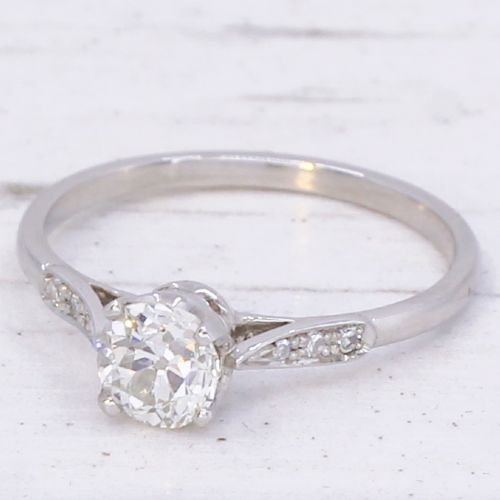
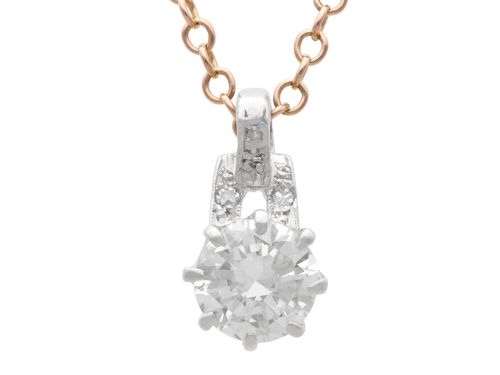
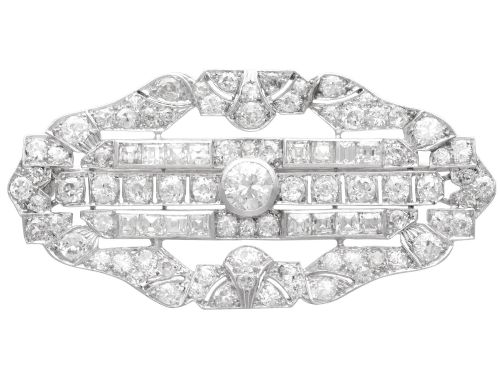
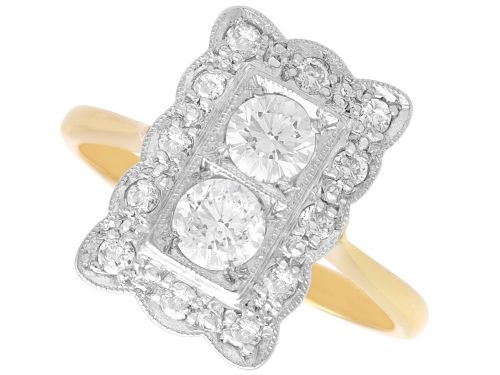
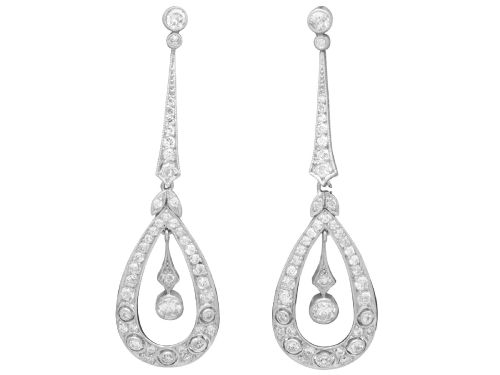
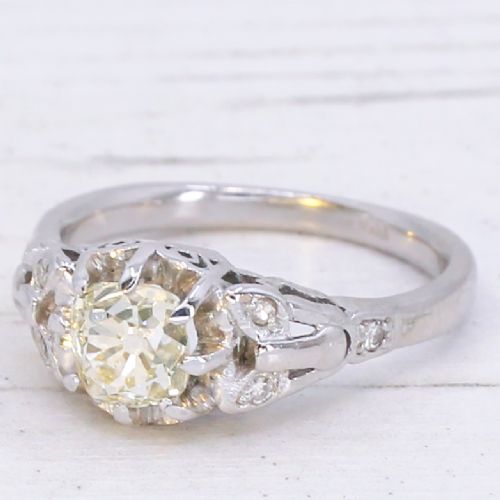
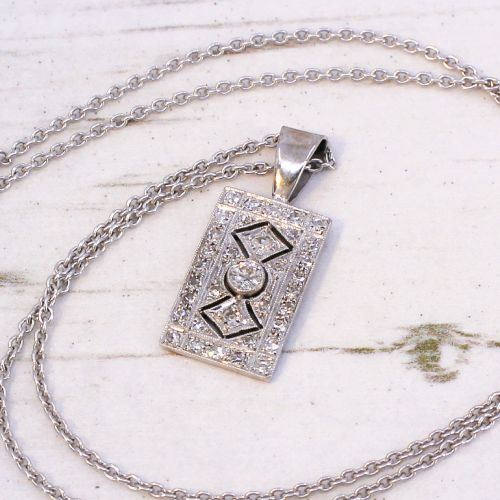
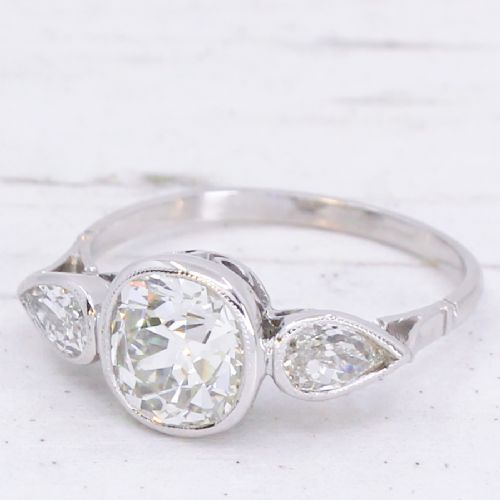
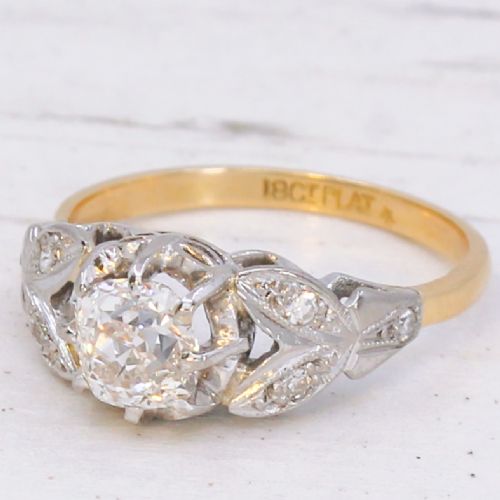
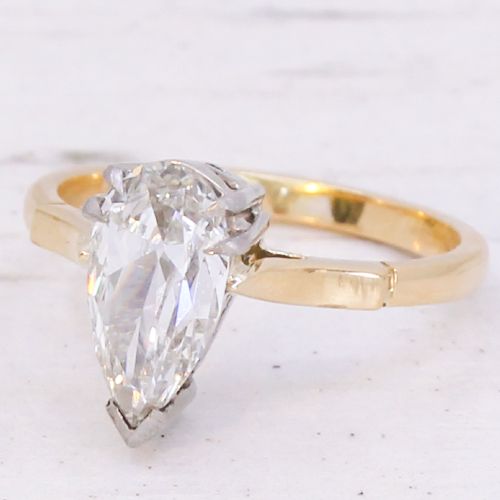
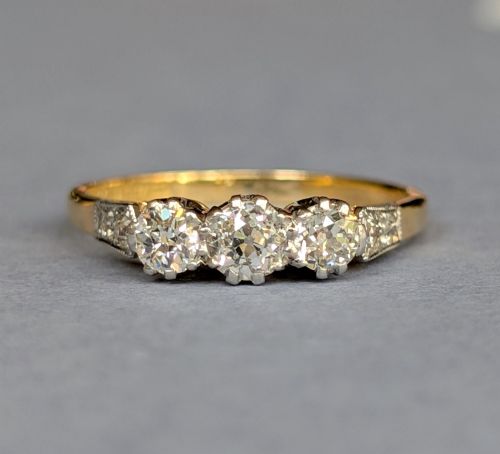
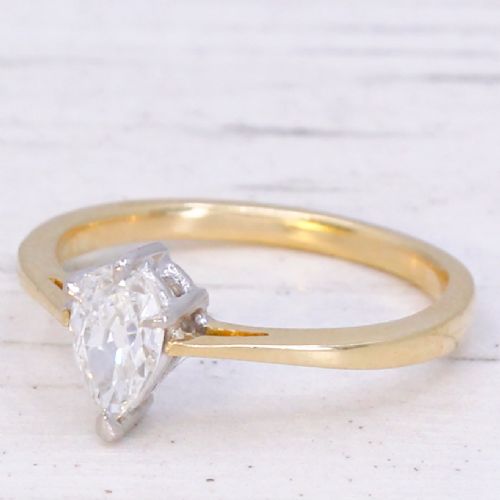
When searching for 1930s platinum diamond jewellery, buyers encounter rings, drop earrings, brooches, pendants, and cocktail watches built in the Art Deco style. Engagement rings and dress rings dominate the selection, often pairing old cut diamonds with platinum settings.
The objects stem from the interwar period, specifically around 1930 and 1935, with occasional overlap into the 1920s and 1940s. Platinum settings frequently combine with 18ct gold, white gold, or yellow gold to form multi-stone arrangements.
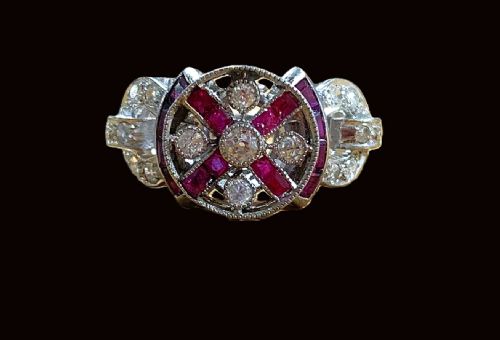
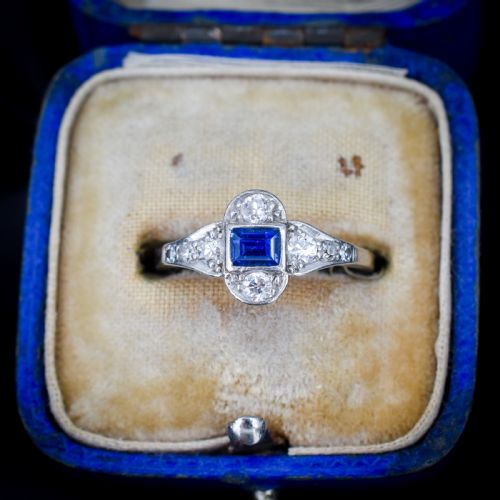
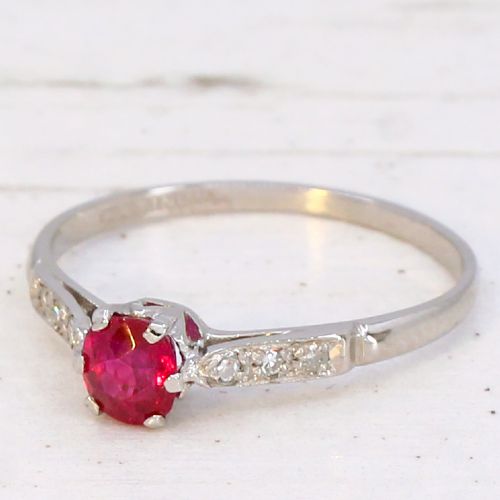
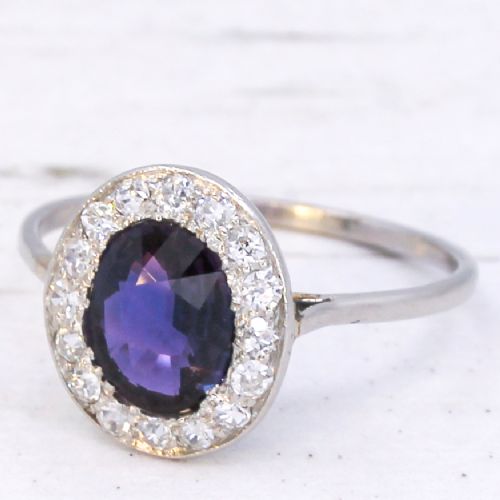
Alongside plain diamond pieces, items regularly incorporate blue sapphires, rubies, emeralds, blue zircons, and moonstones. These coloured gemstones accent central diamond solitaires, three-stone configurations, and full eternity bands.
Materials and construction methods
Makers utilised platinum for its strength, allowing jewellers to create delicate, secure settings that held diamonds with minimal metal obstruction. This dense metal supported intricate geometric piercing and channel work characteristic of the era.
Diamonds were predominantly shaped as old European cuts, old cushion cuts, and old pear cuts, yielding softer light dispersion than modern brilliant cuts. Stones were set alongside 18ct gold and white gold mounts in rings, brooches, and drop earrings.
Timekeeping met high fashion in the 1930s through diamond-encrusted cocktail watches driven by Swiss jewelled lever movements.
Judging quality and craftsmanship
Quality rests upon the precision of the metalwork and the integration of the stones within the platinum or gold framework. Superior examples display crisp geometric lines, even stone matching, and secure flush settings that endure through daily wear.
The proportion and cut of the central diamonds define the visual impact of the piece. Well-balanced multi-stone arrangements and clean piercing separate ordinary production from finer examples.
The 1930s Platinum Diamond Jewellery Glossary
- Art Deco
- A design style characterised by sleek geometric shapes, stylised motifs, and linear symmetry. It dominated decorative arts and jewellery design through the 1920s and 1930s.
- Old European Cut
- A round diamond cut popular before the modern brilliant cut, featuring a small table, high crown, and large open culet. This cut produces distinctive deep facets under candlelight.
- Toi et Moi
- A ring style featuring two main side-by-side gemstones representing two souls intertwined. The phrase translates from French as you and me.
- Eternity Ring
- A band featuring a continuous line of identically cut gemstones set all the way around the circumference. They symbolise unending love.
- Swiss Jewelled Lever
- A mechanical watch escapement mechanism providing high precision and reliability. Found in period cocktail watches.
1930s Platinum Diamond Jewellery: Frequently Asked Questions
What defines 1930s platinum diamond jewellery?
These pieces combine durable platinum metal with old cut diamonds, following strict Art Deco geometric principles. Items range from engagement rings and dress rings to brooches and drop earrings.
Coloured gemstones such as sapphires, rubies, and emeralds frequently accent the white metal framework, creating high-contrast compositions typical of the era.
How do I wear a vintage diamond ring?
Engagement rings and solitaire rings suit daily wear when checked for secure prongs. Eternity rings and multi-stone bands sit comfortably alongside wedding bands.
Due to the softer nature of old cut diamonds and delicate platinum settings, removing rings during heavy manual tasks protects the structural integrity of the piece.
Are sapphires and rubies common in these pieces?
Coloured gemstones appear regularly alongside diamonds in rings and brooches from this decade. Unheated Burmese rubies and sapphires serve as vibrant centre stones or calibrated borders.
These coloured additions provide striking contrast against the bright white surface of platinum and white gold mounts.
How can I tell a 1930s piece from other periods?
The presence of old European and old cushion cut diamonds paired with heavy platinum settings points directly to the interwar period. The geometric piercing and linear motifs separate these items from Victorian or later retro designs.
Combinations of platinum with 18ct yellow or white gold further anchor pieces in the timeline around 1930.