



1930s Open Bookcase
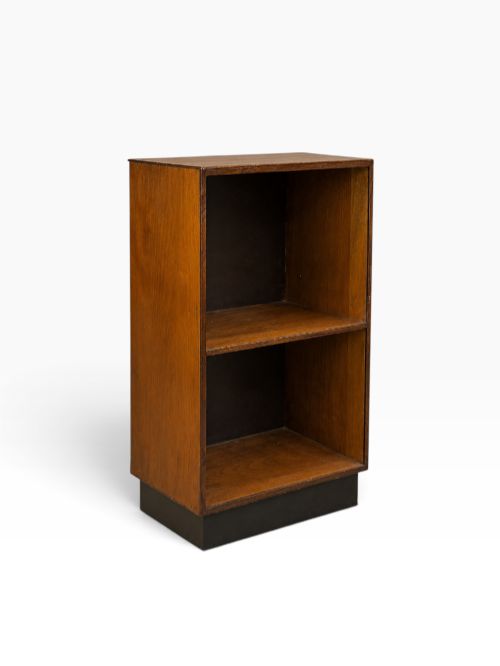
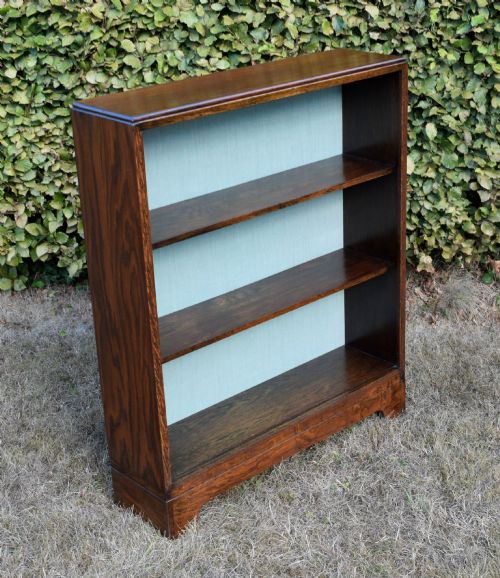
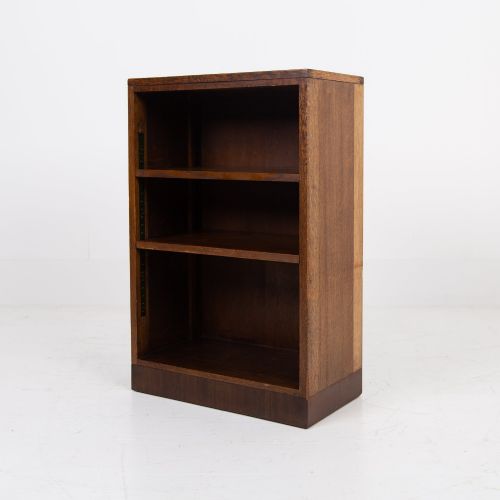
A 1930s open bookcase brings architectural clean lines and warm timber tones to a room, offering immediate display space for a growing library.
1930s Open Bookcase
The 1930s open bookcase brings together straightforward utilitarian storage and the decorative ambitions of the inter-war period, appearing most frequently in strong geometric forms. Pieces answering to this description on this page span the 1930 and 1940 periods, showing how cabinet makers adapted traditional storage for modern interiors.
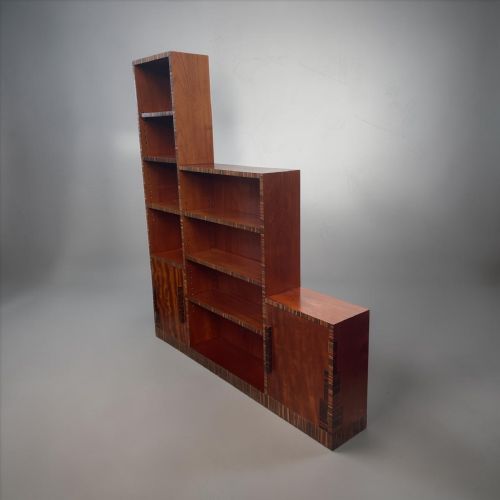
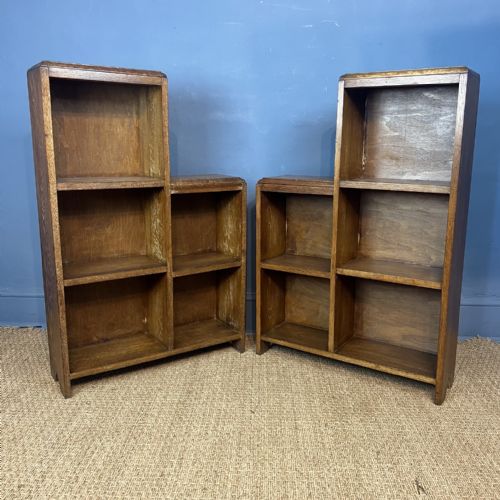
Buyers encountering this search phrase will find that the designs divide broadly between streamlined modernism and historical revivalism. Art Deco examples dominate the selection, often featuring stepped profiles and symmetrical arrangements, alongside heavier Tudor Revival pieces built with vernacular charm.
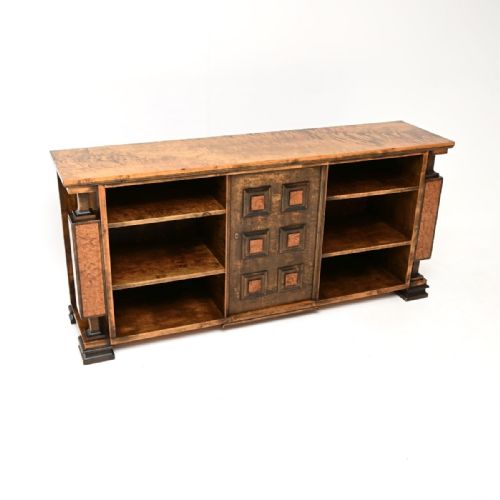
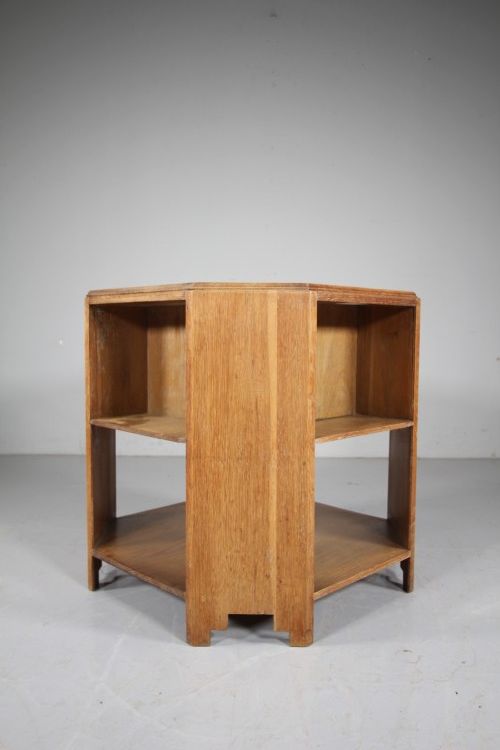
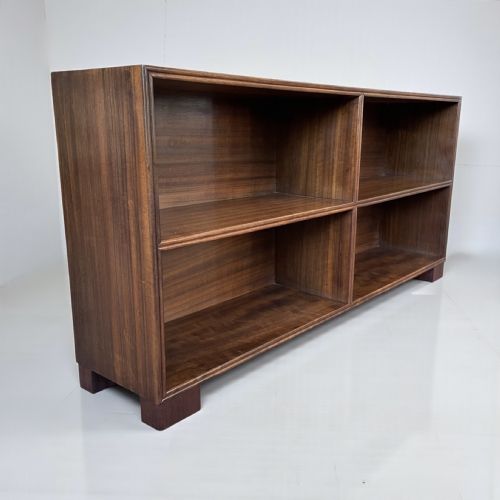
Most items take the form of low or standard-height upright shelves, though variations include cabinet combinations and occasional bookcase tables. Timber selection dictates the character of each piece, ranging from pale Scandinavian birch to richly figured walnut and sturdy English oak.
What varies in quality
The distinction between standard commercial output and superior craftsmanship rests on timber selection and grain alignment. Master cabinet makers deployed book-matched veneers and carefully chosen solid framing to create visual harmony across the front elevation.
Proportion and execution of detail mark out the better workshops from mass production. Well-considered stepped profiles, tight joinery, and thoughtful integration of elements like leather tops or integrated cupboards elevate certain pieces well above utilitarian storage.
1930s Open Bookcase Retail Price Guide 2026
Typical asking prices for 1930s open bookcase among the pieces listed under this phrase on Sellingantiques today, from the lower quarter to the upper quarter. They describe what is for sale here now, not the wider market.
Listings demonstrate a strong division between streamlined Art Deco walnut or birch designs and heavy oak Tudor Revival pieces.
Heals·Betty Joel·Maurice Adams
The 1930s Open Bookcase Glossary
- Art Deco
- A design style spanning the 1920s and 1930s characterised by sleek geometric shapes, streamlined forms, and modern industrial materials. It replaced heavy Victorian ornamentation with clean lines.
- Veneer
- A thin slice of figured wood applied over a secondary timber base to provide a decorative surface without excessive weight or cost. It allows cabinet makers to display complex grain patterns.
- Stepped
- A silhouette featuring cascading horizontal levels that rise in increments, commonly seen in modernist bookcase architecture. This profile creates a distinct geometric rhythm.
- Tudor Revival
- An architectural and furniture style looking back to sixteenth-century vernacular building traditions. Pieces often feature dark oak, panelled details, and sturdy proportions.
- Burr Wood
- A growth deformity on a tree that produces intricate, swirling grain patterns when sliced. Cabinet makers prized these sections for high-end statement panels.
1930s Open Bookcase: Frequently Asked Questions
What defines a 1930s open bookcase?
These pieces combine inter-war design movements with accessible shelving, usually taking the form of geometric Art Deco constructions or robust oak revival items. They provide direct shelf access without doors.
Most examples lean heavily into modernist principles of utility and form, though some retain historical nods to earlier centuries through timber choice and mouldings.
Are these bookcases suitable for modern rooms?
Their compact proportions and clean lines make them highly adaptable for contemporary living spaces and home offices. The open shelving accommodates everyday volumes easily.
Because many period examples sit lower than traditional library shelving, they also provide useful surface space on top for lamps or decorative objects.
How do I spot an Art Deco bookcase?
Art Deco pieces typically feature stepped silhouettes, symmetrical compartments, and contrasting grain patterns achieved through decorative wood veneers. They avoid heavy historical carving in favour of geometric flow.
Designers often utilised pale timbers like satin birch alongside darker walnut to emphasise the crisp angles of the cabinetry.
What is the difference between oak and veneered pieces?
Solid oak furniture uses heavy timber throughout the construction, offering durability and a traditional texture. It forms the basis of both sturdy utilitarian items and heavier Tudor Revival designs.
Veneered pieces apply thin slices of decorative hardwoods such as walnut, ash, or burr elm over a stable core. This technique allows makers to display striking symmetrical grain patterns across large flat surfaces.