




1930s Oak Storage Chest
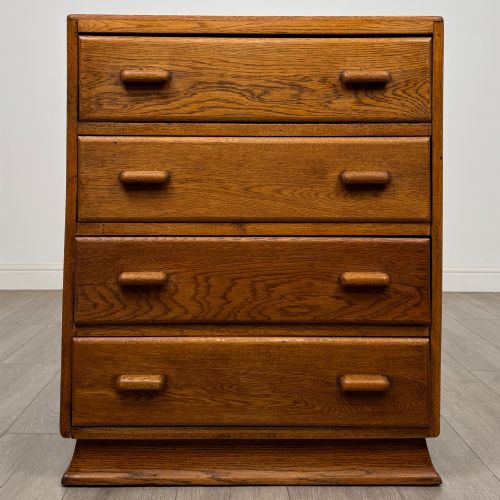
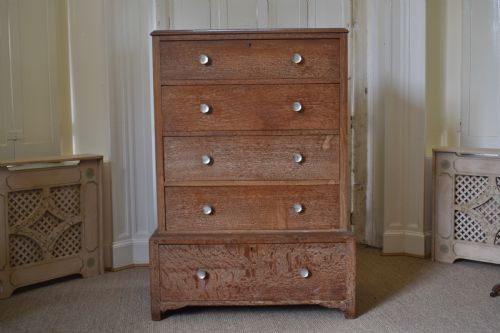
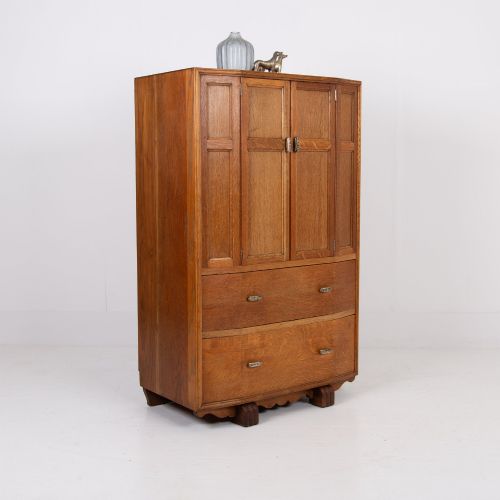
These pieces of 1930s oak storage chest provide sturdy utility and clean period character for a room.
1930s Oak Storage Chest
When you search for a 1930s oak storage chest, you are looking at practical furniture produced during a period of varied design movements, including Art Deco, Arts and Crafts, and early modernist styles. The selections range from tallboys and chests of drawers to specialised cabinets like watchmaker's drawers and cutlery canteens.
You are most likely to meet straightforward oak chests of drawers and tall chests dated around nineteen thirty, alongside limed oak variations influenced by workshops like Heal's or the Cotswold school. These items reflect the domestic and commercial storage needs of the interwar era.
The forms span conventional multi-drawer chests, compact desktop units, and carved Anglo-Indian pieces, showing how versatile oak furniture was during this decade. Each piece brings functional storage combined with the distinct craftsmanship of the early twentieth century.
How they were made
Makers utilised solid oak and limed oak as the primary woods, often pairing them with metal, brass, and bakelite handles or fittings to suit contemporary tastes. Surfaces were sometimes limed to lighten the timber grain, following the aesthetic popularised by avant-garde cabinet makers of the time.
Construction methods combined traditional joinery with the cleaner lines demanded by Art Deco and modernist design. Details such as baize linings in cutlery canteens and hand-carved panels on Anglo-Indian chests show the variety of interior and exterior finish work applied to these storage pieces.
1930s Oak Storage Chest Retail Price Guide 2026
Typical asking prices for 1930s oak storage chest among the pieces listed under this phrase on Sellingantiques today, from the lower quarter to the upper quarter. They describe what is for sale here now, not the wider market.
Object types on this page include tallboys, chests of drawers, desktop cabinets, and specialised cutlery canteens.
What varies in quality
The standard of a piece is defined by the ambition of its design and the treatment of the oak, ranging from commercial interwar production to individual items linked to the Cotswold school or specific makers like Gomme. Refined finishes like limed oak surfaces and thoughtful hardware choices separate standard utilitarian items from more distinctive examples.
Integrity of construction and the preservation of original metal fittings, brass details, or bakelite elements distinguish better surviving pieces. The nuance lies in whether the proportions and stylistic details, such as Art Deco geometric lines or traditional carving, remain crisp and uncompromised.
Gomme
The 1930s Oak Storage Chest Glossary
- Limed oak
- Timber treated with a white pigment or lime to highlight the open grain, a finish popular in interwar modern design. This treatment lightens the appearance of the wood while accentuating its natural texture.
- Tallboy
- A tall chest of drawers, often comprising a chest placed upon a lower section or built as a single high unit. This form maximises vertical storage space in smaller rooms.
- Bakelite
- An early synthetic plastic frequently utilised for handles, knobs, and escutcheons during the period. Its durability and dark, glossy finish became characteristic of nineteen-thirties manufacturing.
- Canteen
- A fitted box or cabinet designed specifically to hold and protect a set of cutlery. These interiors were often lined with baize to prevent silver plate from scratching.
- Cotswold school
- A design and craft movement associated with handmade furniture and honest construction using local woods like oak. Pieces from this tradition often display visible joinery and a pared-back aesthetic.
1930s Oak Storage Chest: Frequently Asked Questions
What defines a 1930s oak storage chest?
These pieces encompass chests of drawers, tallboys, and cabinets built primarily from oak during the interwar period. They reflect design influences ranging from traditional styles to Art Deco and modernist movements.
Such items were created for domestic or specialised storage, offering durable utility alongside the distinct aesthetic characteristics of the early twentieth century.
How do I care for limed oak furniture?
Limed oak requires gentle dusting with a soft, dry cloth to protect the pigmented finish in the grain. Avoid excessive moisture and harsh chemical cleaners that can strip the limed effect from the timber.
Keeping the furniture away from direct heat sources helps prevent the oak from drying out or splitting over time.
Where were these chests used originally?
Storage chests and drawers served various rooms in the home, from bedrooms to studies and living spaces, for organising clothing, documents, or household items. Specialised pieces like watchmaker's cabinets and cutlery canteens fulfilled specific commercial or domestic storage functions.
Their compact or modular forms made them adaptable to the architectural spaces of the interwar era.