

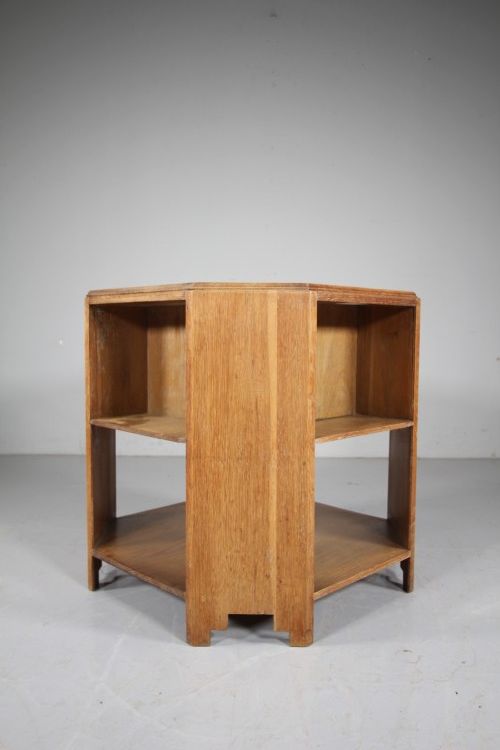


1930s Oak Stand
A 1930s oak stand brings sturdy timber and period character to a room, offering practical utility through diverse forms from bookcases to standard lamps.
1930s Oak Stand
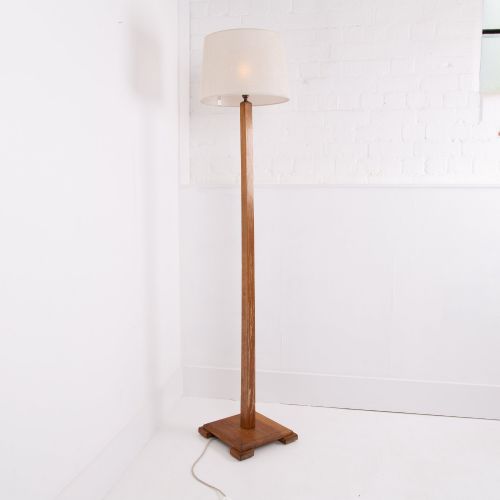
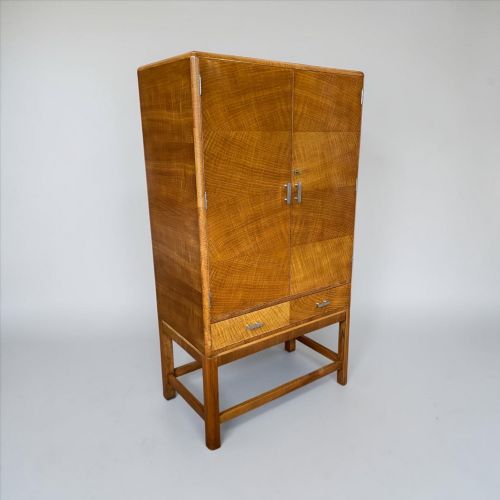
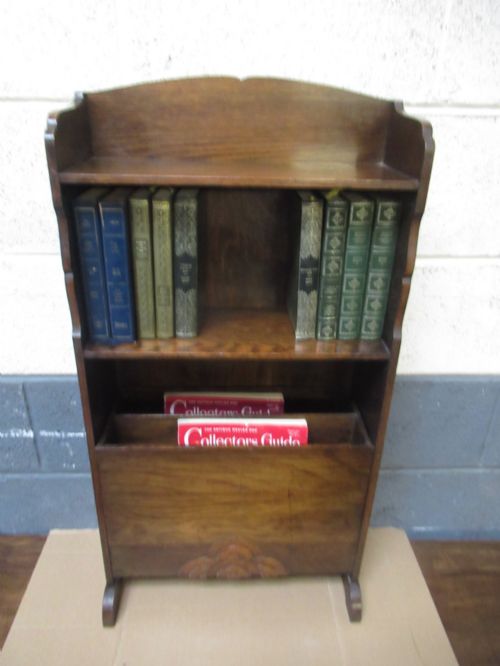
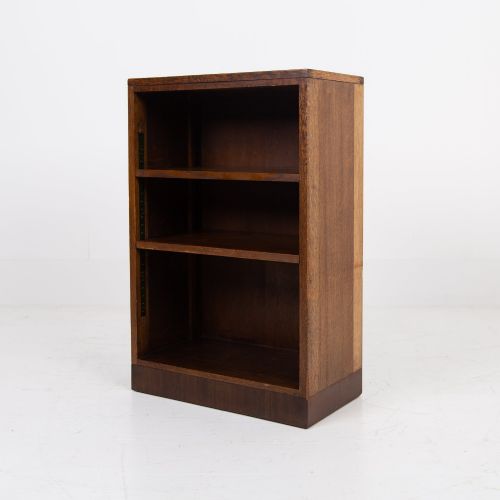
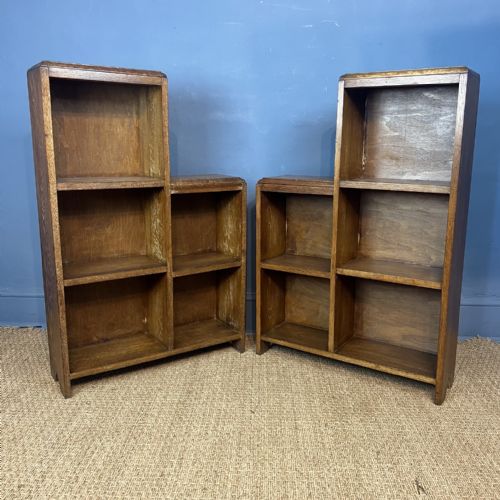
Buyers will most frequently encounter standard lamps and open bookcases within this selection. Many pieces merge solid oak construction with distinct Art Deco styling or traditional revival motifs such as Jacobean and Tudor revivals.
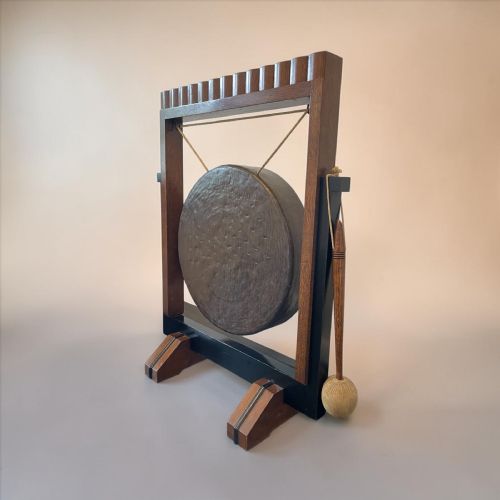
The objects range from streamlined commercial designs to bespoke workshop creations. They serve functional roles in contemporary homes while retaining the robust materiality characteristic of early twentieth-century British furniture making.
What varies in quality
Quality differences lie in the selection of timber and the ambition of the design. Standard commercial production contrasts with marked or attributed workshop pieces, where superior grain matching and refined joinery elevate the work.
The integrity of decorative details, from metalwork fittings to carved mouldings, dictates the distinction between standard utilitarian items and more iconic decorative statements of the period.
1930s Oak Stand Retail Price Guide 2026
Typical asking prices for 1930s oak stand among the pieces listed under this phrase on Sellingantiques today, from the lower quarter to the upper quarter. They describe what is for sale here now, not the wider market.
Listings feature oak combined with materials such as brass, bronze, leather, fabric, and fringe.
Stanley Webb Davies·Heals·Betty Joel
The 1930s Oak Stand Glossary
- Art Deco
- A design style characterised by sleek geometric lines, stylised motifs, and modern materials popular during the interwar period. It appears frequently across standard lamps and bookcases in this selection.
- Barley twist
- A type of woodturning shaped like a spiral rope, commonly found on the legs of occasional tables and stands from this era. This technique draws on earlier seventeenth-century revival styles.
- Tantalus
- A locked wooden frame holding decanters, allowing the contents to be seen but not accessed without a key. In oak versions from the period, it often sits upon a matching base or stand.
- Standard lamp
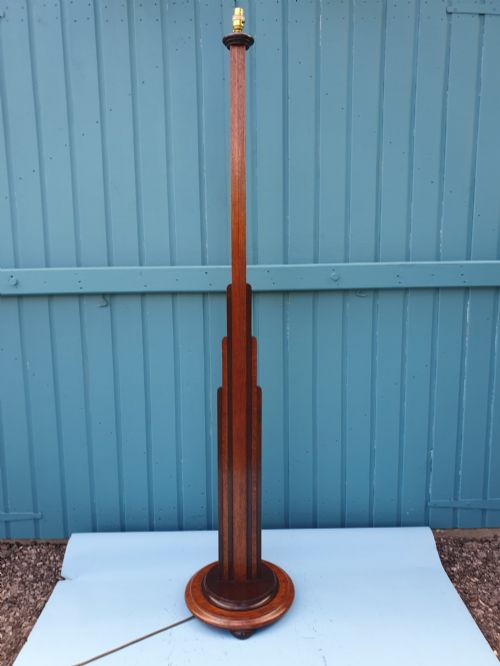
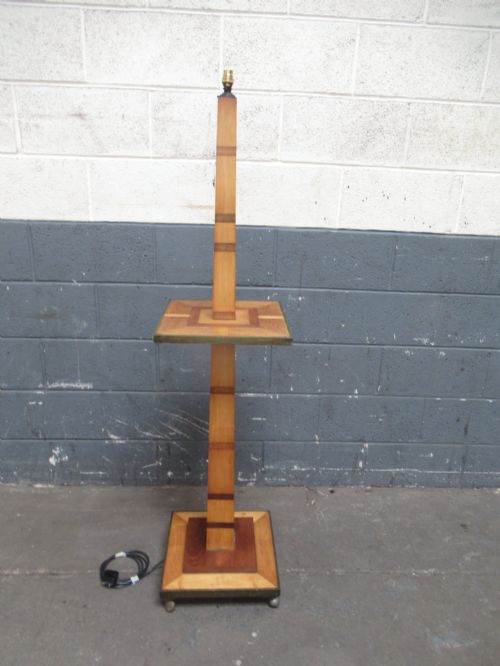
- A tall floor-standing lighting fixture designed to illuminate a room from a fixed position. Examples from this decade often combine oak shafts with brass fittings or fabric shades.
1930s Oak Stand: Frequently Asked Questions
What defines a 1930s oak stand?
These pieces include floor-standing lamps, occasional tables, bookcases, and cabinets produced during the interwar decades. They combine solid oak timber with either geometric Art Deco designs or traditional revival styles.
Buyers select them for their robust construction and distinct period aesthetic, which suits both modern and traditional interiors.
How do I identify Art Deco pieces?
Art Deco items display streamlined forms, geometric mouldings, and contrasting ebonised or golden oak finishes. Standard lamps and screens often feature these stepped or skyscraper silhouettes.
Such details separate them visually from the heavier Jacobean and Tudor revival furniture of the same decade.
Where were these stands used?
Standard lamps and occasional tables served living rooms and studies to provide task lighting and display surfaces. Bookcases and cabinets organised domestic libraries and storage.
Their sturdy oak frames allowed them to withstand daily household use while anchoring the room's decorative scheme.
How do I care for oak furniture?
Maintain the timber by keeping pieces away from direct heat sources and sudden humidity changes. Regular dusting with a soft cloth preserves the polished surface.
Avoid harsh chemical cleaners to protect the natural grain and any applied ebonised or brass details.