
1930s Jewellery
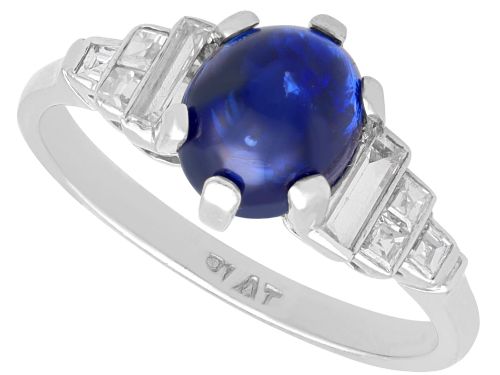
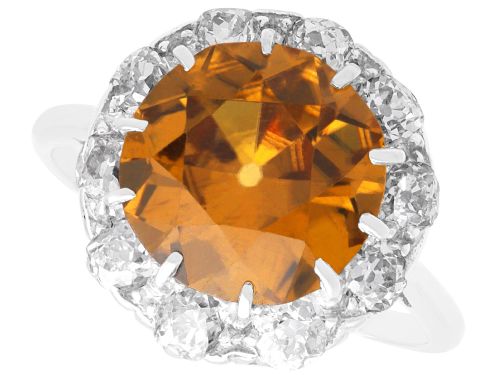
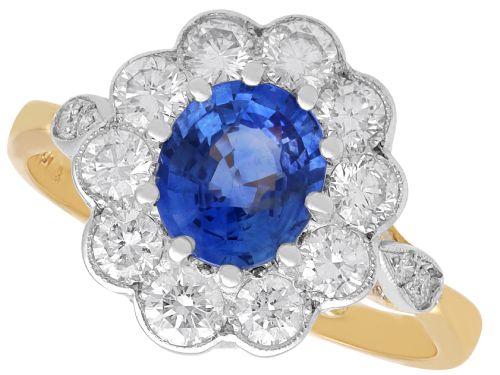
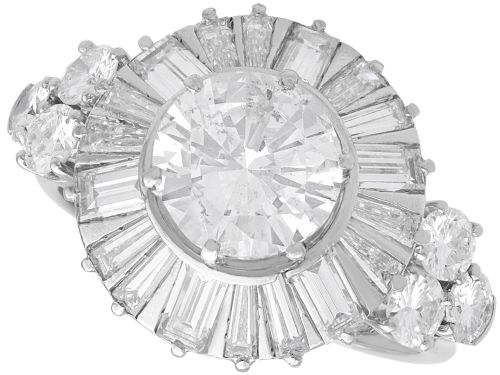
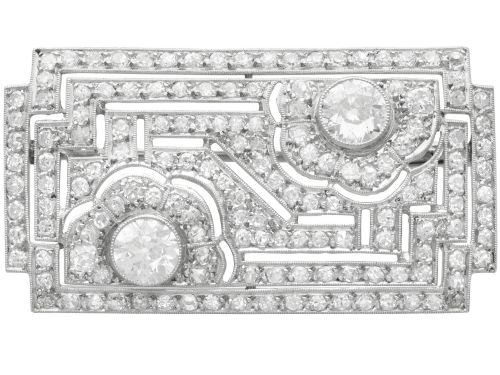
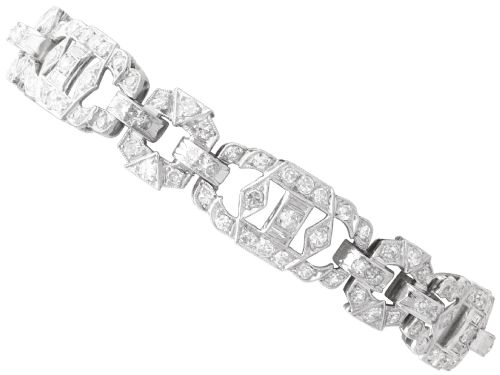
1930s jewellery brings together geometric platinum mounts, vibrant coloured gemstones and intricate silver enamel work.
1930s Jewellery
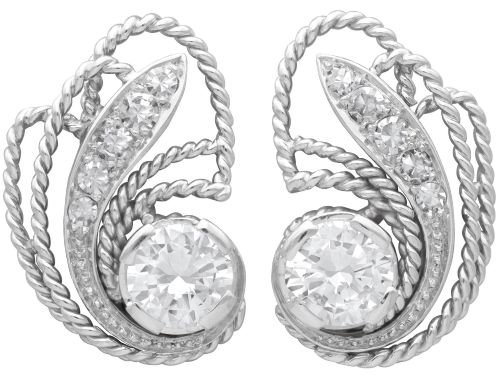
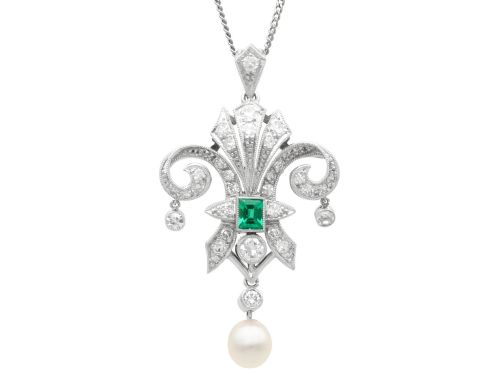
When searching for 1930s jewellery, buyers encounter a distinct mix of Art Deco design and transitional period pieces. The selection spans rings, bracelets, brooches, necklaces, earrings and pendants.
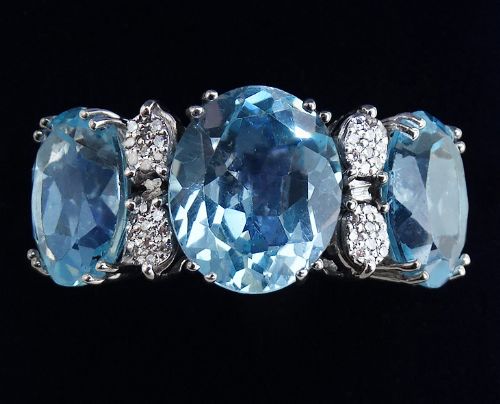
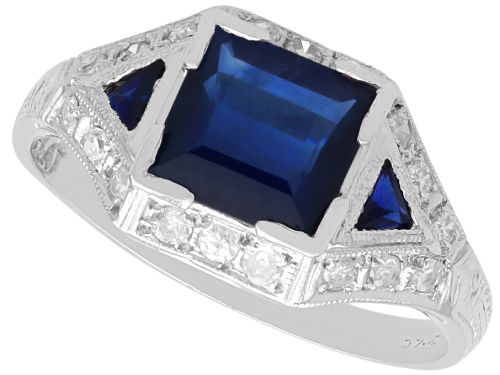
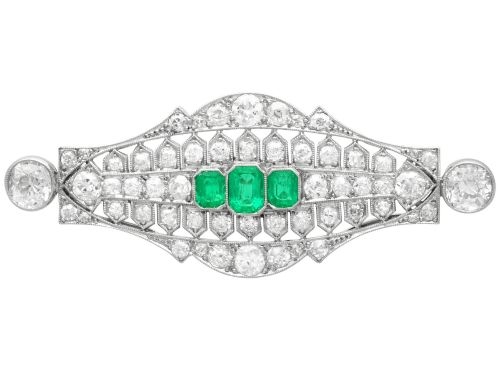
Platinum and white gold dominate the metalwork, frequently paired with diamonds, sapphires, emeralds and rubies. Silver and silver gilt appear alongside enamel and paste stones for colourful decorative effects.
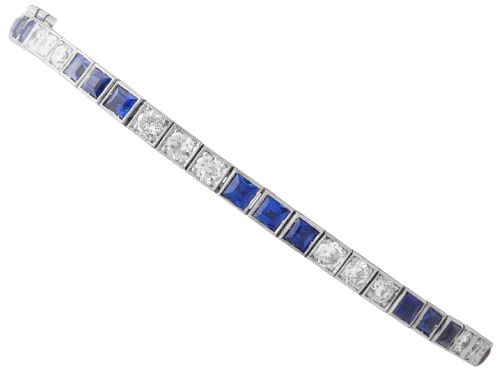
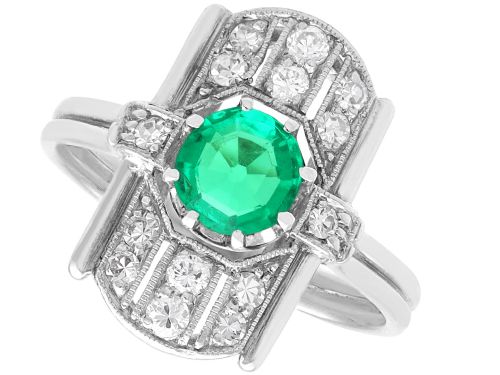
Cluster rings, line bracelets and diamond brooches represent the most common forms available. Pieces range from formal platinum dress rings set with large central stones to silver and enamel brooches.
Materials and construction
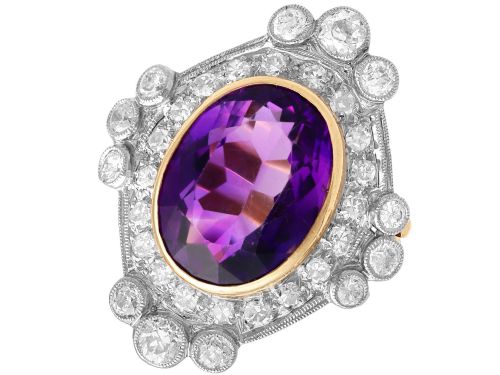
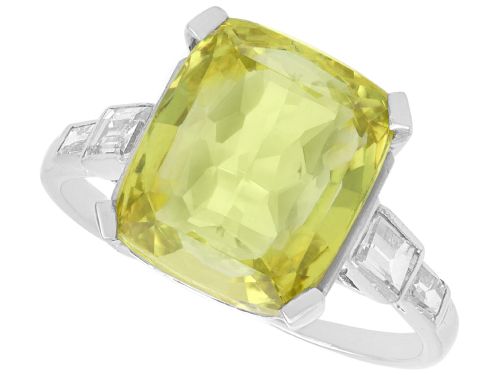
Platinum serves as the primary metal for high-value diamond mounts, allowing for fine, strong settings that secure intricate gemstone arrangements. Yellow gold and white gold provide alternative foundations for cocktail rings and pendants.
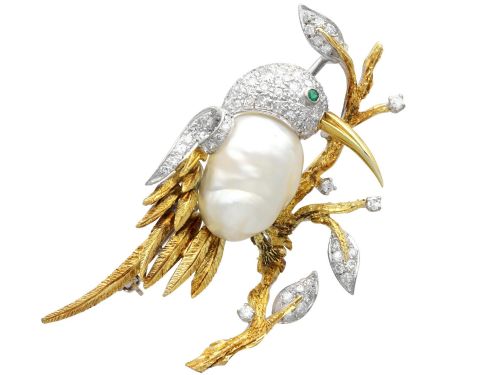
Gems such as old cut diamonds, sapphires and emeralds are set alongside carved jade and blister pearls. Enamel is applied to silver and silver gilt bases to create colourful geometric and naturalistic motifs.
Listings feature items spanning the years 1920 to 1940, encompassing both platinum diamond mounts and silver gilt enamel work.
Assessing quality and craftsmanship
Quality rests upon the precision of the metalwork and the grade of the stones employed. Platinum mounts with clean, sharp geometric lines and well-matched diamond carat weights stand at the upper end of the scale.
The choice of gemstones dictates overall value and visual impact, with certified natural emeralds, rubies and sapphires elevating a piece significantly above examples using glass paste or lesser stones.
David Andersen Norway
The 1930s Jewellery Glossary
- Art Deco
- A design style characterised by sleek geometric shapes, stylised motifs and symmetrical patterns. It heavily influences the architecture and decorative items of this period.
- Platinum
- A dense, durable white metal prized for fine jewellery settings. It holds small claw settings securely without adding excessive bulk to delicate designs.
- Paste
- Hand-cut glass used to imitate gemstones in decorative ornaments. It offers bright colour and sparkle in silver and metal settings.
- Silver gilt
- Silver coated with a thin layer of gold. This technique provides the rich appearance of gold while using a silver base metal.
- Old cut
- A diamond cutting style predecessor to the modern brilliant cut. These stones feature smaller tables and larger facets that catch candlelight effectively.
1930s Jewellery: Frequently Asked Questions
What defines 1930s jewellery style?
The aesthetic relies heavily on geometric lines, crisp symmetry and the use of white metals like platinum alongside vibrant gemstones. This look developed from the earlier Art Deco movement into slightly softer transitional forms.
Pieces frequently feature stepped settings, calibre-cut stones and stylised floral or abstract motifs. The overall impression is one of streamlined elegance and precise craftsmanship.
How do I care for platinum settings?
Platinum is a hard and durable metal that resists daily wear well, making it ideal for antique rings and bracelets. Clean the metal and stones gently using warm soapy water and a soft brush.
Avoid harsh chemicals and abrasive cloths that might dull the finish of softer gems like pearls or emeralds. Periodic checks by a professional jeweller ensure the tiny claw settings remain secure.
Are these pieces suitable for daily wear?
Many items from this era, particularly platinum and diamond engagement rings, were built to withstand regular use. However, delicate items such as enamel brooches or pearl pendants require more careful handling.
Consider removing cocktail rings and gemstone bracelets during physical tasks or sports to protect the older stone settings from impact and wear.
What is the difference between paste and genuine gemstones?
Paste refers to high-quality lead glass that is hand-cut and polished to imitate precious stones like emeralds, sapphires or diamonds. It was widely used to achieve colourful effects in decorative brooches and necklaces.
Genuine gemstones are natural minerals formed over millennia, possessing distinct inclusions, greater hardness and higher intrinsic value compared to glass paste alternatives.