





1930s Gold Wristwatch
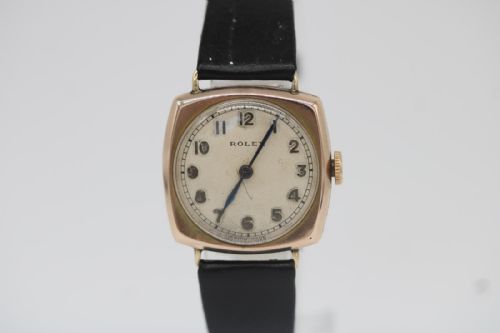
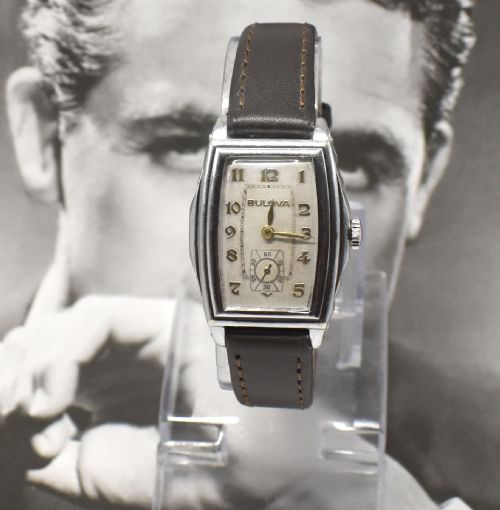
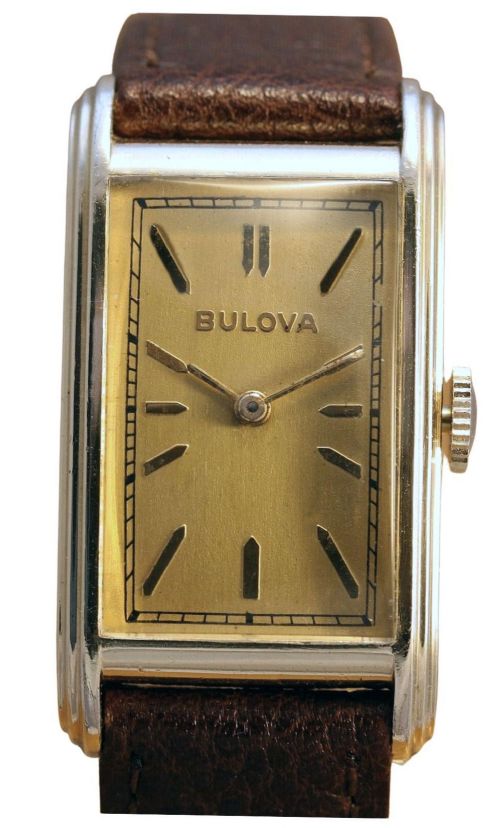
A 1930s gold wristwatch combines period horology with Art Deco design, offering collectors a wearable piece of history.
1930s Gold Wristwatch
When you search for a 1930s gold wristwatch, you encounter timepieces that reflect the geometric elegance of the Art Deco period. These items bridge the gap between utilitarian men's timekeepers and ornate ladies' cocktail pieces.
The evidence shows both men's wristwatches and ladies' cocktail watches originating from this decade. Forms range from square dials to mesh bracelets set with diamonds.
Makers from Switzerland, France, and America feature strongly among the surviving examples. Buyers most frequently meet pieces fashioned from rolled gold, white gold, and rose gold alongside platinum highlights.
Materials and construction
Makers utilised precious metals including 9ct rose gold, 14ct white gold, and platinum to house manual wind mechanical movements. Rolled gold and gold fill provided accessible alternatives for gentleman's dress watches.
Dials were protected by glass and often paired with leather straps or integrated metal mesh bracelets. Gemstone settings incorporated diamonds into platinum and white gold mountings for evening wear.
Some gentleman's dials are so small they require a squint to read the minutes.
Evaluating craftsmanship and condition
Quality separates mass-produced rolled gold items from high-specification solid gold and platinum creations set with diamonds. The presence of signed movements by established makers elevates a piece.
The crispness of Art Deco geometric engraving and the integration of the bracelet into the case define superior craftsmanship. Original manual wind movements that retain their factory finishing represent the upper tier.
Rolex·Bucherer·Swiss Tissot·Bulova·Elgin·Record·Waltham
The 1930s Gold Wristwatch Glossary
- Manual wind
- A mechanical watch movement that requires the wearer to turn the crown by hand to tension the mainspring. This traditional mechanism powered the vast majority of watches from the period.
- Art Deco
- A design style characterised by sleek geometric lines, stylised motifs, and modern industrial aesthetics. It dominated fashion and architecture throughout the nineteen-thirties.
- Rolled gold
- A material made by fusing a thin layer of gold to a base metal core under heat and pressure. It offers the appearance of solid gold with greater durability than standard plating.
- Cocktail watch
- A small, highly decorative ladies' wristwatch often encrusted with diamonds and precious stones. These items functioned primarily as evening jewellery that happened to tell the time.
- Mesh bracelet
- A flexible watch strap woven from fine metal wire to resemble fabric. This technique created a fluid, comfortable fit around the wrist.
1930s Gold Wristwatch: Frequently Asked Questions
Are these watches suitable for daily wear?
These delicate mechanical items require careful handling and protection from moisture. Modern daily wear is generally discouraged due to their age.
Gentlemen's models and ladies' cocktail pieces function best as occasional accessories for special events.
How do I wind a manual watch?
Turn the crown gently between your thumb and forefinger until you feel resistance. Stop immediately to avoid over-winding and damaging the internal spring.
Perform this action at a consistent time each day if you keep the watch running.
What is rolled gold?
Rolled gold involves mechanically bonding a sheet of solid gold to a base metal substrate. This creates a durable layer that resists wear better than thin electroplate.
Watches utilising this technique offered buyers an affordable precious metal appearance.
How are ladies' cocktail watches different?
Cocktail watches prioritize gemstone decoration and small dial formats over traditional time legibility. They often feature platinum or white gold cases set with diamonds.
These pieces were designed specifically as evening wear accessories rather than daytime timekeepers.