





1930s Glass Set
These 1930s glass set pieces bring geometric lines and coloured crystal to the table, offering a sharp shift away from past ornament.
1930s Glass Set
A 1930s glass set typically brings together a decanter and matching drinking vessels designed for spirits or liqueurs. These groupings reflect the interwar appetite for home entertaining and cocktail culture.
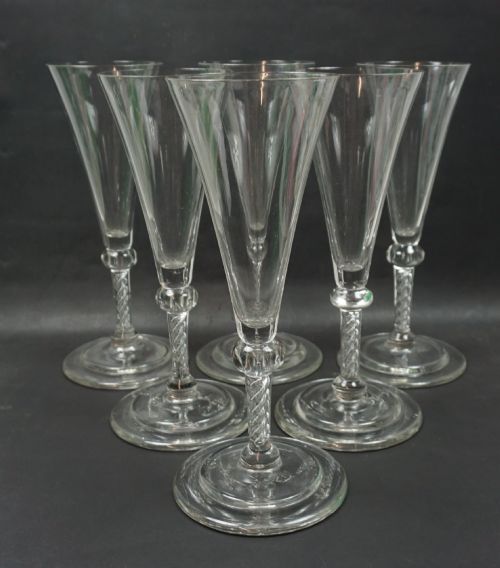
The most frequent examples found in this selection originate from Bohemia and France, spanning decanter sets with geometric enamel patterns and large suites of drinking glasses. They draw heavily on Art Deco principles, prioritising symmetry and bold contrast.
Beyond drinkware, the evidence shows related sets incorporating condiment vessels, scent bottles, and table accessories in lead crystal or pressed glass. Each configuration demonstrates the period's focus on matching suites for the dining table.
Materials and production methods
Makers utilised lead crystal, cut glass, and standard glass paired with metal mounts in chrome, silver plate, or brass. Enamel decoration was applied by hand to add strong colour to geometric surfaces.
Techniques combined traditional glass-blowing and heavy hand-cutting with modern acid-etching and enamelling. Metal components such as frames and stoppers were cast or plated to complete the utilitarian design.
1930s Glass Set Retail Price Guide 2026
Typical asking prices for 1930s glass set among the pieces listed under this phrase on Sellingantiques today, from the lower quarter to the upper quarter. They describe what is for sale here now, not the wider market.
Cocktail culture left behind silver cherry sticks and heavy crystal ice buckets complete with talon tongs.
Separating standard sets from the finest examples
Quality rests upon the weight of the crystal and the precision of the hand-cutting or enamel application. Pieces bearing signature details from known designers display sharper geometric control and superior clarity in the glass.
Condition of the enamel and absence of chips along the faceted rims dictate the standing of a set. Complete groupings with matching glasses intact command greater interest than assembled counterparts.
Karl Palda·Rene Lalique·Val Saint Lambert·Hermanova·Riihimaki
The 1930s Glass Set Glossary
- Lead crystal
- Glass containing metal oxide that increases weight, refractive index, and clarity. This material allows for deep, sharp facet cuts.
- Enamel decoration
- Pigment applied to the glass surface and fired to bond the colour. It creates opaque geometric bands or motifs typical of the period.
- Decanter set
- A matched grouping comprising a stoppered vessel and a number of drinking glasses. They were produced for serving spirits in the dining room.
- Acid-etching
- A method of using acid to bite designs into the glass surface. This technique produces frosted or textured patterns without mechanical cutting.
1930s Glass Set: Frequently Asked Questions
What is a 1930s glass set used for?
These sets served spirits, cordials, and cocktails during home gatherings in the interwar period.
They sat on sideboards or drinks trolleys, keeping matching glasses and a decanter ready for guests.
How do I spot a Karl Palda set?
Karl Palda pieces from Bohemia show strict geometric black and red enamel patterns on clear or frosted crystal.
Look for architectural decanter shapes and matching handled glasses with square handles.
Are these sets safe to use?
Most pieces remain stable for occasional serving, though older lead crystal requires gentle hand washing.
Harsh detergents and dishwashers should be avoided to protect hand-applied enamel and silver plating.
How do I tell Czech glass from French glass?
Czech production leans towards bold black-and-white or coloured geometric enamels on heavy pressed or cut crystal.
French suites often emphasise large engraved floral or abstract motifs on clear blown crystal bodies.