


1930s Glass Ceiling Fixture
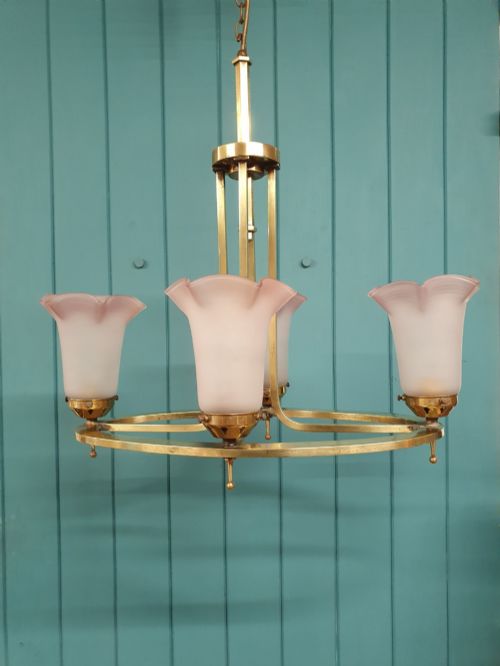
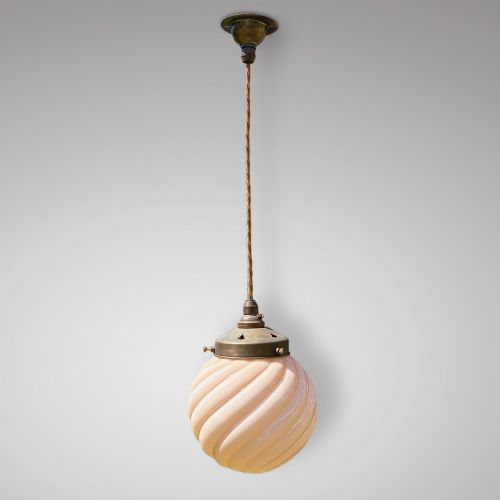
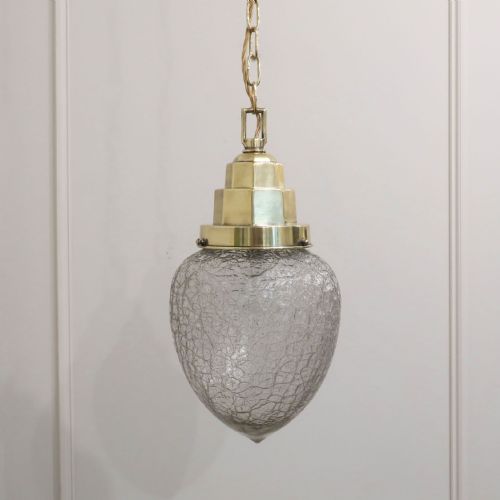
A 1930s glass ceiling fixture brings geometric form and diffused light to a room, offering genuine period character for a period interior.
1930s Glass Ceiling Fixture
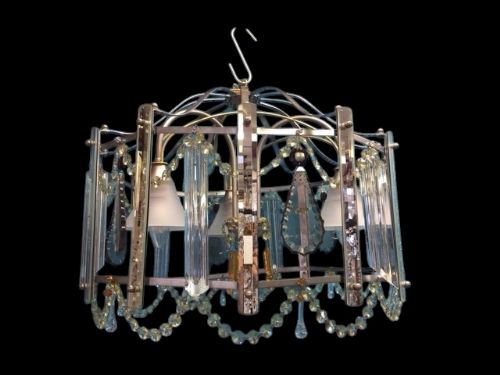
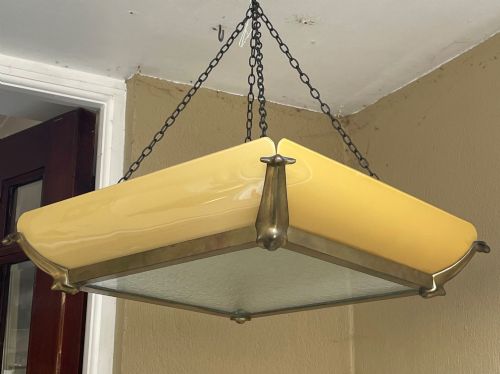
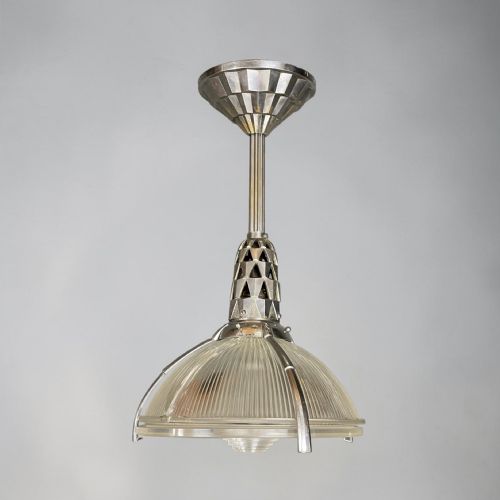
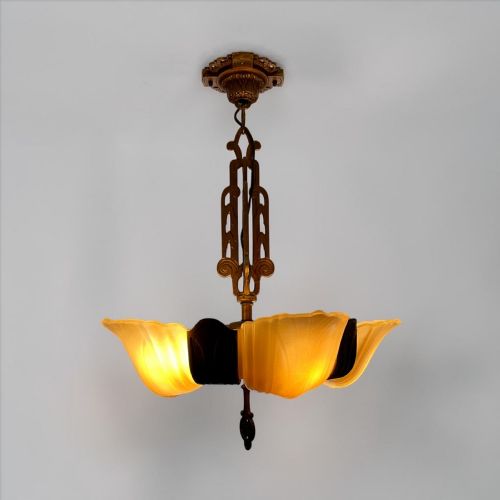
A 1930s glass ceiling fixture encompasses pendant lights, flush ceiling lamps, and multi-light chandeliers designed to sit close to or hang from the ceiling. Most examples originate from the Art Deco period, alongside occasional regional interpretations such as Highland Lodge fittings.
The primary forms utilise moulded, frosted, or opalescent glass shades paired with metal frames. Buyers encounter single-bulb pendants, slip shade ceiling lights, and large multi-armed chandeliers suited to hallways and principal rooms.
Materials and construction
Glass elements are predominantly frosted, opaline, pressed satin, or clear crystal, shaped through moulding or cutting techniques. These translucent panels diffuse light evenly across the room.
Metal mounts incorporate brass, chrome, copper, bronze, and wrought iron to support the heavier glass bowls and shades. These structural components use casting and joining methods typical of the period.
Listings feature periods from 1920 to 1930, uniting frosted glass, brass, chrome, and opaline glass in various ceiling light formats.
Quality distinctions
The calibre of a 1930s glass ceiling fixture rests upon the weight and depth of the glass moulding. Heavier, crisper pressed glass details and intricate surface finishes separate standard production from more ambitious workshop pieces.
Metalwork execution also defines the standard of the piece, particularly where cast bronze, brass, or wrought iron frames demonstrate careful finishing. The integration between the glass shade and the supporting metal armature indicates the original maker's intent.
Émile-Jacques Ruhlmann·Jean Gauthier
The 1930s Glass Ceiling Fixture Glossary
- Slip shade
- A moulded glass panel that slides or clips directly into a metal frame or basket on a ceiling light. These shades form a distinctive basket shape around the bulb.
- Opaline glass
- A milky, semi-translucent white glass that softens light evenly without harsh glare. It is frequently formed into pear shapes or spherical globes.
- Bag chandelier
- A light fixture featuring numerous small glass crystals arranged in a tapering bag or basket formation beneath a metal crown. They catch and refract the light.
- Pressed satin glass
- Glass that has been pressed into a mould and chemically or mechanically treated to create a soft, matte texture. This finish diffuses illumination gently.
1930s Glass Ceiling Fixture: Frequently Asked Questions
How do I hang a heavy 1930s glass chandelier safely?
These heavier metal and glass chandeliers require direct fixing to a ceiling joist using appropriate steel brackets rather than relying on standard plasterboard fixings. Professional installation is recommended given the combined weight of the glass shades and metal frames.
Ensuring the electrical wiring meets modern standards while retaining the original brass or chrome suspension chains is essential for safe daily operation.
What rooms suit a slip shade ceiling light?
Slip shade ceiling lights project downward illumination, making them well suited to dining rooms, hallways, or living spaces with sufficient ceiling height. Their compact drop allows them to function in rooms where a hanging pendant might hang too low.
The horizontal spread of light illuminates surrounding walls effectively while the decorative metal frame provides a strong visual anchor.
How do I clean frosted and opaline glass shades?
Wash the glass elements in lukewarm water with mild soap, avoiding harsh chemical cleaners that can damage vintage frosted or satin surfaces. Dry each piece thoroughly with a soft cloth before reassembly.
Take care when handling heavy pressed glass shades or slip panels near metal clips to prevent chipping the edges during maintenance.
Are these lights compatible with modern LED bulbs?
Most vintage fittings accept modern screw or bayonet LED bulbs, provided the physical dimensions fit within the enclosed glass shades or globes. Selecting a warm white bulb helps replicate the softer quality of historic lighting.
Check the internal lamp holder to ensure the socket type matches current bulb standards before installation.