



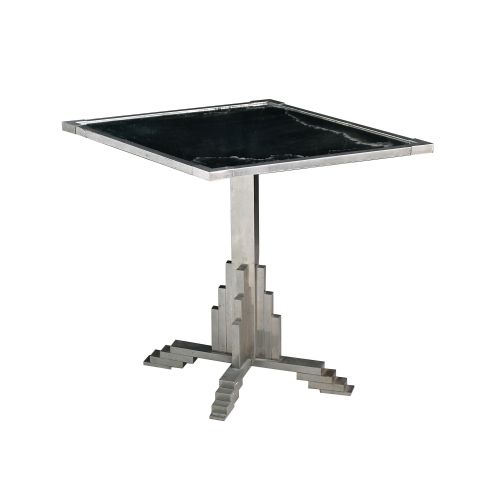


1930s Drinks Table
A 1930s drinks table brings genuine Art Deco style and clever folding mechanisms to home entertaining.
1930s Drinks Table
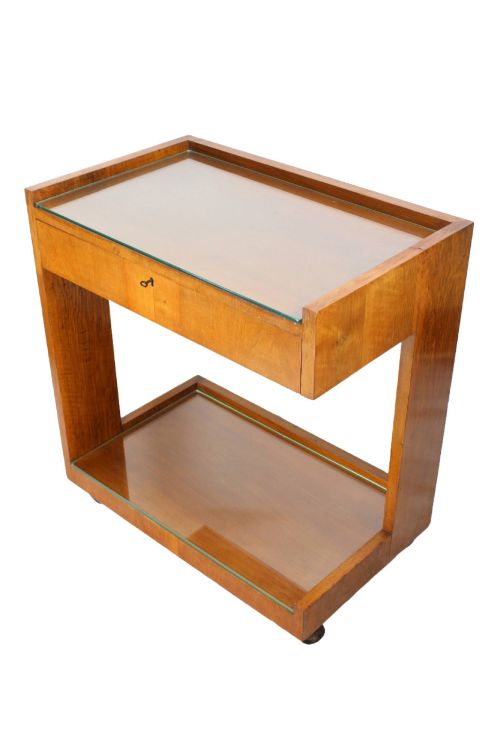
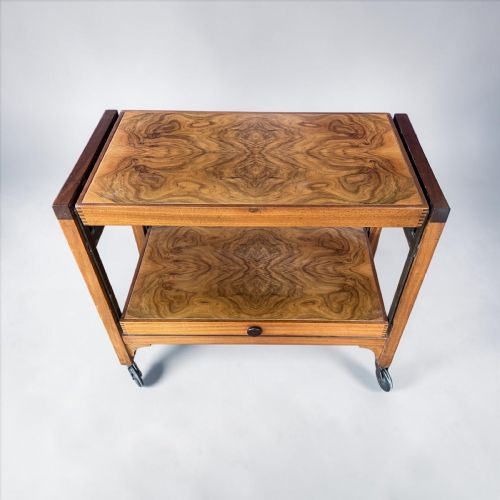
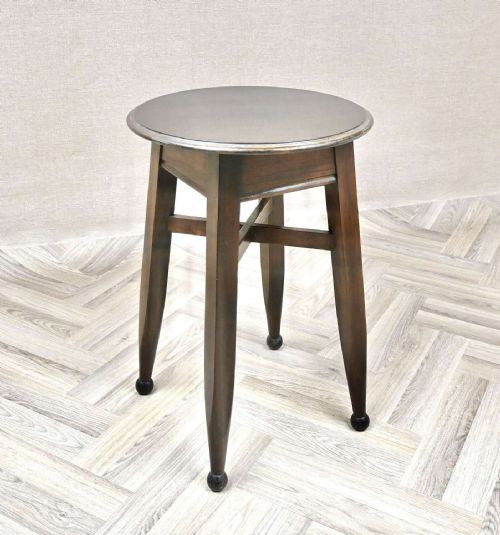
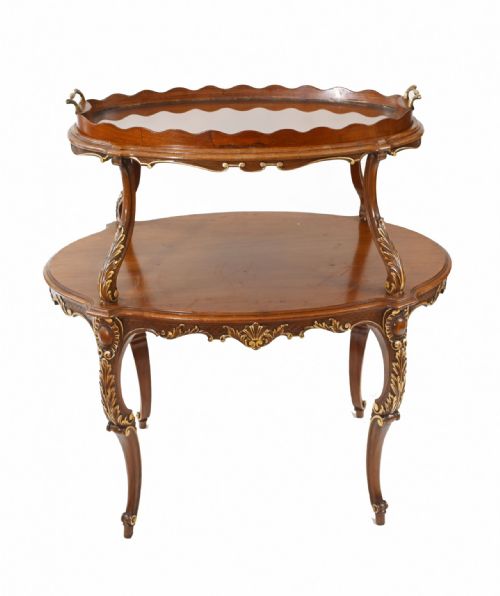
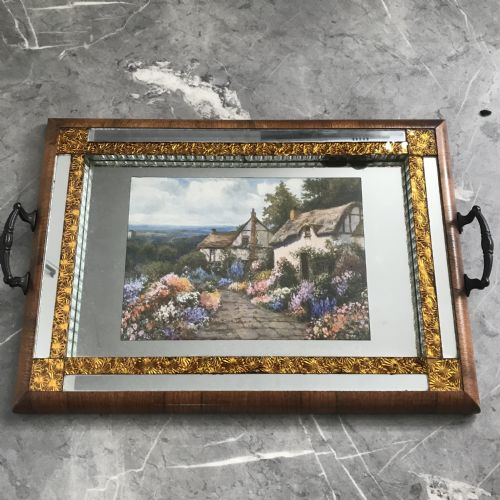
When you search for a 1930s drinks table, you encounter practical furniture designed specifically for serving cocktails and hosting guests during the interwar period. These pieces span multi-tiered serving trolleys, metamorphic dry bars, and mirrored occasional tables built to accommodate glassware and bottles.
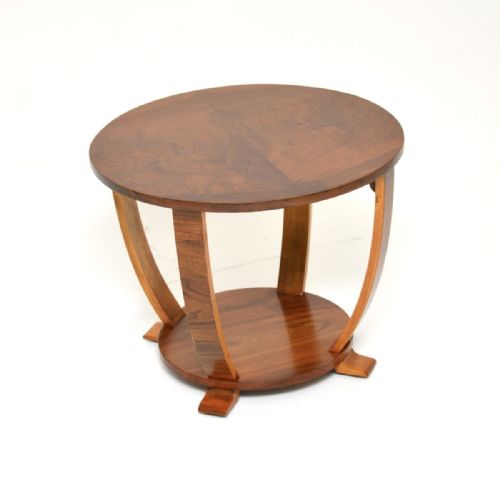
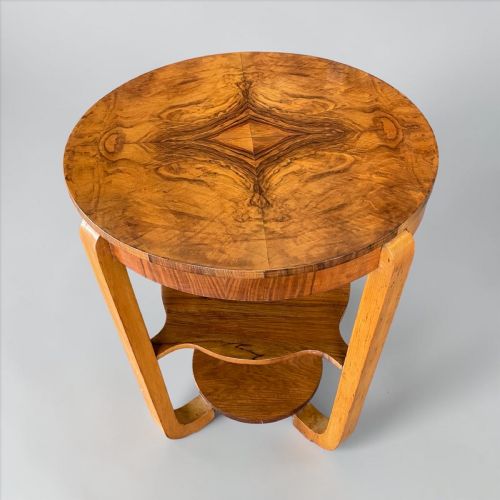
The dominant style on this page is Art Deco, frequently shaped by geometric lines, tiered platforms, and functional mobility via casters. Alongside rolling trolleys, the selection includes side tables, pub tables, and nesting sets that double as convenient perches for glasses.
Origins stretch across England, France, and Italy, reflecting distinct European tastes in hospitality furniture from the era. Makers utilised walnut, walnut veneer, and mirrored glass to catch the light during evening gatherings.
How they were made
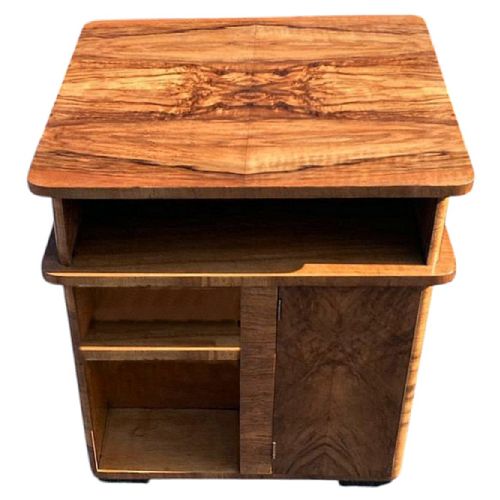
Makers constructed these tables using solid woods and engineered panels faced with figured walnut or macassar veneer. The application of rich grain patterns across curved and planar surfaces defined the visual appeal of the period.
Metal components played a structural and decorative role, with brass and chrome appearing on frames, handles, and casters. Mirrored glass tops provided a reflective surface resistant to spills while enhancing the luminous quality of the design.
1930s Drinks Table Retail Price Guide 2026
Typical asking prices for 1930s drinks table among the pieces listed under this phrase on Sellingantiques today, from the lower quarter to the upper quarter. They describe what is for sale here now, not the wider market.
Materials span walnut veneer, chrome, brass, mirrored glass, and marble across English and French designs.
What varies in quality
The sophistication of the mechanism separates standard serving pieces from high-end metamorphic tables that pop up or unfold to reveal concealed storage. Intricate engineering in the hinges and folding tiers demands precise craftsmanship.
Selection of timber veneer dictates visual distinction, with highly figured walnut or exotic woods creating deeper contrast than plain surfaces. The integration of materials such as marble, mirrored glass, and polished chrome further elevates a piece.
Harry and Lou Epstein·Incorporall
The 1930s Drinks Table Glossary
- Art Deco
- A design style characterised by sleek geometric shapes, streamlined forms, and modern industrial materials popular between the wars.
- Metamorphic
- Furniture designed to transform its shape or function through folding, pivoting, or pop-up mechanisms.
- Etagere
- A piece of furniture consisting of a set of open shelves for displaying items or serving drinks.
- Veneer
- A thin layer of finely figured wood applied over a stable secondary timber to create a decorative surface.
1930s Drinks Table: Frequently Asked Questions
How do metamorphic drinks tables work?
These tables utilise concealed hinges and folding tiers that expand the surface area or raise internal compartments when opened for entertaining.
Such mechanisms allow a compact side table to transform into a fully functioning cocktail station with minimal effort.
Where were these tables made?
The pieces originate primarily from workshops and makers across England, France, and Italy during the interwar decades.
Each region brought distinct regional interpretations to the prevailing Art Deco aesthetic and materials.
Can I use a trolley as a bar cart?
Two-tier trolleys and etagere tables were specifically built to transport glassware, bottles, and decanters between rooms.
Their fitted casters and protective edges make them well-suited for modern serving duties.
What woods appear most often?
Walnut and walnut veneer dominate the construction, often chosen for their rich grain patterns and warm tones.
Some examples incorporate rarer woods like birds eye maple, rosewood, and ebonised timber.