




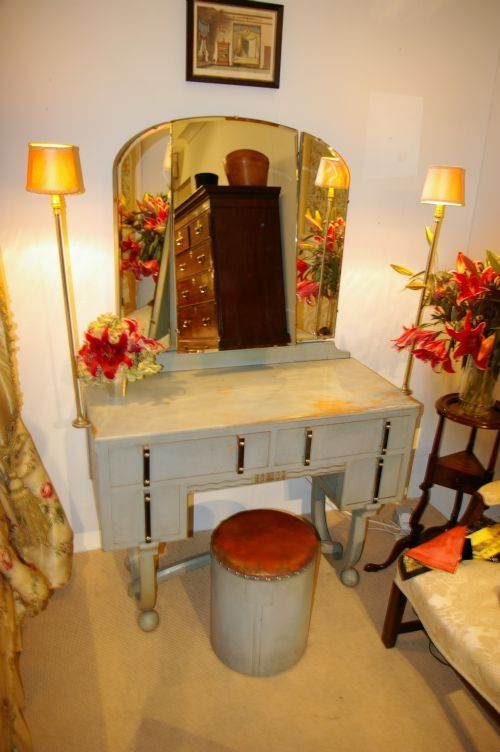
1930s Dressing Table Stool
These 1930s dressing table stool examples bring practical seating and period character to a bedroom, prized for their distinctive geometric lines and warm timber tones.
1930s Dressing Table Stool
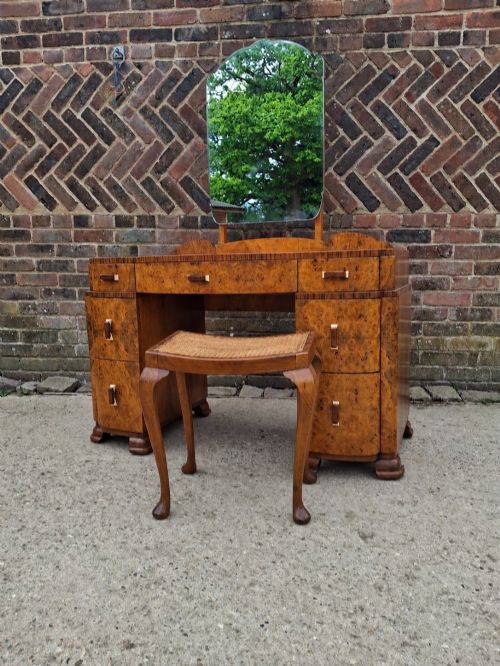
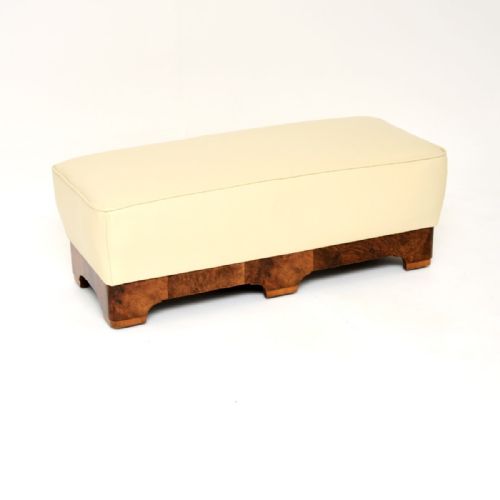
A 1930s dressing table stool is a low seat designed to sit beneath a vanity or dressing chest, appearing most frequently in forms associated with the Art Deco style. These pieces often double as piano stools or small ottomans, providing compact utility in the bedroom or dressing room.
The selections available here span the 1920s and 1930s, showing origins in England and France. Alongside standard rectangular timber frames, buyers encounter Cotswold School craftsmanship and French painted variations.
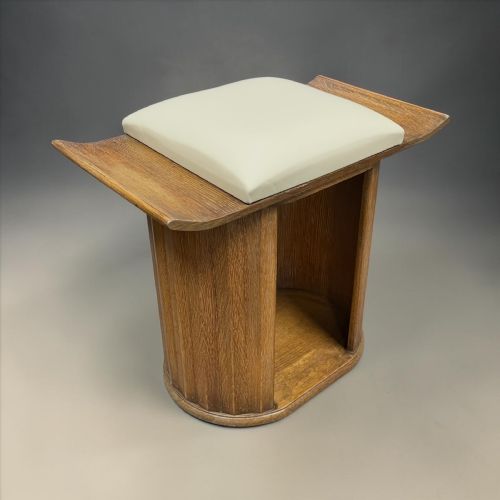
Makers and workshops of the period utilised striking veneers and specialist finishes to complement matching dressing chests and full bedroom suites. The forms range from simple upholstered seats to designs incorporating hidden storage compartments beneath the top.
How they were made
Cabinet makers of the era employed choice hardwoods and exotic veneers, notably burr walnut, birds eye maple, oak, sycamore, and plain walnut. These rich timbers were shaped to highlight natural grain patterns, particularly across the flat tops and curved aprons characteristic of Art Deco design.
Upholstery materials recorded in the construction include leather, fabric, and velvet, often paired with new contemporary top covers. Metal elements also appear in specific frames, adding industrial contrast to polished wooden structures.
1930s Dressing Table Stool Retail Price Guide 2026
Typical asking prices for 1930s dressing table stool among the pieces listed under this phrase on Sellingantiques today, from the lower quarter to the upper quarter. They describe what is for sale here now, not the wider market.
Listings feature burr walnut, birds eye maple, and leather across pieces dated to the 1920s and 1930s.
What varies in quality
Quality in a 1930s dressing table stool rests upon the selection of timber veneers and the precision of the joinery. Finer examples display carefully matched burr walnut or birds eye maple grains that wrap seamlessly around the frame.
The distinction between standard production pieces and high workshop output often lies in attribution to known makers or distinctive regional movements like the Cotswold School. Structural integrity and the preservation of original leather or fabric upholstery further separate baseline utility items from collector pieces.
Harry and Lou Epstein·Rowley Gallery
The 1930s Dressing Table Stool Glossary
- Art Deco
- A design style spanning the 1920s and 1930s characterised by sleek geometric shapes, streamlined forms, and rich materials. It dominates the aesthetic of these vanity seats.
- Burr Walnut
- A highly figured wood grain obtained from walnut tree growths, prized for its swirling patterns. Makers used it as a decorative veneer on premium furniture.
- Birds Eye Maple
- Afigured timber showing small, distinctive circular eyes in the grain pattern. This light wood was favoured by Art Deco designers for contrast.
- Cotswold School
- An English arts and crafts movement focusing on traditional hand woodworking techniques. Pieces from this tradition emphasise honest construction and solid materials.
- Sycamore
- A pale, fine-grained hardwood used for light-toned furniture frames and detailing. It provides a clean backdrop for patterned fabric covers.
1930s Dressing Table Stool: Frequently Asked Questions
What styles define a 1930s dressing table stool?
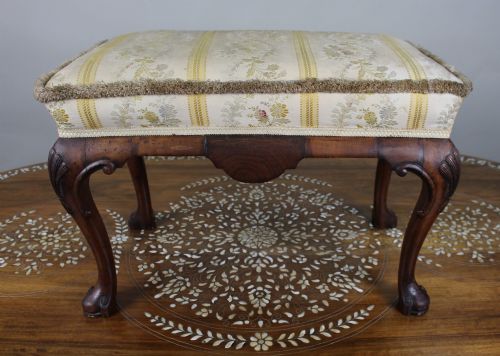
The predominant style across these pieces is Art Deco, marked by clean lines and geometric proportions. Other notable examples reflect the Cotswold School or French Rococo Revival.
These varied aesthetic movements ensure the seats coordinate with both sleek modern interiors and traditional period rooms.
Which woods were used for these stools?
Cabinet makers utilised a range of domestic and imported timbers, including walnut, burr walnut, birds eye maple, oak, and sycamore. These woods were often polished to highlight natural grain patterns.
Such decorative veneers defined the visual appeal of bedroom furniture during this decade.
Do these stools include storage space?
Certain designs incorporate internal storage compartments beneath the upholstered top. This practical feature allowed users to store small dressing table items neatly out of sight.
Not all models include this addition, as many focused purely on compact seating.
How do French pieces differ from English ones?
French examples from this era often feature painted finishes rather than exposed wood veneers. This lighter decorative approach contrasts with the timber-focused English Art Deco output.
Both origins maintain the low, compact proportions required for vanity seating.