

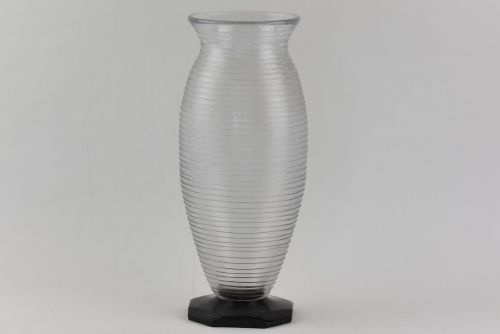


1930s Decorative Vase
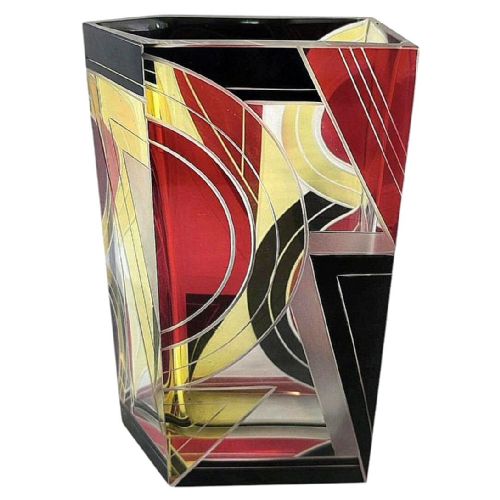
A 1930s decorative vase brings the bold geometric lines and rich colours of the interwar period straight into a room.
1930s Decorative Vase
A 1930s decorative vase captures the vibrant craft and design output of the interwar decades, spanning from tall geometric vessels to baluster forms. These pieces reflect the dominant Art Deco aesthetic alongside notable international works from Chinese Republican periods and Japanese Satsuma production.
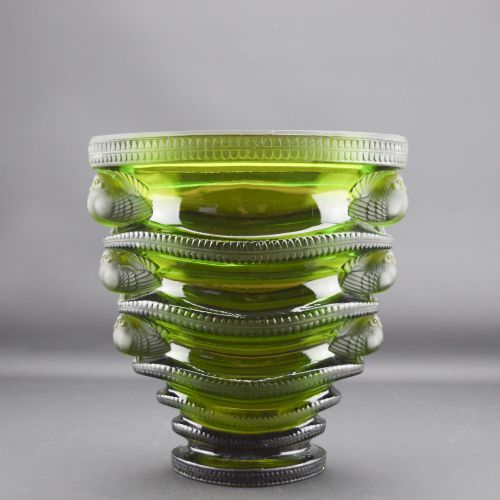
The selections on this page lean heavily towards moulded and frosted glass, alongside glazed earthenware and hand-painted ceramics. Buyers encounter everything from French opalescent glassware to English tube-lined pottery and intricate enamel-decorated glass.
Vessels take many shapes, including covered jars, flower jugs, and urns, serving as striking focal points. The diverse origins range from European glasshouses to East Asian kilns, each bringing distinct regional techniques to the era.
How these pieces were made
Makers utilised glass and earthenware as primary mediums, shaping them through moulding, etching, and hand-painting. Frosted and opalescent glass techniques allowed artists to play with light and depth, while gold leafing and enamel added rich surface detail.
Potters employed complex glazing methods, including lustre finishes and tube-lining, which created raised borders to hold vibrant pigments. Glassworkers relied on hot-worked moulding and precise acid-etching to achieve sharp geometric patterns across the body.
1930s Decorative Vase Retail Price Guide 2026
Typical asking prices for 1930s decorative vase among the pieces listed under this phrase on Sellingantiques today, from the lower quarter to the upper quarter. They describe what is for sale here now, not the wider market.
Some pieces carry paisley shawl patterns because even interwar glassware needed to dress warmly.
What varies in quality
Quality rests on the crispness of the moulding and the precision of the surface decoration, whether in the depth of an acid-etched glass line or the hand-painted execution of a ceramic pattern. Stronger examples display a confident command of material, where the weight of the glass or the richness of the glaze matches the ambition of the form.
Design complexity also separates standard productions from masterworks, with multi-layered colourways and specialised finishes requiring greater technical skill. The integration of form and decoration defines the longevity and visual impact of each piece.
Rene Lalique·Karl Palda·Charlotte Rhead·Roger Guerin·Royal Winton
The 1930s Decorative Vase Glossary
- Art Deco
- A dominant design style characterised by sleek geometric shapes, stylised motifs, and modern industrial materials. It reached its peak popularity during the interwar decades.
- Baluster
- A vase shape featuring a rounded body that tapers towards a narrow neck and wide base, reminiscent of architectural columns.
- Tube-lining
- A ceramic decoration technique where a fine line of liquid clay is squeezed onto the unglazed body to form raised outlines for colour.
- Opalescent glass
- Glass that diffuses light with a milky, iridescent glow, frequently utilised in French vessels of this period to highlight moulded relief designs.
- Lustre
- A ceramic finish containing metallic elements that produce an iridescent sheen when fired in a reduction kiln.
1930s Decorative Vase: Frequently Asked Questions
How do I identify a 1930s glass vase?
Look for characteristic weight, distinct mould seams, and stylistic markers such as geometric etching or opalescent finishes typical of the interwar period. Many pieces also carry signatures or moulded factory marks near the base.
Examining the thickness and clarity of the glass helps distinguish period manufacturing techniques from later reproductions.
Are these ceramic vases waterproof?
Most glazed earthenware and porcelain vessels are water-resistant, but porous bodies or antique glazes can be sensitive to prolonged moisture.
It is wise to use a discreet glass liner inside antique ceramic vessels if you plan to display fresh flowers regularly.
How do I display a large decorative vase?
Large baluster or urn-shaped vessels command attention on sturdy sideboards, pedestals, or low tables where their silhouettes can be appreciated from multiple angles.
Keep surrounding decor minimal to let the rich colours and surface textures of the piece stand out in the room.
What is the difference between Satsuma and Republican ceramics?
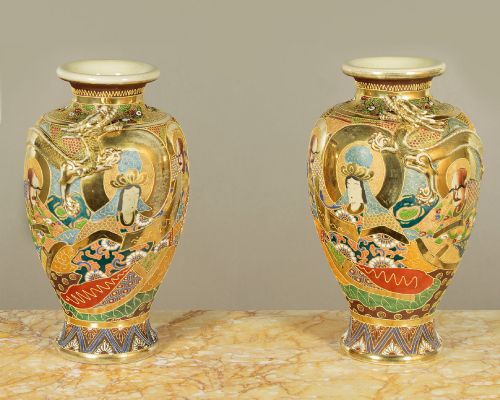
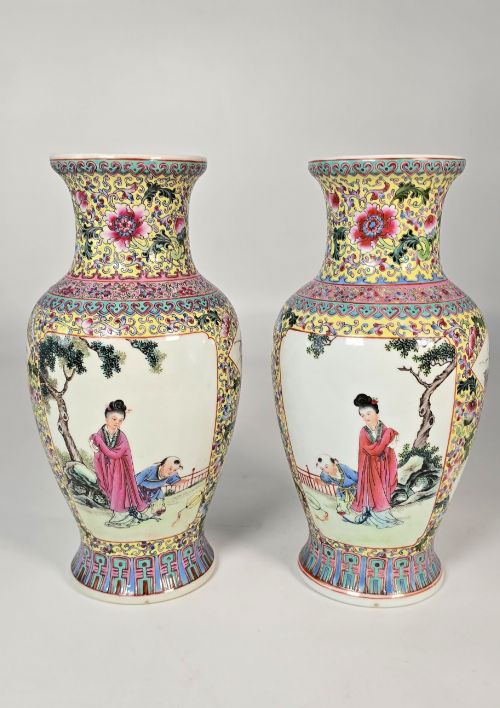
Japanese Satsuma pieces typically feature heavily crackled earthenware decorated with intricate enamels and gilding, often depicting traditional figures. Chinese Republican porcelain focuses on refined painted scenes executed on smooth, high-fired bodies.
Both traditions produced striking decorative export wares during the early twentieth century.