


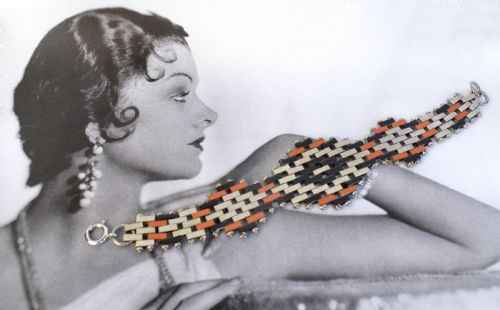


1930s Costume Jewellery
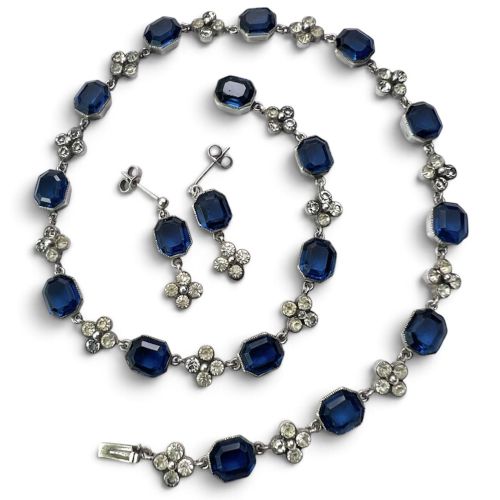
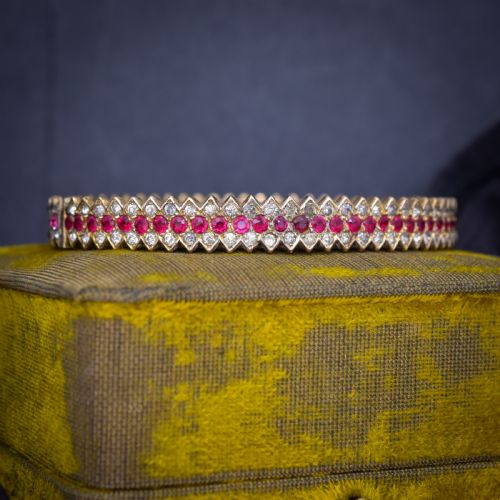
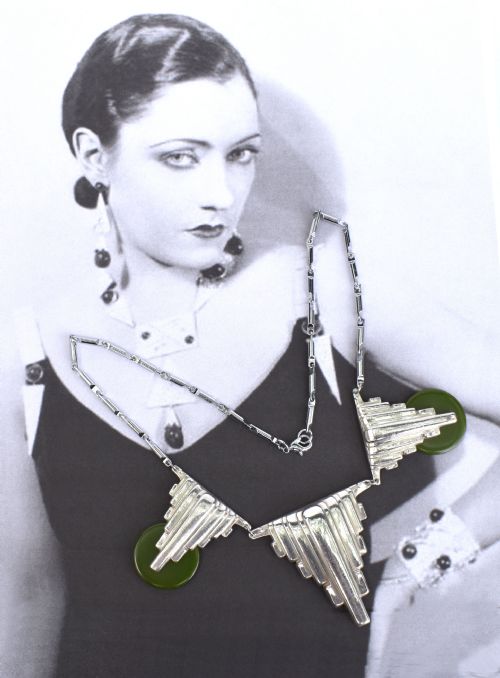
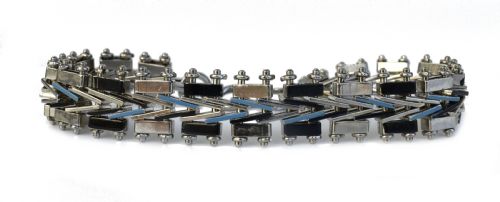
These pieces of 1930s costume jewellery deliver sharp geometric lines and industrial materials that define the period.
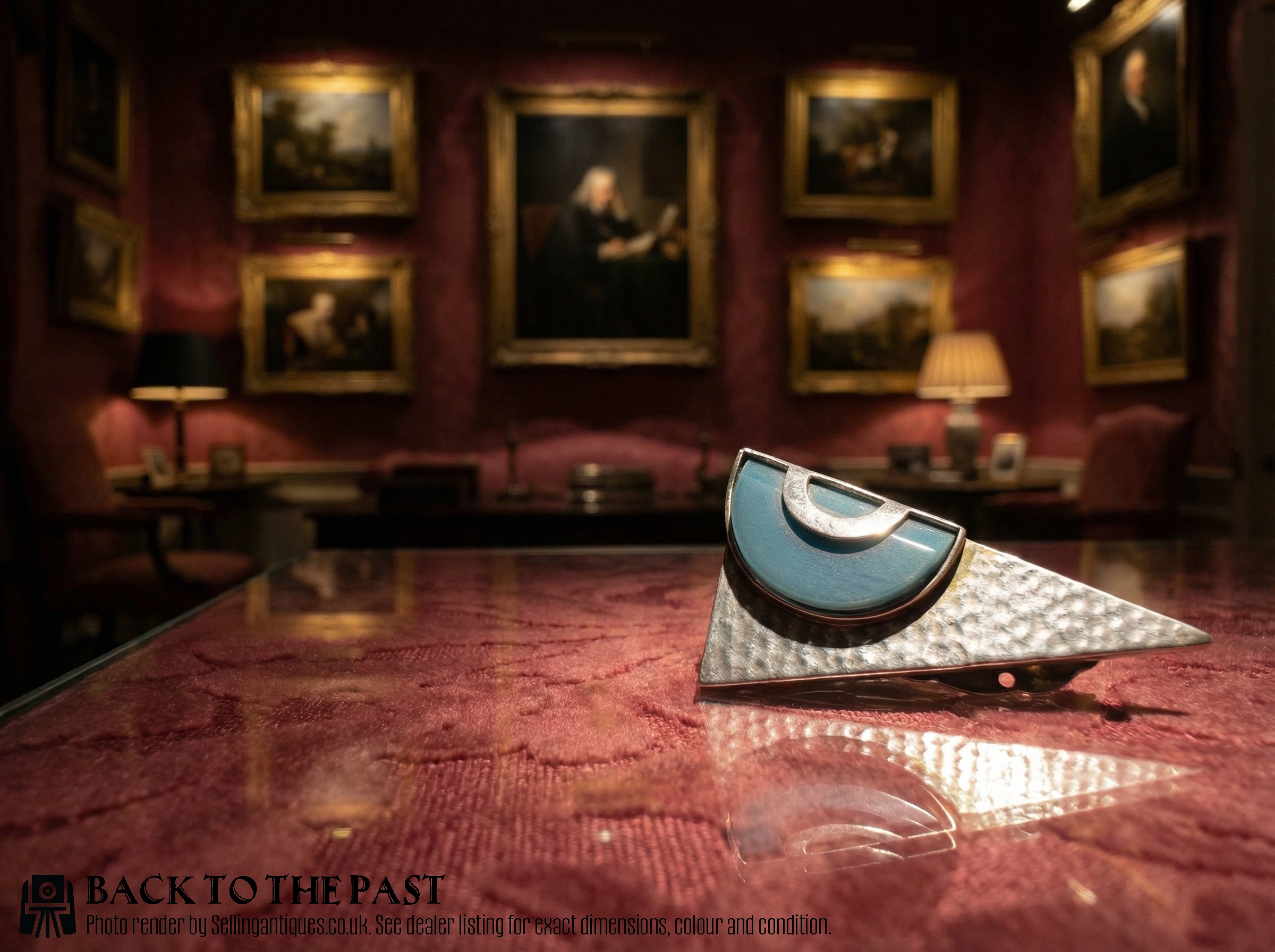
1930s Costume Jewellery
When you search for 1930s costume jewellery, you find items shaped by Art Deco and Modernist tastes, spanning necklaces, earrings, bracelets, bangles, and brooches. The selection draws heavily on pieces originating from the 1930 period, alongside examples dated to the 1920s, the 19th Century, and the 1940s.
The most common items meeting this search are bracelets and necklaces, often styled with distinct industrial links and colourful plastic components. These pieces demonstrate how design shifted away from traditional fine materials towards striking visual impact.
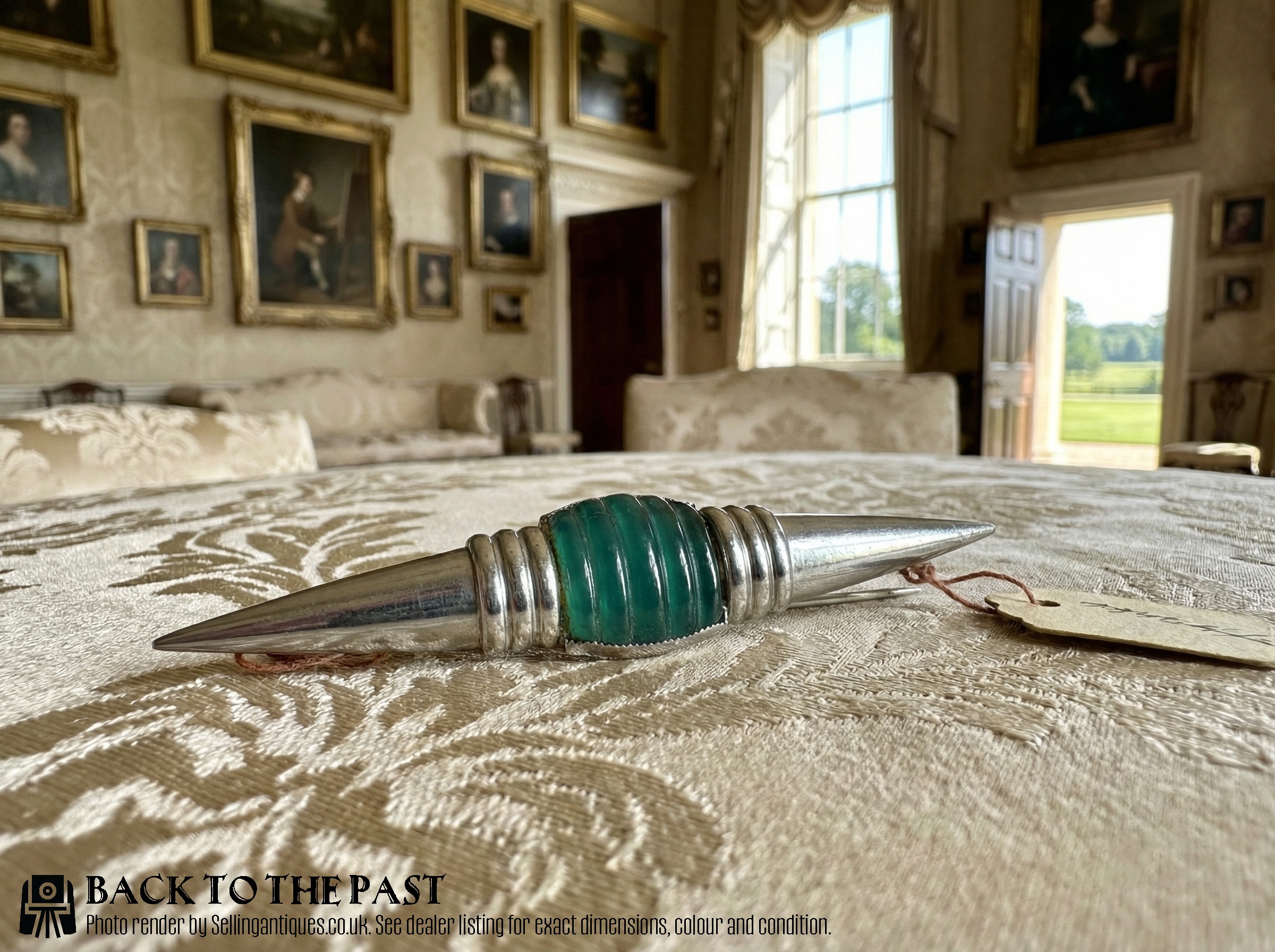
How they were made
Manufacturers built these pieces using base metals like chrome, silver plate, and standard metal combined with early plastics such as Bakelite, Galalith, and celluloid. Enamel and glass stones provided vibrant colour contrast against polished metallic surfaces.
Techniques relied on securing cut glass pastes, marcasite, and synthetic stones into metal settings alongside moulded plastic elements. Metal components frequently received chromium plating or silver plating to achieve a bright, durable finish.
1930s Costume Jewellery Retail Price Guide 2026
Typical asking prices for 1930s costume jewellery among the pieces listed under this phrase on Sellingantiques today, from the lower quarter to the upper quarter. They describe what is for sale here now, not the wider market.
Milk protein transforms into shiny modernist necklaces through Galalith, proving that dairy has a surprisingly stylish industrial past.
What varies in quality
Quality rests on the precision of the metalwork and the integration of diverse materials like glass, chrome, and early plastics. Pieces featuring named workshop attribution display superior engineering in their links and clasps compared to uncredited items.
The depth and preservation of the enamel work, the tightness of stone settings, and the structural integrity of moulded components determine the standing of individual examples across necklaces, bracelets, and brooches.
Jakob Bengel
The 1930s Costume Jewellery Glossary
- Bakelite
- An early form of synthetic plastic used extensively for colourful, moulded components in geometric jewellery designs. It offers a dense weight and distinctive tactile feel.
- Galalith
- A semi-synthetic plastic derived from milk protein that takes rich dyes and high polishes. It appears frequently in modernist necklace designs.
- Paste
- Cut and polished lead glass used to imitate gemstones with high refractive brilliance. It is securely set into metal mounts.
- Marcasite
- Small faceted pieces of iron pyrites set into silver or metal to create a sparkling, dark metallic border. This material is typical of decorative clasps and earrings.
- Dress clip
- A dual-pronged accessory designed to fasten securely onto clothing lapels or necklines without piercing the fabric. These clips often match existing bracelets or necklaces.
1930s Costume Jewellery: Frequently Asked Questions
What is 1930s costume jewellery made from?
These items utilise non-precious metals including chrome, standard metal, and silver plate, paired with early plastics such as Bakelite, Galalith, and celluloid.
Enamel finishes and glass stones provide the primary source of colour, often mounted in geometric arrangements characteristic of the era.
How do I identify Jakob Bengel pieces?
Jakob Bengel designs typically combine chrome-plated metal links with coloured plastic elements like Bakelite in strict industrial patterns.
These works span necklaces, bracelets, and dress clips, marked by precise mechanical construction and modernist aesthetics.
How should I store my vintage jewellery?
Keep items in dry, separate compartments to prevent metal friction and protect delicate plastic components from surface scratching.
Avoid exposing early plastics and glued glass stones to direct sunlight and moisture over extended periods.
Are these pieces made of solid silver?
Most items rely on base metals like chrome, metal, and silver plate rather than solid precious metals.
Some select examples incorporate silver alongside materials like marcasite and chrysoprase, though base metal construction remains standard for the period.