



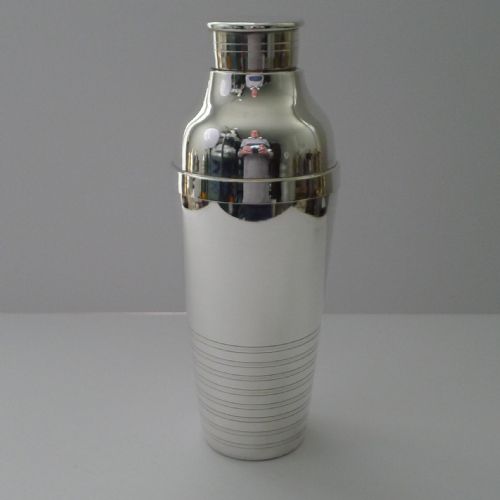
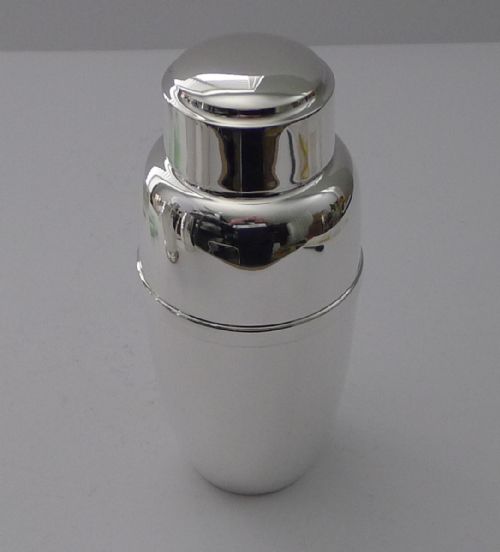
1930s Cocktail Mixer
These 1930s cocktail mixers are stylish barware objects from the Art Deco period that bring geometric elegance to entertaining.
1930s Cocktail Mixer
A 1930s cocktail mixer typically takes the form of a cocktail shaker or barware set produced during the Art Deco period. These vessels serve both a functional role in mixing drinks and a decorative purpose on a home bar.
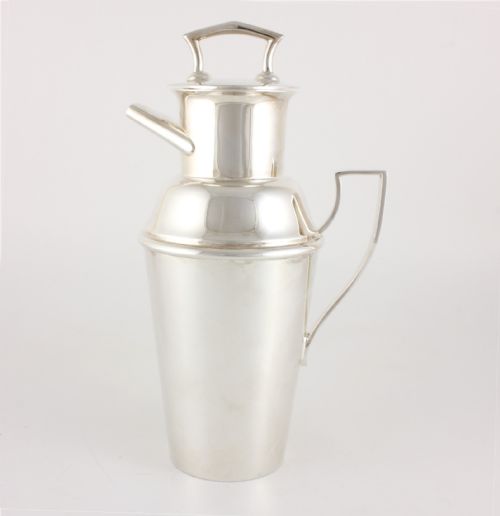
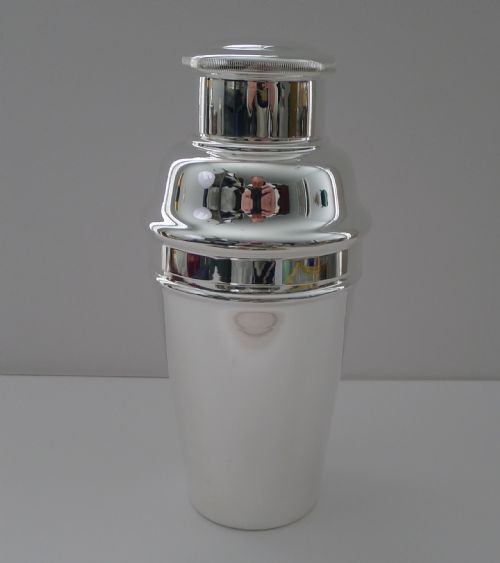
The most common examples on this page are silver plated vessels designed in distinct geometric or novelty shapes. Pieces span from plain cylindrical bodies to forms resembling milk churns, champagne bottles, and cockerels.
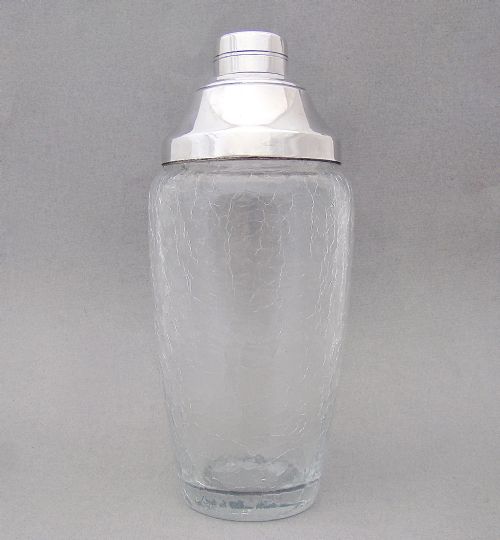
Originating largely from British, French, and German workshops, these mixers reflect the international appetite for modern design during the interwar decades. Buyers encounter both plain metallic finishes and combinations of glass and metal.
Materials and construction
Makers utilised silver plate, electroplated nickel silver, and standard metal as the primary metallic foundations for these vessels. These metals provided a bright, reflective surface suited to the modernist aesthetic of the era.
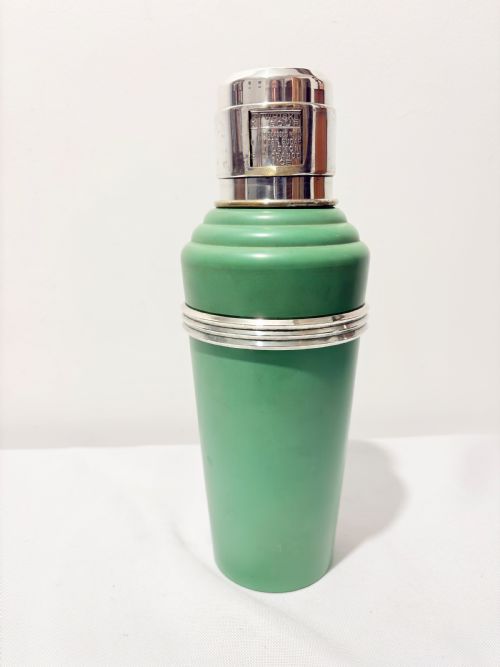
Listings feature silver plate, metal, electroplated nickel silver, glass, EPNS, cork, crackle glass, and Bakelite across the 1920s, 1930s, and 1940s periods.
Assessing quality and design
The distinction between standard production and top tier examples rests on the reputation of the maker and the complexity of the design. Pieces bearing signatures from known silversmiths command greater attention from collectors.
Execution of decorative details such as engine turning, hammered finishes, and enamelling defines the visual merit of an object. The inclusion of functional innovations like built-in recipe engravings or mechanical reamers elevates a piece above a basic container.
Asprey & Co·Keith Murray·William Suckling·C S Green & Co·Adie Brothers·Carl Deffner·William Hutton·Mappin & Webb·St. Medard·Kingsway Silver Plate
The 1930s Cocktail Mixer Glossary
- Art Deco
- A design style dominant in the 1920s and 1930s characterised by sleek geometric shapes, stylised motifs, and modern industrial materials. It influences the streamlined silhouettes seen across these barware items.
- EPNS
- Electroplated Nickel Silver. A common base metal process providing a silver coating over a nickel brass foundation.
- Bakelite
- An early form of synthetic plastic used for handles, knobs, and decorative accents on barware during this period. Its vibrant colours contrast with polished metal.
- Engine turned
- A precision decoration technique creating intricate geometric patterns of fine lines etched into metal surfaces. This method adds texture and catches the light on shaker bodies.
- Reamer
- A ribbed conical tool integrated into the top of certain shakers for extracting citrus juice directly into the mixing chamber.
1930s Cocktail Mixer: Frequently Asked Questions
What periods do these mixers come from?
The pieces span the interwar years, with the vast majority originating from the 1930s alongside occasional examples from the 1920s and 1940s.
All share the aesthetic hallmarks of the Art Deco movement, regardless of the specific decade of production.
Are these mixers made of solid silver?
Most examples are constructed from silver plate, electroplated nickel silver, or base metals rather than solid precious metal. Manufacturers applied a thin layer of silver over a durable core such as nickel brass.
Marks on the body often indicate the plating technique or the manufacturing house.
How do I identify novelty cocktail shakers?
Novelty shakers take recognizable shapes outside the standard cylindrical container, such as penguins, roosters, champagne bottles, or milk churns. These designs often conceal functional pouring spouts within the head or lid.
Makers utilised these playful forms to appeal to fashionable cocktail culture between the wars.