

1930s Bookcase
A 1930s bookcase brings practical shelving together with bold geometric lines and rich figuring that suited inter-war interiors.
1930s Bookcase
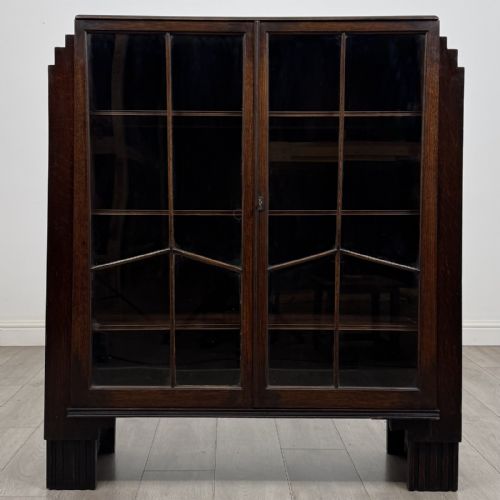
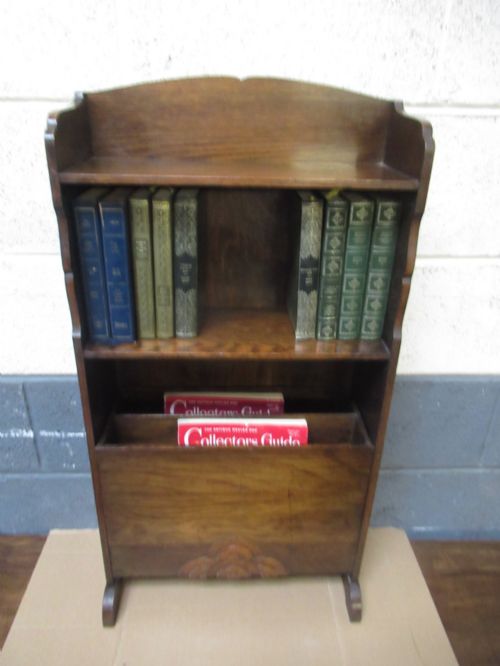
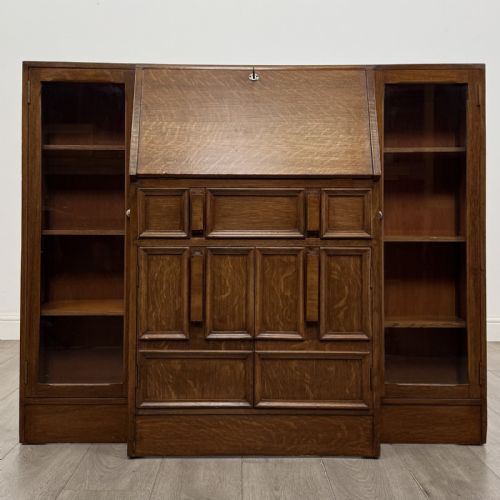
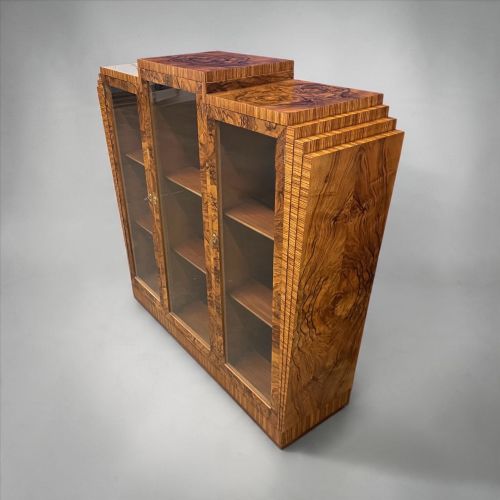
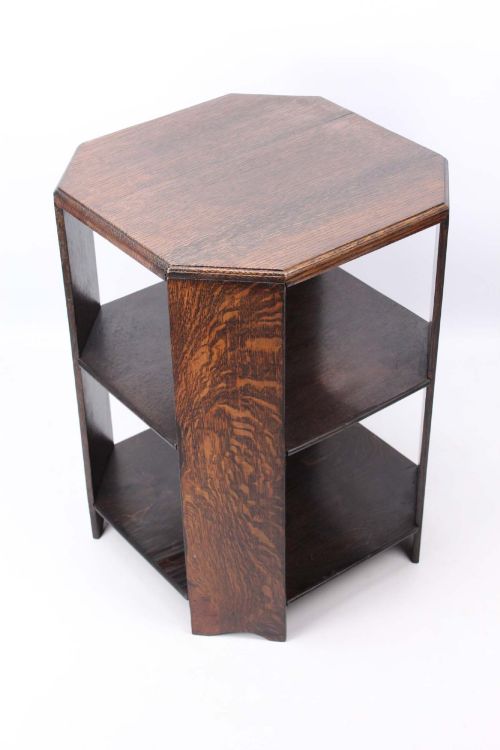
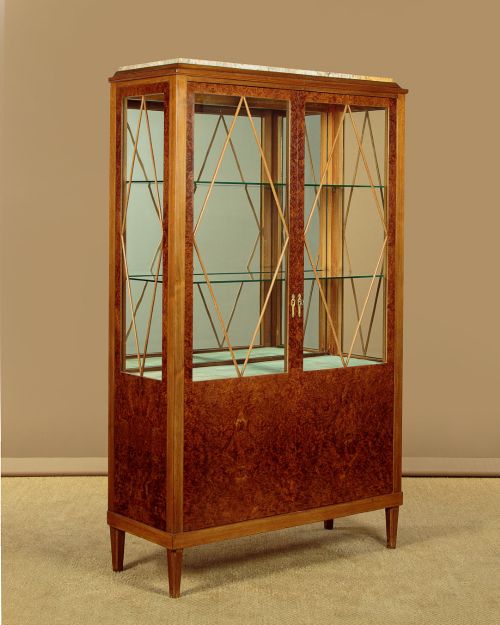
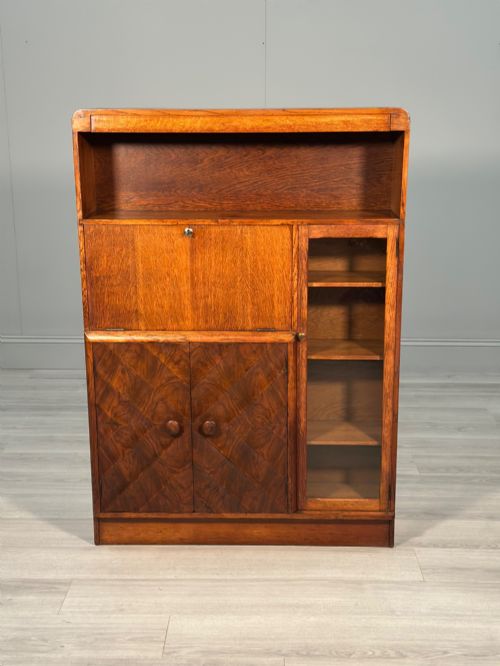
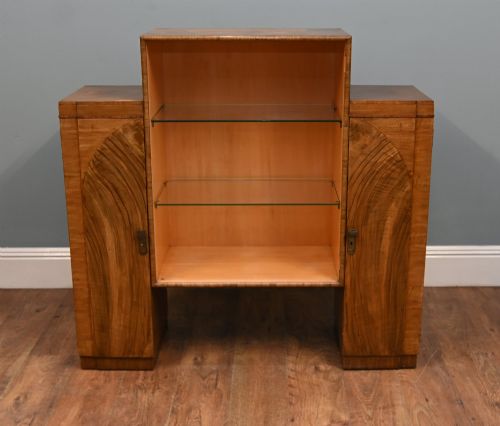
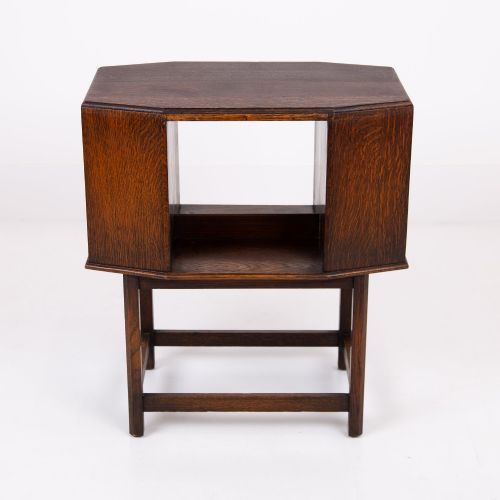
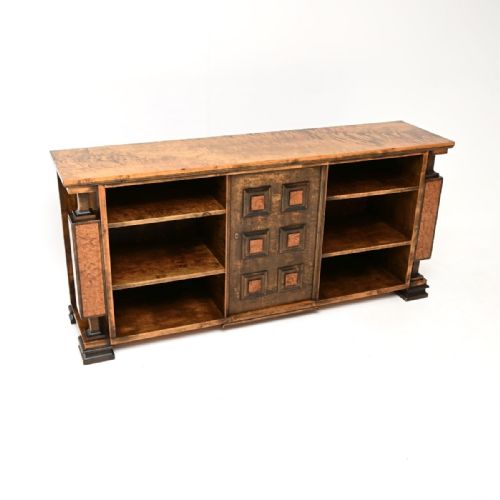
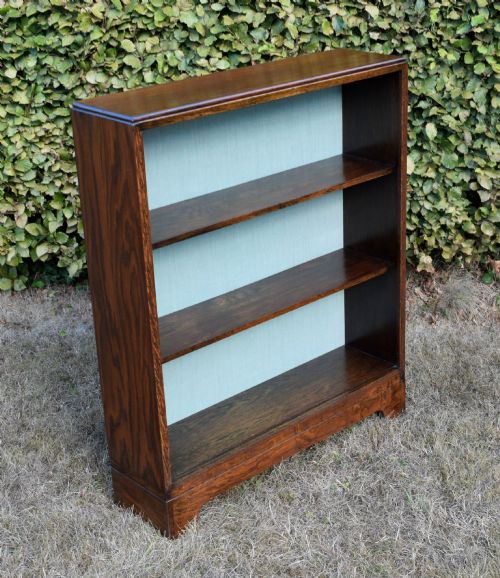
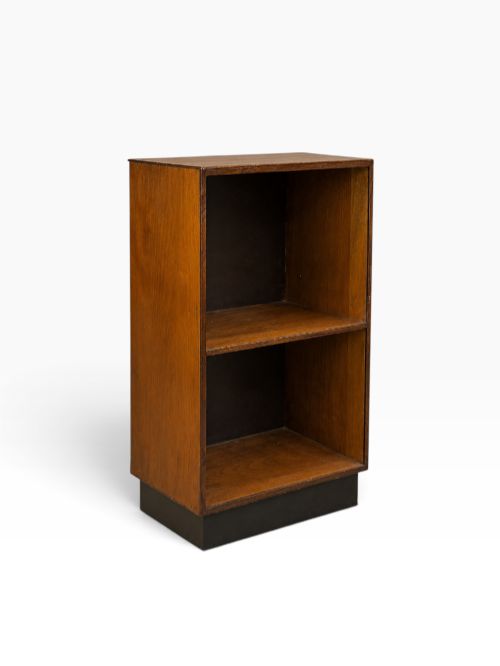
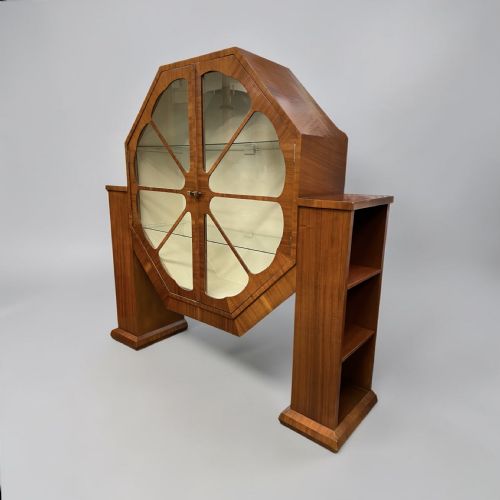
A 1930s bookcase primarily takes the form of an Art Deco display cabinet, bureau bookcase, or open shelf unit created during the inter-war decades. These pieces serve to store volumes while introducing architectural presence to a room through stepped silhouettes and glazed doors.
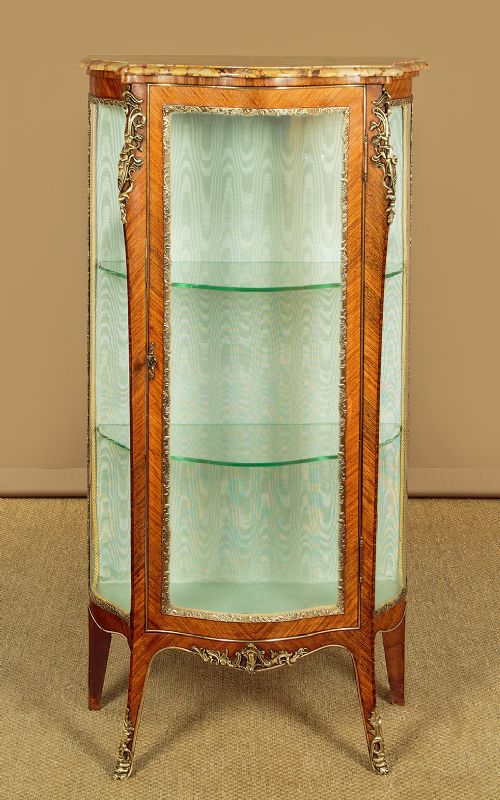
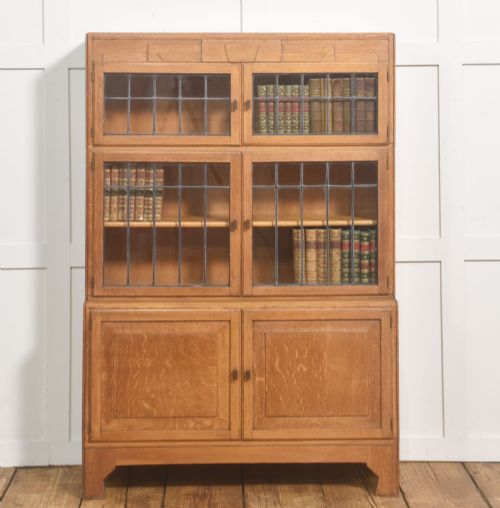
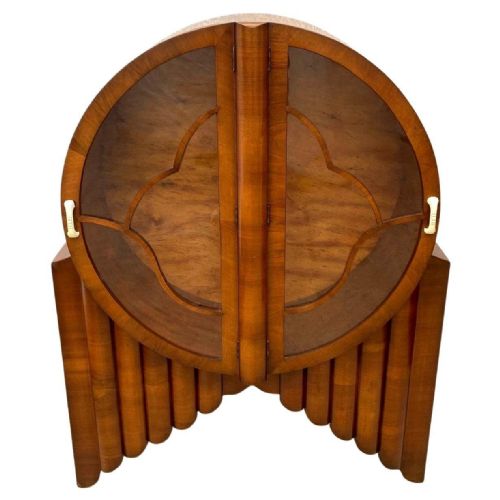
Most examples encountered here lean heavily into the Art Deco style, though revival aesthetics such as Tudor, Louis XV, and Queen Anne appear alongside simpler modernist oak furniture. Forms range from compact book tables and circular display vitrines to substantial glazed cabinets.
Origins span English workshops and Scandinavian studios, reflecting a period when domestic furniture shifted from heavy Victorian precedent towards lighter, more functional designs tailored for modern living spaces.
Materials and construction
Makers relied on solid oak and walnut as structural timbers, frequently applying burr walnut, figured veneers, or exotic woods like amboyna and satin birch to prominent exterior surfaces. These veneers created striking grain patterns across flat doors and curved fronts.
Glazing often featured leaded glass panes or curved glass panels set into wooden frames, whilst hardware such as brass handles and mounts provided functional contrast to the dark polished timbers.
1930s Bookcase Retail Price Guide 2026
Typical asking prices for 1930s bookcase among the pieces listed under this phrase on Sellingantiques today, from the lower quarter to the upper quarter. They describe what is for sale here now, not the wider market.
Listings feature walnut, oak, ash, amboyna, and satin birch timbers.
Judging the work
Quality rests upon the selection and matching of wood veneers, where symmetrical grain alignment across cabinet doors indicates careful hand-selection by the cabinetmaker. Plain, flat surfaces with repetitive grain patterns typically belong to more utilitarian production.
Construction methods also separate standard commercial output from bespoke commissions, visible in the precision of stepped architectural mouldings, the integration of specialised glass, and the stability of fitted interior shelving.
E Gomme·Maurice Adams·Betty Joel·F.H. Marshall & Co·Rurka
The 1930s Bookcase Glossary
- Vitrine
- A glass-fronted cabinet designed for the display of books or decorative objects. These often feature glazed sides to let light pass through the interior.
- Bureau bookcase
- A hybrid form combining a sloping writing flap above or below enclosed shelving. It provides both a compact desk space and functional book storage.
- Leaded glass
- Small panes of glass held together by strips of lead cames. This technique creates geometric patterns across cabinet doors.
- Stepped bookcase
- A design featuring ascending or descending shelf tiers that echo architectural skyscrapers. This silhouette defines much of the period's output.
1930s Bookcase: Frequently Asked Questions
Where should I place a 1930s bookcase?
These pieces suit living rooms, studies, or hallways where their distinct wood grains and architectural silhouettes can function as focal points.
Ensure the room has stable humidity levels to protect sensitive wood veneers and antique glass panels from environmental stress.
How do I care for walnut veneer?
Dust surfaces regularly with a dry, soft cloth and avoid placing wooden furniture in direct sunlight or near heat sources.
Apply a quality wax periodically to nourish the timber and maintain the sheen of the polished finish.
How do I distinguish Art Deco from revival styles?
Art Deco pieces display geometric lines, stepped forms, and exotic wood veneers that reflect modernism of the inter-war period.
Revival styles instead borrow traditional motifs from Tudor, Louis XV, or Queen Anne furniture traditions.
Can these cabinets hold heavy modern books?
Most inter-war shelving is robustly constructed from solid oak or veneered blocks designed to support substantial volumes.
Check the stability of fixed interior shelf supports before loading large or heavy collections onto upper tiers.