




1930s Black Glass Bottle
These 1930s black glass bottle pieces deliver striking Art Deco geometry and functional elegance to any modern interior.
1930s Black Glass Bottle
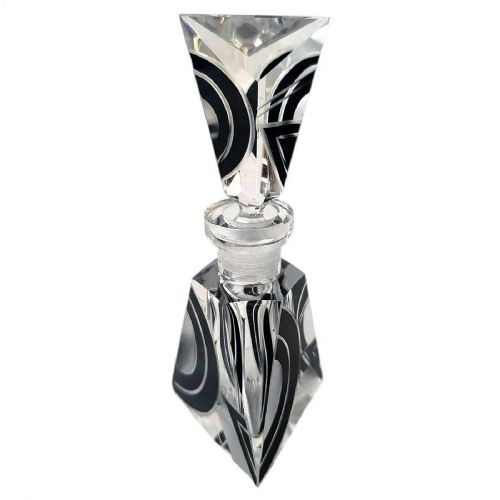
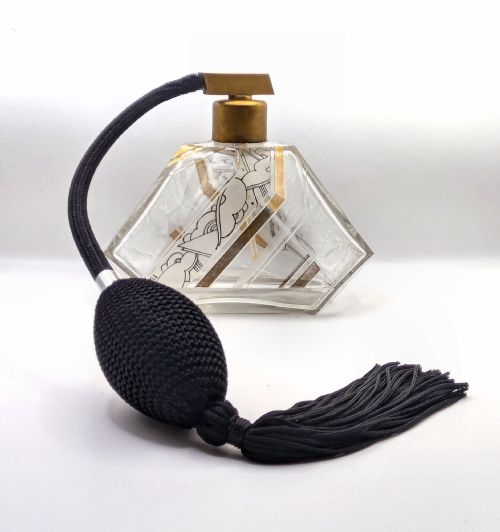
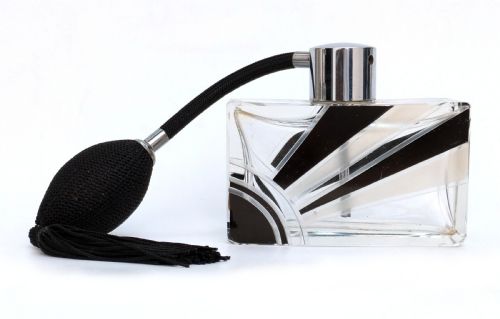
A 1930s black glass bottle represents the bold modernist aesthetic of the Art Deco period, typically taking the form of a perfume bottle, atomizer, or decanter set. These vessels served dressing tables and drinks cabinets with equal flair, combining dark opaque glass with contrasting metallic or enamelled details.
The objects originate primarily from the Czech Republic, showcasing the distinctive craftsmanship associated with central European glasshouses of that era. Buyers encounter pieces styled with geometric cutting, sunray motifs, and matching glassware components that reflect the glamorous lifestyle of the nineteen-thirties.
How they were made
Makers utilised heavy pressed and blown glass as the primary foundation, often shaping the material into sharp geometric profiles or spherical forms. Artisans then applied surface decoration through cutting, enamelling, and metalwork integration.
Craftsmen mounted chrome, brass, and silver hardware onto the glass bodies, frequently incorporating fabric components within spray atomiser mechanisms. Enamel paint added vibrant colour accents against the dark glass surfaces.
Current listings feature glass, enamel, chrome, brass, and silver across perfume bottles, atomisers, and decanter sets.
What varies in quality
The standard of design execution and the complexity of the glass cutting define the upper tier of these pieces. Elaborate geometric facets and precise enamelling separate masterworks from simpler moulded production.
The integrity of integrated metal fittings, such as silver mounts and atomiser hardware, influences the overall sophistication of the object. Complete sets featuring matching glasses or atomiser bulbs retain a higher degree of original context.
Karl Palda·Mosey
The 1930s Black Glass Bottle Glossary
- Atomiser
- A device fitted to a bottle for spraying liquid perfume in a fine mist. These mechanisms often incorporate metal collars and fabric squeeze bulbs.
- Enamel
- A decorative glassy substance fused to the surface of glass or metal through heat. It provides contrasting colour and linear detail against the dark body.
- Decanter
- A stoppered glass vessel used for holding and serving alcoholic beverages. Sets often include matching drinking glasses.
- Cut glass
- Glass decorated by grinding facets and patterns into the surface using rotating wheels. This technique creates reflective edges that catch the light.
1930s Black Glass Bottle: Frequently Asked Questions
What are 1930s black glass bottles?
These items are decorative glass vessels produced during the nineteen-thirties, primarily functioning as perfume bottles or drinks decanters in the Art Deco style.
They showcase the distinct design preferences of the era through dark glass bodies combined with contrasting metal and enamel details.
How were perfume atomisers used?
Perfume atomisers held liquid fragrance on dressing tables and dispensed it through a fine spray mechanism operated by a hand-squeeze bulb.
The metal hardware attached to the glass neck controlled the release of the scent while adding a polished metallic accent.
Where were these pieces made?
The majority of these glass objects originate from the Czech Republic, which was a major centre for innovative glass production during the interwar period.
Workshops in the region exported decorative tablewares and vanity items across international markets.
How do I style them at home?
These vessels suit placement on mirrored trays, dressing tables, or open shelving where their geometric profiles catch ambient light.
Decanter sets look effective displayed on sideboards or bar carts alongside matching glassware components.