





1930s Barware
1930s barware brings geometric lines and industrial novelty to the home bar, offering functional vessels designed for entertaining with distinct period flair.
1930s Barware
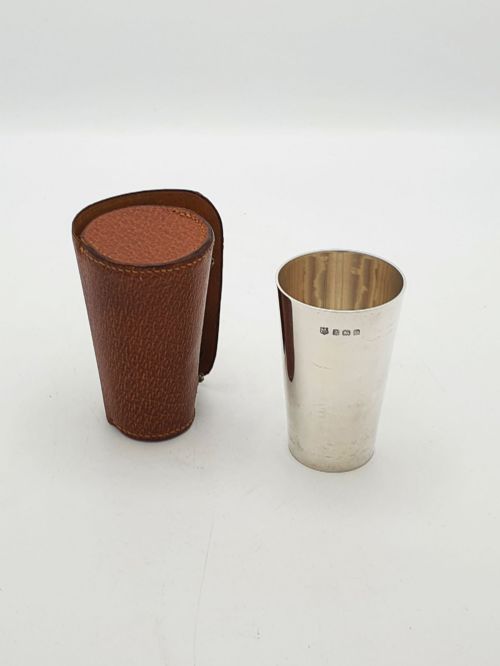
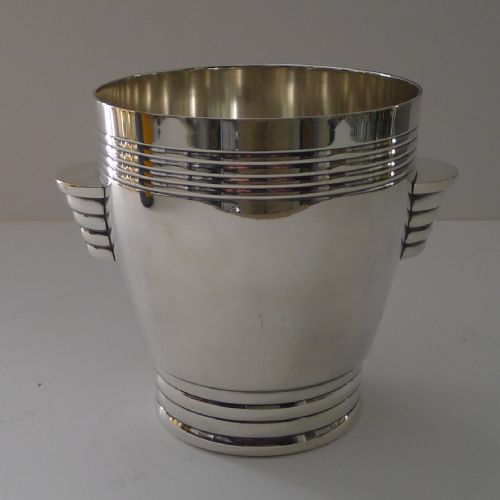
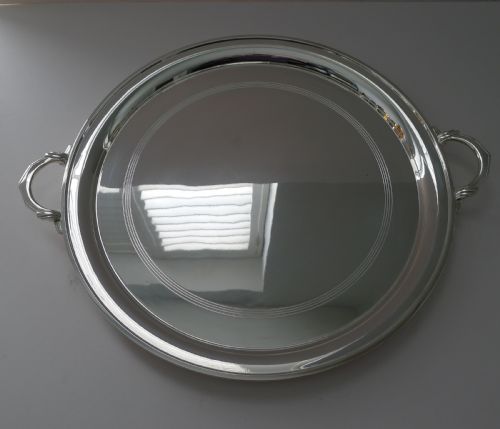
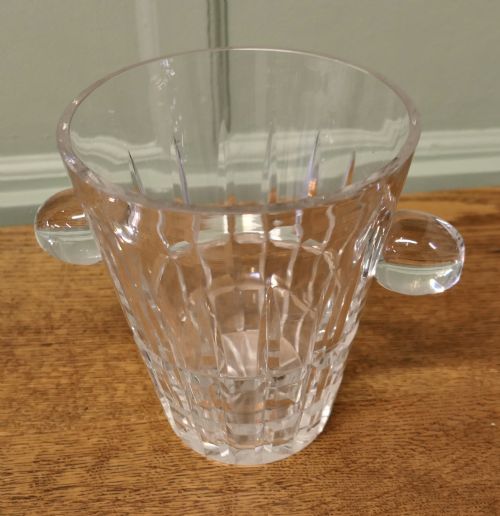
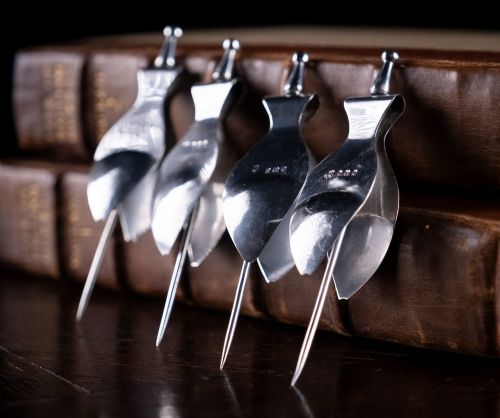
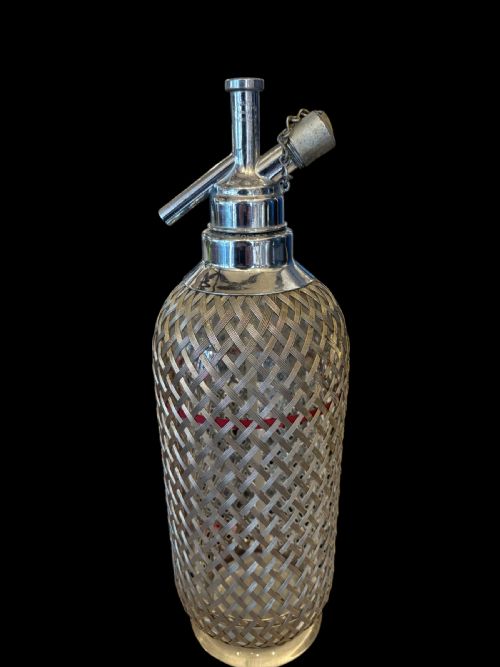
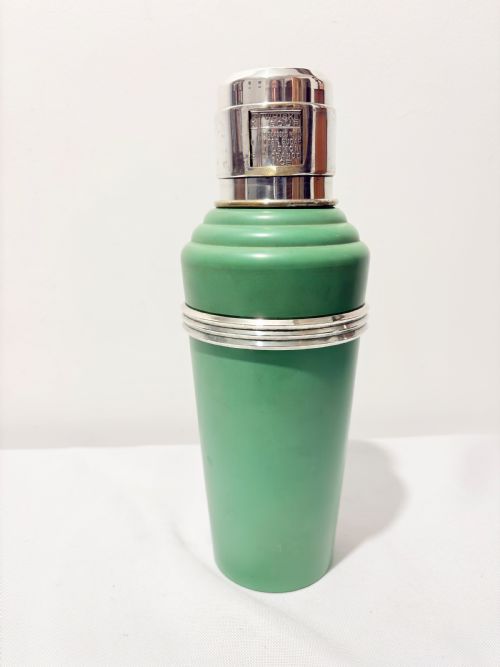
When searching for 1930s barware, collectors encounter a focused array of drinking vessels, cocktail shakers, ice buckets, and decanter sets created during the height of the Art Deco movement. These items range from sleek, utilitarian metal shakers to elaborate glass liqueur services complete with matching sets of glasses and trays.
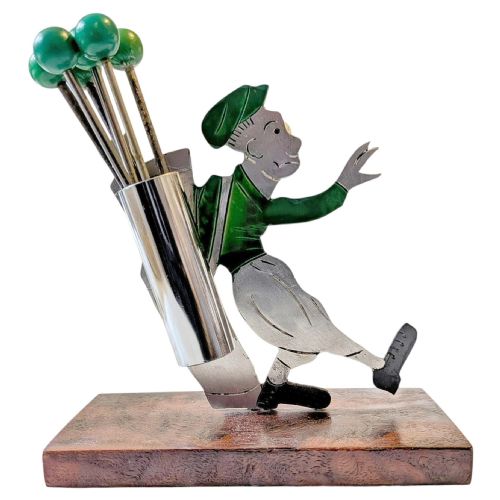
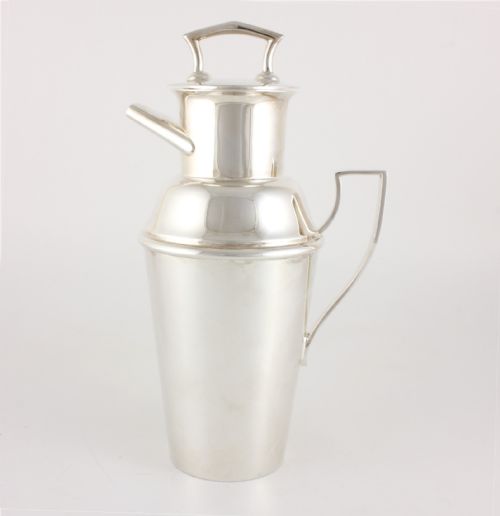
The objects frequently take on architectural forms or playful novelty designs, such as cocktail stick sets depicting comical figures or shakers modelled after milk churns and streamlined flasks. Most pieces originate from English and French makers, alongside continental European workshops working in silver plate, chrome, and crystal.
Materials and construction
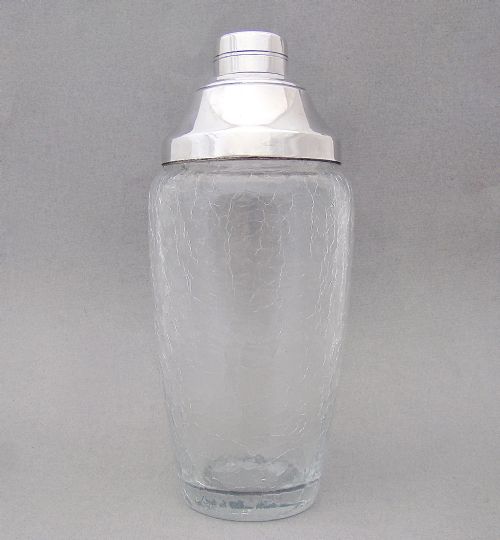
Makers utilised a combination of traditional silversmithing and emerging industrial materials, pairing electroplated nickel silver and sterling silver with moulded glass, crackle glass, and colourful enamel. Chrome and Bakelite also appear as defining elements of the period, reflecting a shift toward modern manufacturing techniques.
Surface decoration relies heavily on engine-turning, hand-cutting on crystal, and geometric silver mounts. Metal components are often soldered or spun to achieve the clean cylindrical or multi-sided profiles characteristic of the style.
Listings feature items spanning the 1920s to the 1940s, executed primarily in silver plate, crystal, and metal.
Assessing craftsmanship and execution
The distinction between standard commercial output and finer examples rests on the weight of the metal, the crispness of any engine-turned patterning, and the clarity of the glass. Heavier silver plating and robust construction distinguish pieces intended for rigorous use from lighter, purely decorative alternatives.
Attribution to known designers or prominent silversmiths elevates certain vessels, particularly where custom mounts or complex multi-piece novelty configurations demonstrate superior metalwork and engineering.
Keith Murray for Mappin & Webb·Asprey & Co·Richard Comyns·Val Saint Lambert·J B Chatterley & Sons·Hukin & Heath·William Suckling·C S Green & Co·Elkington
The 1930s Barware Glossary
- Art Deco
- A design style characterised by sleek geometric shapes, streamlined forms, and modern industrial materials that dominated the interwar period. It influences the sharp angles and linear motifs found across these drinking vessels.
- Electroplated Nickel Silver
- A base metal alloy of copper, nickel, and zinc coated with a layer of silver through an electrolytic process. It provided a durable and affordable alternative to solid sterling silver for domestic items.
- Engine-turned
- A mechanical technique for engraving intricate geometric patterns into metal surfaces using a lathe. This treatment adds texture and reduces the visibility of surface wear.
- Tantalus
- A locking wooden or metal frame that holds decanters securely while displaying their contents, preventing access without a key. The design originated in the Victorian era but continued to be produced in modern modernist configurations.
1930s Barware: Frequently Asked Questions
How do I clean antique silver plated barware?
Wash silver plated items gently in warm soapy water using a soft cloth, avoiding abrasive pads that can strip the thin silver layer.
Dry thoroughly immediately afterwards with a lint-free cloth to prevent water spots and tarnishing.
Can I still use these cocktail shakers today?
Most metal shakers with secure lids function adequately for mixing drinks, provided the interior linings remain intact and clean.
Glass and crystal vessels should be inspected for structural stability before handling liquids.
What defines an Art Deco decanter set?
These sets typically consist of a central decanter accompanied by a matching group of small glasses, often arranged on a fitted tray.
The glassware frequently incorporates geometric cutting, coloured glass bodies, or contrasting metal mounts.
How can I tell if a piece is from the 1930s?
Authentic pieces usually display specific material combinations like chrome and Bakelite, alongside hallmarks or maker marks associated with interwar manufacturing.
The prevalence of streamlined silhouettes and specific stylistic motifs also points directly to this decade.