




1930s Bar Cabinet
A 1930s bar cabinet brings serious period glamour to a room, offering clever storage for bottles and glassware.
1930s Bar Cabinet
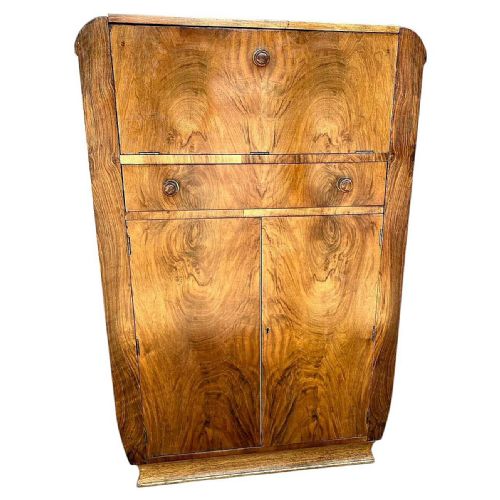
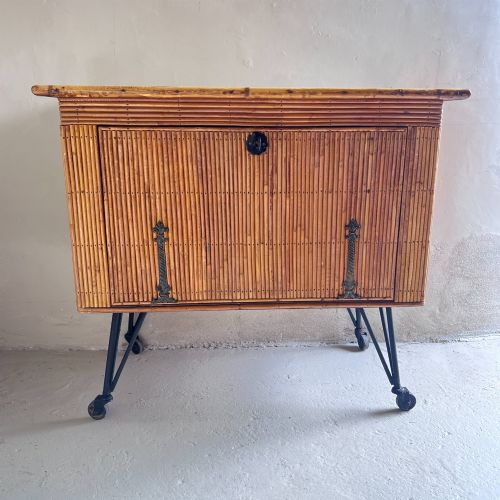
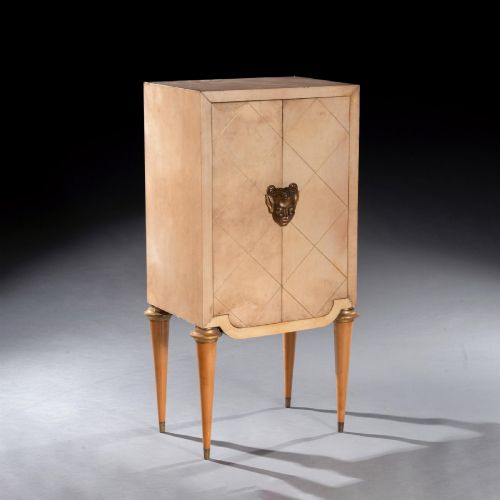
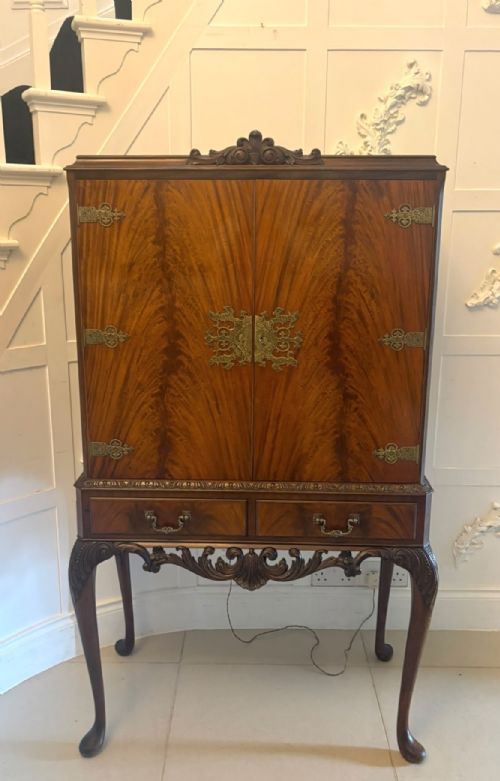
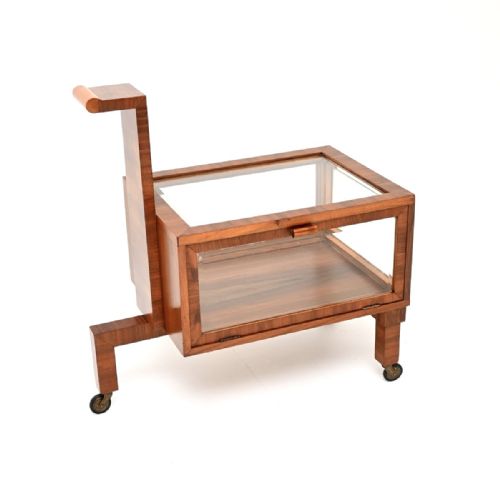
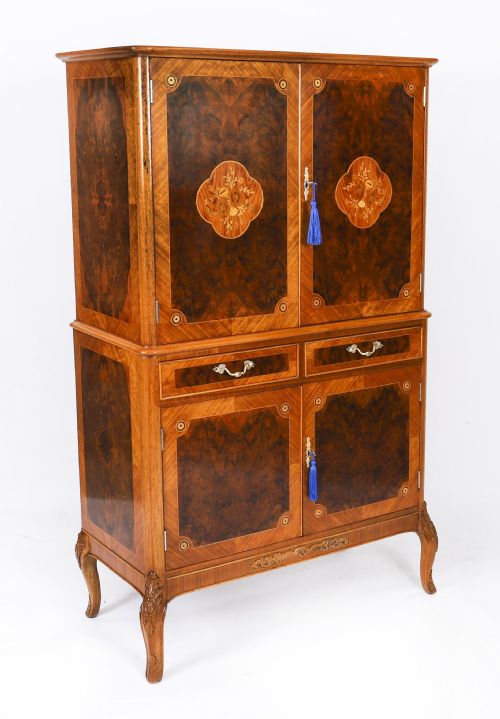
When people search for a 1930s bar cabinet, they generally encounter dedicated cocktail cabinets, drinks cabinets, and mobile serving carts designed to host evening entertaining in style. These pieces span the Art Deco, French Art Deco, and Queen Anne Revival styles, reflecting the sophisticated design ethos of the interwar period.
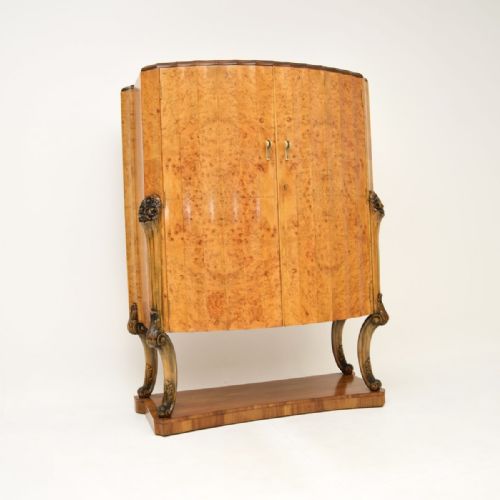
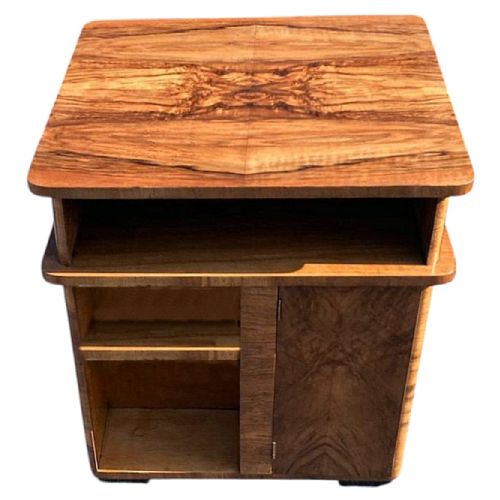
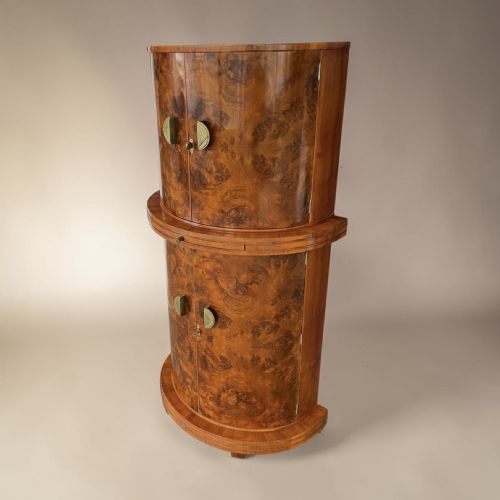
The version most commonly met on this page is the walnut or burr walnut cocktail cabinet, often standing on a supportive base or legs, featuring fitted interior compartments for glasses and bottles. Alongside these upright cabinets, listings frequently include bar carts, trolleys, and metamorphic tables that transform to serve drinks.
Originating largely from English and French workshops, these items capture the shifting social habits of the early twentieth century, where home entertaining became an art form. The forms range from compact side tables to imposing illuminated cabinets with dedicated spaces for spirit decanters and cocktail shakers.
Materials and construction methods
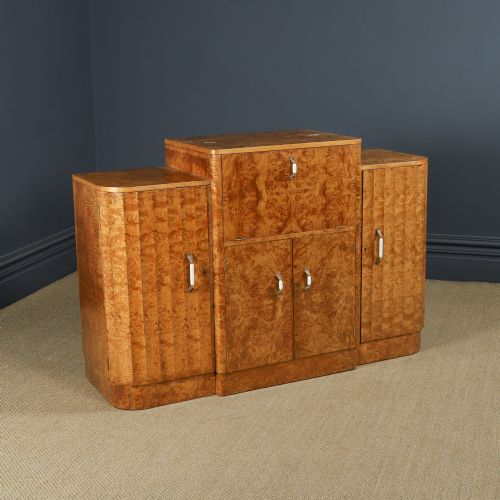
Cabinet makers utilised striking exotic timbers like burr walnut, bird's-eye maple, satinwood, and burr amboyna, sliced into thin veneers to create symmetrical grain patterns across the front doors. These decorative wooden surfaces are frequently paired with contrasting materials such as brass fittings, mirrored glass backings, chrome accents, and parchment inlays.
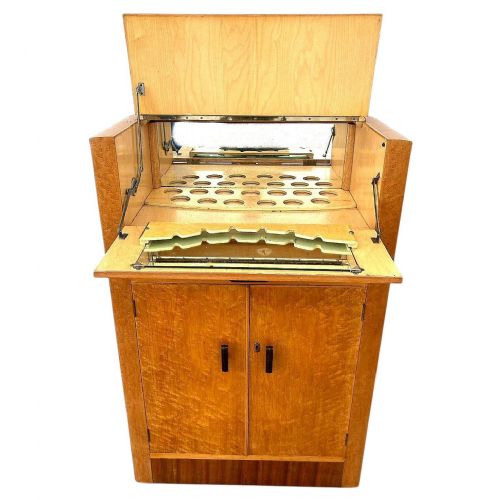
The internal architecture of these pieces often involves specialised joinery to accommodate drop-down serving flaps, pull-out slides, and clever mechanical pop-up mechanisms. Structural integrity relies on solid secondary woods like oak and mahogany, ensuring the heavy veneer work and internal glass shelving remain stable over decades of use.
Some cabinets hide ingenious mechanical pop-up trays that present your glassware to you like a polite butler waking from a nap.
Defining quality in interwar drinks furniture
Quality rests significantly on the selection and matching of wood veneers, where symmetrical grain alignment across cabinet doors demonstrates superior craftsmanship by the maker. The complexity of the internal fittings, such as integrated lighting, mirrored display niches, and smooth mechanical actions, further separates standard production from exceptional work.
The reputation of the workshop or maker heavily influences the standing of a piece, with documented items bearing maker attributions holding distinct pedigree. Additionally, the preservation of original hardware, glass panels, and internal mirrors without modern replacement indicates a higher standard of overall survival.
Epstein·Harry and Lou Epstein·Maurice Jallot·Maurice Adams·Hille·Incorporall
The 1930s Bar Cabinet Glossary
- Burr walnut
- A figured wood grain taken from the burl growth of a walnut tree, producing swirling patterns highly prized for cabinet doors.
- Art Deco
- A design movement prevalent in the 1920s and 1930s characterised by sleek geometric shapes, stylised motifs, and modern industrial materials.
- Veneer
- A thin layer of choice wood glued to a base panel of lesser quality timber to provide an ornamental exterior surface.
- Metamorphic
- Describing furniture designed to transform its shape or function through folding, sliding, or rising mechanisms.
- Chinoiserie
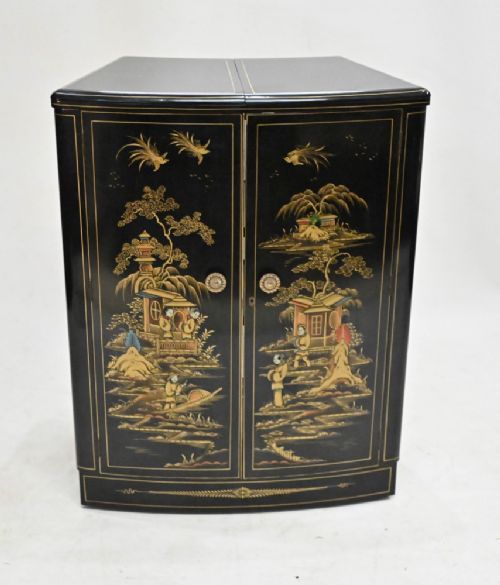
- European decorative art imitating Chinese artistic styles, often featuring hand-painted lacquer scenes on dark backgrounds.
1930s Bar Cabinet: Frequently Asked Questions
How do I care for burr walnut veneer?
Burr walnut veneer requires protection from direct sunlight and extreme humidity changes to prevent the thin wooden layers from drying out or lifting. Dust regularly with a soft, dry cloth and apply occasional specialist wax to nourish the timber surface.
Avoid placing damp glasses directly on wooden serving surfaces, using coasters to protect the vintage polish from water rings and alcohol spills.
Were these cabinets originally electrified?
Many high-end pieces from the period included internal lighting that illuminated the cabinet interior automatically when the doors opened. These electrical components used period wiring standards that require professional inspection for modern safety compliance.
Preserving the original light fittings adds authenticity, even if the internal wiring needs updating by a qualified electrician for safe home use.
How do I distinguish Art Deco from Queen Anne Revival styles?
Art Deco pieces embrace bold geometric lines, symmetrical wood veneers, and modern industrial accents like chrome and mirrored glass. Queen Anne Revival items draw on eighteenth-century motifs, featuring cabriole legs, pad feet, and more traditional carved wooden silhouettes.
While both styles appeared in interwar British and French furniture production, their aesthetic language remains distinct upon closer visual inspection.