



1920s Wooden Cupboard
A 1920s wooden cupboard delivers sturdy utility and striking grain work, offering practical storage grounded in early twentieth-century craftsmanship.
1920s Wooden Cupboard
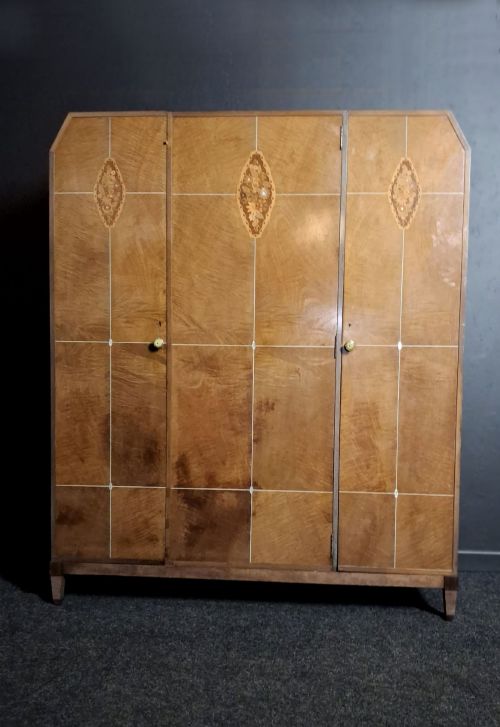
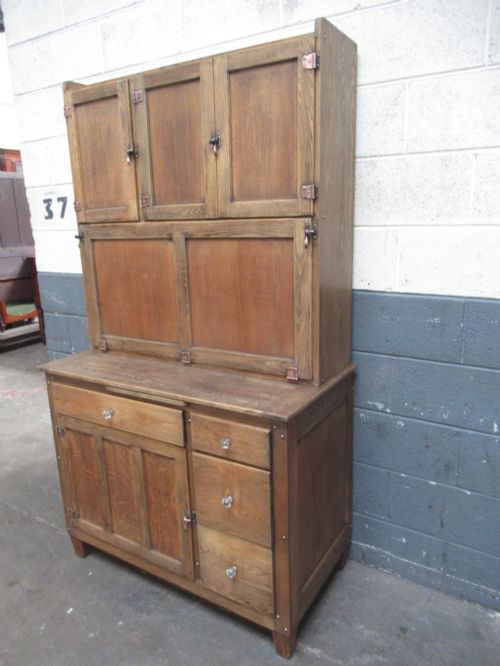
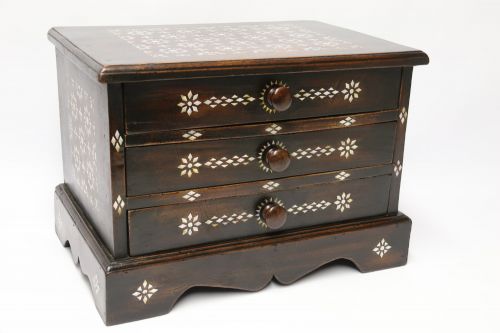
A 1920s wooden cupboard encompasses a diverse range of domestic and institutional storage forms, from bedside cabinets and tall wardrobes to countertop display cases and collector chests. These pieces emerge predominantly from the 1920 period alongside occasional 1930 examples, reflecting the functional demands of the era through solid timber construction and varied interior configurations. Buyers navigating this category encounter everything from compact oak bedside units to large burr walnut double wardrobes designed for substantial clothing storage.
Materials and construction
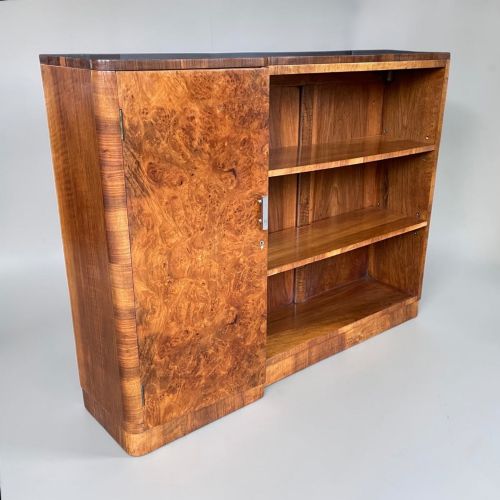
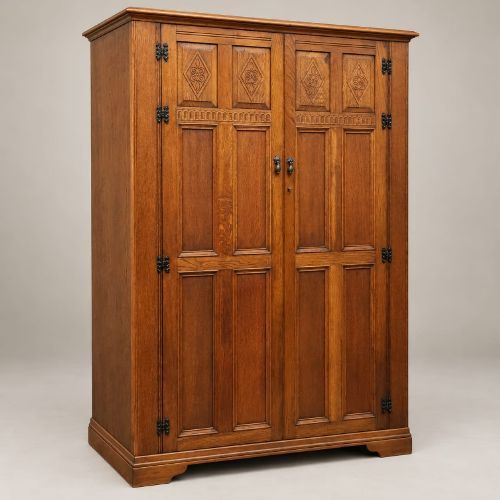
Makers utilised a deliberate selection of timbers, relying heavily on oak, mahogany, walnut, and burr walnut to achieve distinct visual textures and structural strength. Surface decoration often incorporates intricate wood grain patterns, particularly through burr walnut veneers, alongside inlaid hardwood details and carved oak panels. Metal hardware, predominantly in brass, along with glass panels and fabric accents, completes the construction of display cases and cabinet doors.
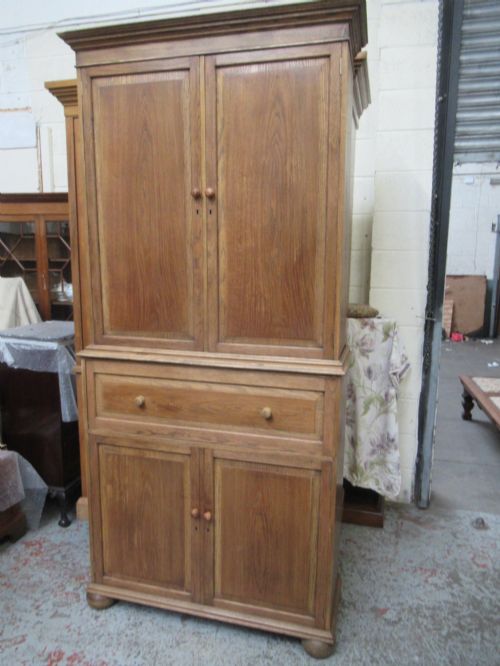
Joinery and structural methods varied according to the intended function of the piece, distinguishing domestic bedroom furniture from heavier institutional pieces. School and library cabinets prioritised robust framing in light oak, whereas high-end wardrobes and bedside cabinets employed smooth polished veneers and fitted interior compartments. The integration of carved detailing, particularly in revival styles and Arts and Crafts pieces, demonstrates a continued reliance on traditional bench joinery.
1920s Wooden Cupboard Retail Price Guide 2026
Typical asking prices for 1920s wooden cupboard among the pieces listed under this phrase on Sellingantiques today, from the lower quarter to the upper quarter. They describe what is for sale here now, not the wider market.
Folding walnut cabinets required an ingenious hinge system so owners could tuck away their storage instantly when space ran short.
Factors that separate the range
Quality in a 1920s wooden cupboard rests heavily on the selection and matching of timber veneers, particularly figured burr walnut and mahogany, against plain structural carcases. Pieces attributed to documented makers or specific regional workshops demonstrate superior handling of proportions and finer decorative detailing in carvings and inlays.
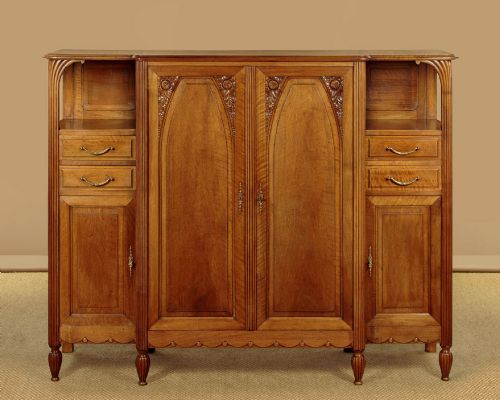
The integrity of the internal fittings, such as original shelving, hanging space, and specialised drawers in collector chests or jewellery boxes, elevates a piece above standard utility storage. Furthermore, the cohesion of stylistic movements, whether an unadorned institutional oak unit or a refined French Art Deco wardrobe, dictates the overall refinement of the construction.
Arthur Simpson·Heal's
The 1920s Wooden Cupboard Glossary
- Burr walnut
- A veneer sliced from the gnarled growths of a walnut tree, prized for its swirling, highly figured grain patterns. It frequently surfaces on high-end wardrobes and bedside cabinets from the period.
- Collector chest
- A specialised cabinet fitted with multiple shallow drawers designed for storing small items, specimens, or jewellery. These pieces often feature fine hardwood inlays and secure locking mechanisms.
- Tallboy
- A tall storage chest or wardrobe that combines vertical capacity with a relatively small footprint. This form maximises floor space while providing significant internal storage.
- Arts and Crafts
- A design movement that champions traditional craftsmanship, visible construction, and simple forms. Cabinets from this tradition often display honest oak framing and minimal surface ornamentation.
- Art Deco
- A prominent style of the 1920s and 1930s characterised by sleek geometric lines, stylised motifs, and luxurious materials. Pieces adhering to this aesthetic emphasise streamlined elegance.
1920s Wooden Cupboard: Frequently Asked Questions
What defines a 1920s wooden cupboard?
These pieces represent the domestic and institutional storage furniture produced during the 1920s and early 1930s. They encompass a wide variety of forms, including wardrobes, bedside cabinets, and display cases.
Built primarily from timbers like oak, mahogany, and walnut, they reflect the functional needs and design shifts of the interwar period, incorporating styles from Arts and Crafts to Art Deco.
How do I identify Art Deco pieces?
Art Deco pieces from this era typically feature clean geometric lines, symmetrical arrangements, and smooth polished surfaces. They often utilise striking veneers such as burr walnut to create visual impact without relying on heavy carving.
These designs emerged more prominently toward 1930, contrasting with the heavier revival styles and simpler institutional oak furniture from the earlier part of the decade.
Where were these cupboards used originally?
They served multiple environments, ranging from private bedrooms and drawing rooms to school libraries and institutional offices. Smaller cabinets functioned as bedside storage or countertop displays for retail.
Larger wardrobes and collector chests were domestic staples designed to organise clothing, linens, and personal valuables in private homes.
How do I care for a walnut finish?
Walnut and burr walnut surfaces benefit from gentle dusting with a soft, dry cloth to prevent micro-scratching. Avoiding direct sunlight and sustained heat sources preserves the rich tone of the timber and the stability of the veneers.
Applying occasional appropriate wax polish helps maintain the lustre of the wood without building up heavy residue on the polished grain.