



1920s Wooden Chair
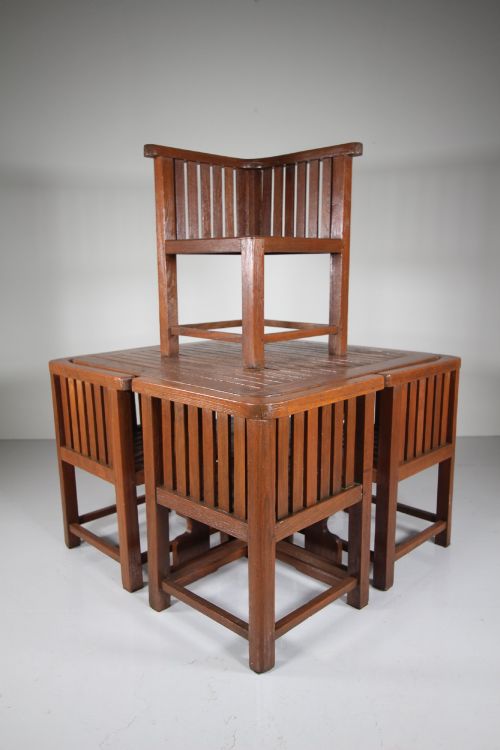
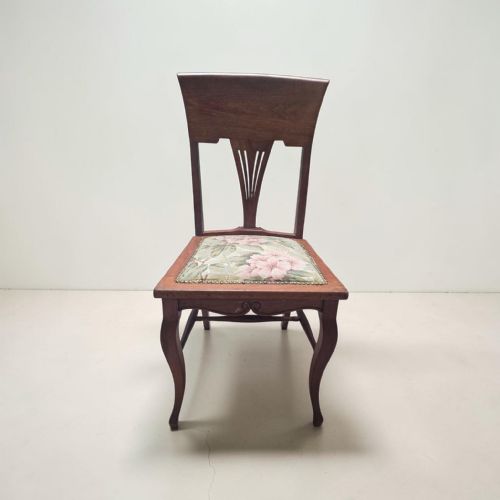
These 1920s wooden chair options span dining sets, swivel desk seats and deep armchairs, offering sturdy domestic utility with period character.
1920s Wooden Chair
A 1920s wooden chair represents a practical piece of household furniture from the early twentieth century, spanning dining rooms, offices and libraries. Buyers searching this phrase encounter diverse forms ranging from solid oak dining sets to revolving desk chairs and low rocking seats.
How they were made
Carpenters constructed these chairs using sturdy timbers such as oak, beech, mahogany, elm, teak, ash and bentwood. Frames often incorporated secondary elements of brass, iron and cane to reinforce stress points or create decorative split cane backs.
Seating surfaces frequently utilised traditional upholstery methods, combining fabric or green leather pads with rush seating or polished wooden panels. Revolving desk models integrated metal swivel mechanisms beneath wooden seats for functional office use.
1920s Wooden Chair Retail Price Guide 2026
Typical asking prices for 1920s wooden chair among the pieces listed under this phrase on Sellingantiques today, from the lower quarter to the upper quarter. They describe what is for sale here now, not the wider market.
Several chairs allow you to swivel away from dull conversations with absolute mechanical ease.
What varies in quality
The distinction between standard utility seating and finer examples rests upon timber selection and the integrity of the joinery. Chairs utilising dense hardwoods like oak and mahogany retain structural rigidity better over decades of daily use than lighter beech or ash alternatives.
Refinement in stylistic details, such as carved ladder backs, bergere split cane panels and upholstered leather finishes, separates utilitarian kitchen seating from sophisticated library and dining room pieces.
The 1920s Wooden Chair Glossary
- Bergere
- A closed-arm upholstered armchair with a wooden frame, often featuring woven cane panels on the back and sides. This style provides a lighter visual appearance than fully padded upholstered alternatives.
- Bentwood
- Wood softened through steaming and then bent into curved structural forms under pressure. This technique allows manufacturers to create flowing frames without traditional corner joints.
- Ladder back
- A chair back featuring multiple horizontal wooden slats resembling the rungs of a ladder. This traditional form appears frequently in regional kitchen and dining seating.
- Revolving chair
- A seat mounted on a central swivel pivot that allows the user to rotate without moving the base. Office and library variants often combine this mechanism with adjustable height functions.
1920s Wooden Chair: Frequently Asked Questions
How do I identify a 1920s wooden chair?
Examine the construction methods, timber types and stylistic markers present in the frame. Pieces from this era often blend Edwardian Arts and Crafts practicality with early Art Deco or revival influences.
Check for characteristic materials such as oak, beech or bentwood, alongside hardware like iron swivel mechanisms. Maker details or period retail stamps underneath the seat can also confirm the date.
Are these chairs suitable for daily dining use?
Many of these pieces were originally built for dining rooms, kitchens or offices and remain fully functional for everyday seating. Solid wood construction in oak, mahogany and elm provides lasting stability.
Check the joints and cane or leather upholstery before regular use. Sturdy frames easily support daily modern living when placed on level floors.
What is the difference between side chairs and armchairs?
Side chairs feature a backrest and seat without armrests, designed primarily to tuck neatly beneath dining tables or slide against walls. They offer a compact footprint for tighter spaces.
Armchairs include integrated arm supports for enhanced comfort, making them suited for desks, reading corners or lounge settings. Their wider frames require more floor space in a room.
How do I care for antique leather and wood?
Maintain wooden surfaces by dusting regularly with a dry cloth and applying occasional beeswax to nourish the grain. Avoid placing pieces near direct heat sources to prevent timber splitting.
Treat leather elements with specialised conditioner to keep the material supple and prevent cracking. Keep upholstery away from prolonged direct sunlight to preserve the original colour.