

1920s Storage Cabinet
A 1920s storage cabinet brings together functional domestic utility and the striking decorative ambition of the interwar period.
1920s Storage Cabinet
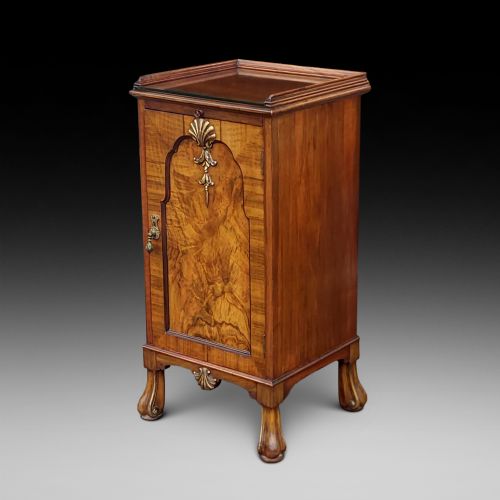
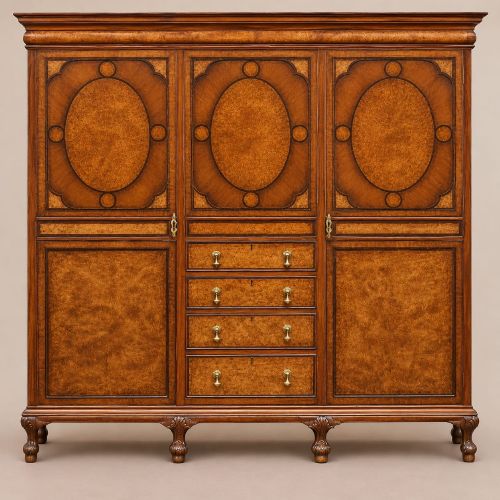
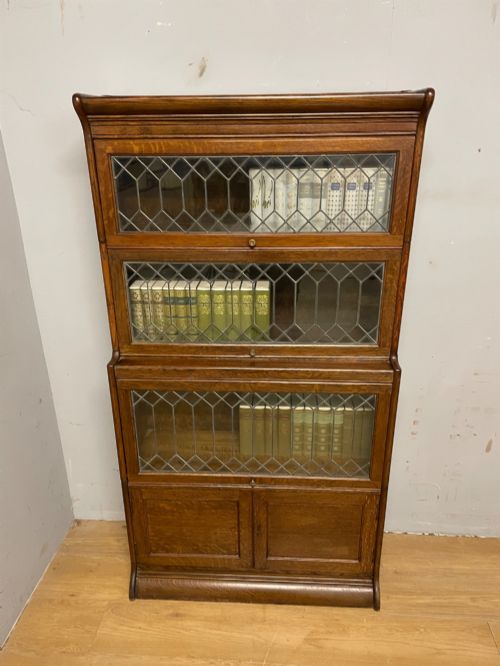
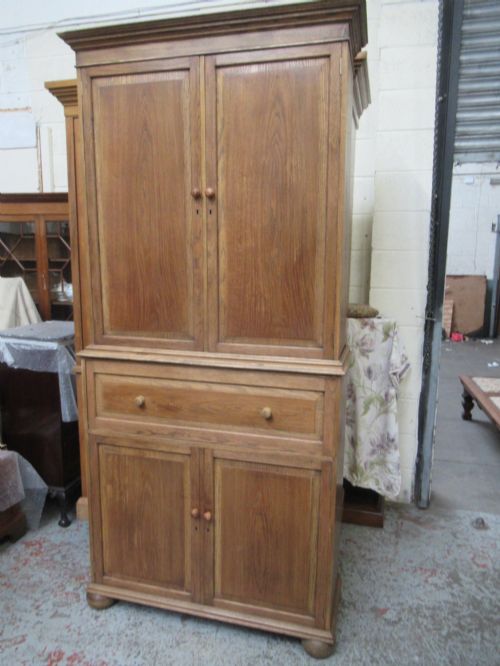
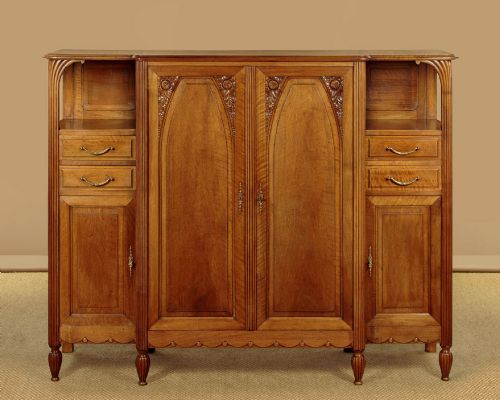
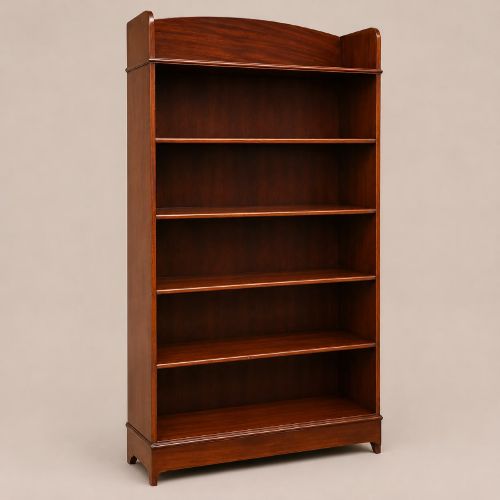
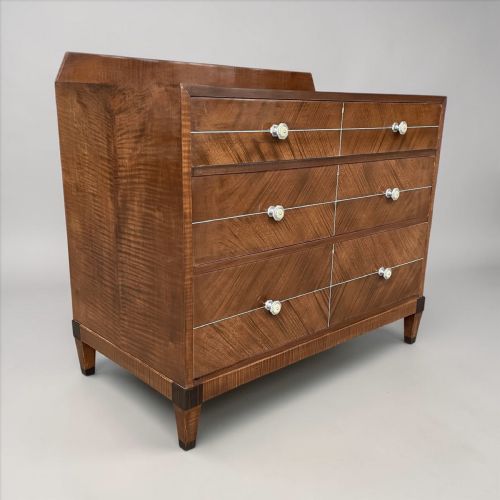
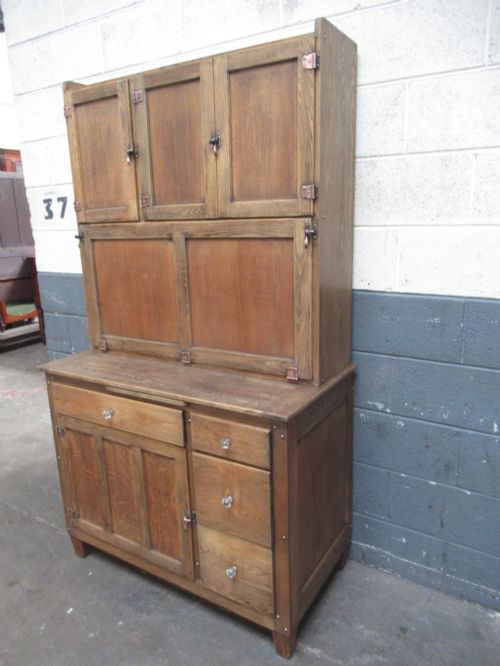
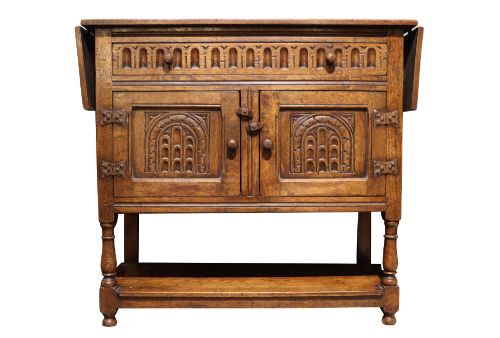
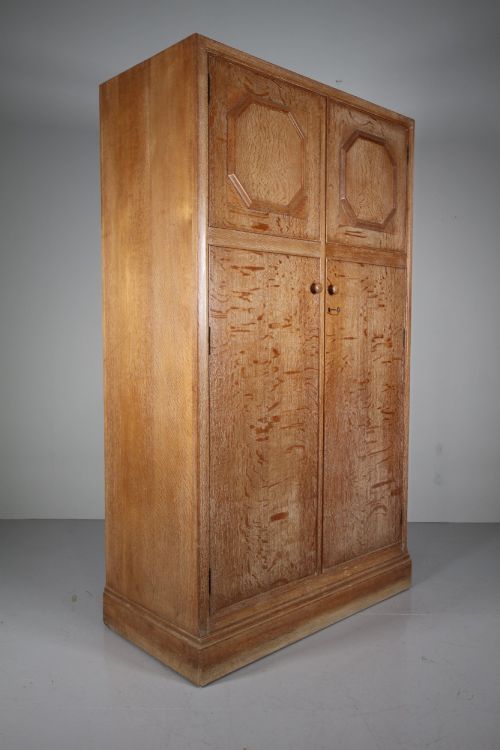
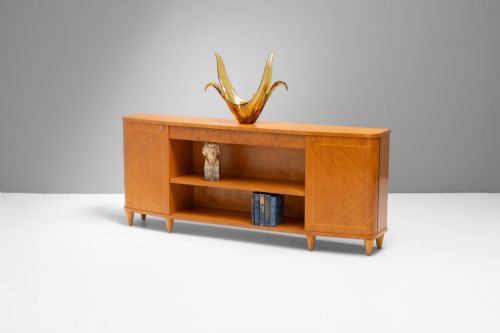
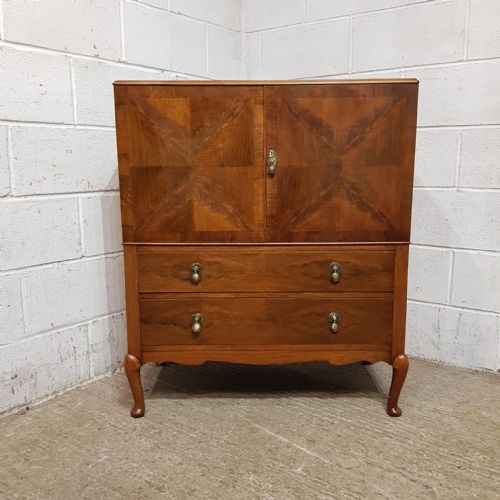
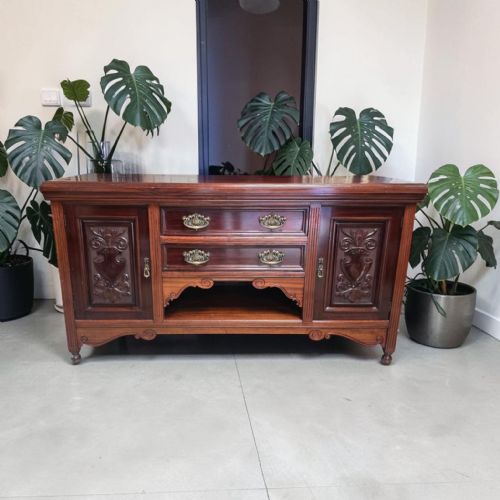
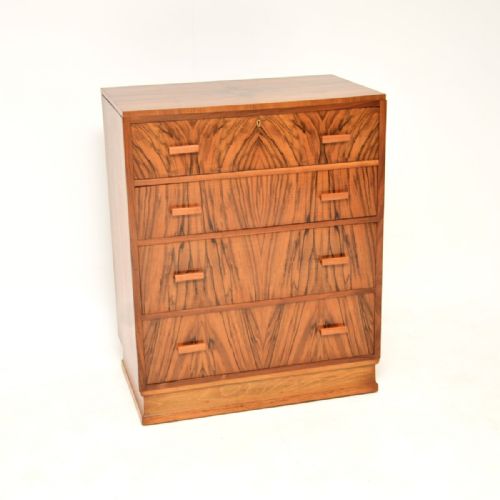
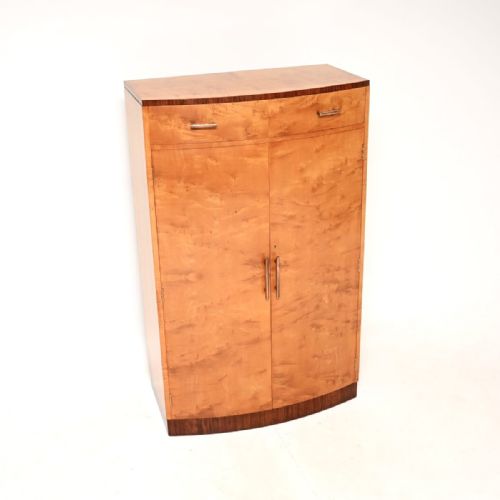
When you examine a 1920s storage cabinet, you encounter a diverse range of furniture forms spanning wardrobes, tallboys, sideboards, bedside units, and cocktail cabinets. The selection mirrors the domestic requirements of the 1920 and 1930 decades, combining traditional forms with modernist leanings.
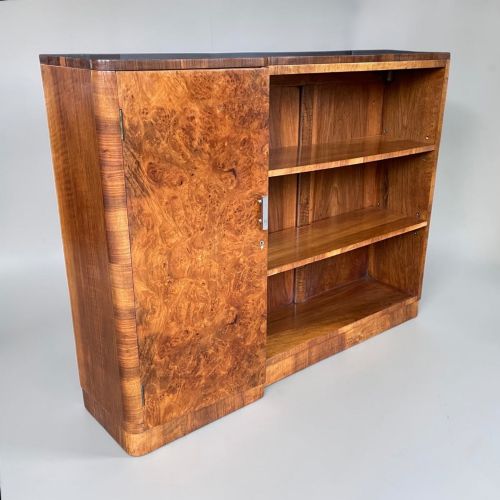
You are most likely to meet burr walnut and figured walnut examples executed in the Art Deco style, alongside revival pieces referencing Jacobean, Queen Anne, and Georgian aesthetics. Industrial and workshop pieces in metal, wrought iron, and oak also appear among the domestic items.
The objects range from compact bedside cabinets and chests of drawers to large compactum wardrobes and fitted storage units. This variety shows how makers adapted traditional storage typologies to suit changing interior tastes across Britain and continental Europe.
How they were made
Carpenters and cabinet makers utilised solid timbers alongside extensive veneering techniques, laying highly figured burr walnut and satin birch over stable secondary woods. Traditional joinery methods such as dovetailing on drawers underpin these interwar constructions.
Metal elements including brass hardware, wrought iron frames, and marble tops appear on industrial and continental examples. Finishes varied from polished wood surfaces to limed treatments on oak and retained original paint on workshop pieces.
1920s Storage Cabinet Retail Price Guide 2026
Typical asking prices for 1920s storage cabinet among the pieces listed under this phrase on Sellingantiques today, from the lower quarter to the upper quarter. They describe what is for sale here now, not the wider market.
Several workshop cabinets retain original factory paint remnants, suggesting they spent their previous decades dodging grease spots in busy interwar engineering yards.
What varies in quality
Quality separates through the selection and matching of wood veneers, particularly the grain continuity across drawer fronts and cabinet doors. Fine cabinet makers aligned burr walnut figures symmetrically to create balanced decorative patterns.
The distinction between standard commercial production and superior workshops shows in internal fittings, such as specialised drawers in tallboys and fitted compartments in cocktail cabinets. Maker attribution to firms like Heal's or Waring & Gillow marks distinctive manufacturing standards.
M. D. Miller & Sons·Heals of London·Heal's·Waring S Gillows·Epstein
The 1920s Storage Cabinet Glossary
- Compactum
- A multi-compartment wardrobe designed to hold various types of clothing in one combined unit. It typically incorporates hanging space alongside internal drawers and shelving.
- Tallboy
- A case piece of furniture that stacks a chest of drawers upon another chest to achieve greater height. These units maximise vertical storage floor space.
- Burr walnut
- A prized timber veneer sourced from the growth warts of walnut trees, yielding turbulent and swirling grain patterns. Cabinet makers selected it for decorative exterior surfaces.
- Swedish Grace
- A refined Scandinavian architectural and design style that bridged neoclassical restraint and early modernism during the 1920s. It emphasised elegant proportions and subtle detailing.
- Filing cabinet
- An office storage unit with deep drawers intended for document organisation, often constructed in metal or oak during the industrial period.
1920s Storage Cabinet: Frequently Asked Questions
What is a compactum wardrobe?
A compactum wardrobe is a combined storage unit that integrates hanging space, shelving, and internal drawers within a single carcass. It was designed to organise diverse apparel efficiently in interwar bedrooms.
These pieces often feature clever internal configurations behind paired doors, sometimes splitting the interior into distinct sections for different garments.
How do I identify Art Deco cabinets?
Art Deco cabinets display symmetrical geometric forms, stepped outlines, and rich veneer surfaces like burr walnut and satin birch. They often dispense with excessive carved ornamentation in favour of clean architectural lines.
Looking closely at the grain patterns and the integration of hardware helps distinguish these 1930 designs from earlier revival styles.
Where were cocktail cabinets used?
Cocktail cabinets served as dedicated furniture for entertaining guests in domestic living rooms and dining spaces during the interwar period. They provided specialised storage for bottles, glassware, and mixing accessories.
Interiors often included mirrored back panels and pull-down serving slides designed for drink preparation.
What is limed oak?
Limed oak is a wood treatment that applies a white or pale pigment into the open grain of oak timber. This technique lightened the natural brown tone of the wood to suit contemporary tastes.
Packs of furniture from this era frequently employed this finish to create a softer, more luminous surface texture.
How do revival styles differ from Art Deco?
Revival styles copy historical aesthetics from periods like the Jacobean, Queen Anne, or Georgian eras, incorporating traditional elements like linenfold carving or serpentine drawer fronts. Art Deco focuses on modern geometry and sleek veneering.
Comparing the decorative vocabulary on the exterior surfaces clarifies whether a piece looks backward to historical precedents or embraces interwar modernity.