



1920s Silver Tableware
These pieces of 1920s silver tableware bring the distinct geometry of Art Deco and George V dining rooms directly to your modern table.
1920s Silver Tableware
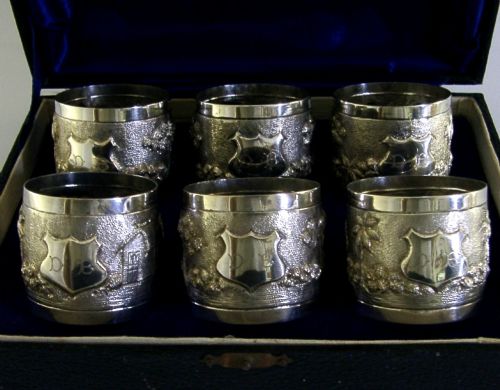
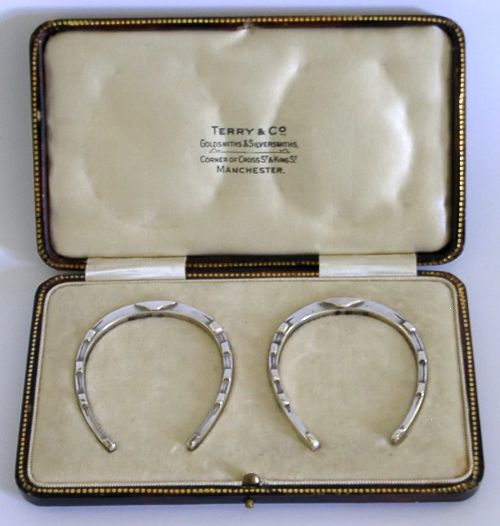
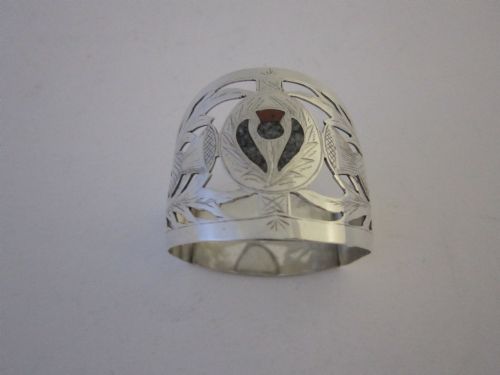
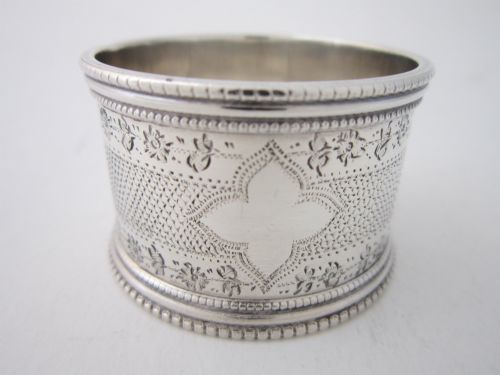
When you search for 1920s silver tableware, you encounter functional items designed for the dining table during the George V era and the emerging Art Deco period. These objects encompass everything from individual napkin rings to elaborate condiment stands and preserve pots.
You are most likely to meet napkin rings and condiment sets on this page, often combining sterling silver or silver plate with cut glass, agate, and ceramic elements. The selection ranges from plain domestic pieces to whimsical forms such as apple-shaped jam pots and pagoda mustard pots.
How They Were Made
Maker's workshops employed traditional smithing techniques alongside modern industrial methods, creating solid sterling silver pieces as well as silver-plated items over base metals. Hammered surfaces show direct hand-working, whilst cast components offer sharper geometric definition characteristic of the era.
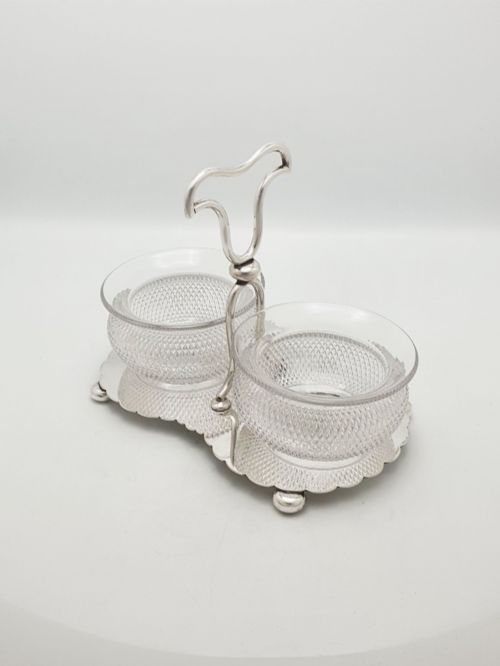
Many items incorporate functional glass elements, featuring cut glass bottles, faceted jars, and twin glass bowls secured within plated or solid silver stands. Specialised accessories also integrate organic materials like agate alongside textiles such as silk, velvet, and leatherette within fitted presentation cases.
1920s Silver Tableware Retail Price Guide 2026
Typical asking prices for 1920s silver tableware among the pieces listed under this phrase on Sellingantiques today, from the lower quarter to the upper quarter. They describe what is for sale here now, not the wider market.
Some diners in the 1920s required specialised lobster picks and pagoda mustard pots to navigate their evening meals with proper architectural flair.
What Varies in Quality
The distinction between standard domestic tableware and finer commissions rests largely on the weight of the metal and the complexity of the design. Heavier sterling silver pieces demonstrate greater material substance than silver-plated equivalents, though fine plating houses maintained rigorous standards of durability.
Artistic ambition also separates mass-produced items from distinctive workshop designs, such as hammered surfaces bearing specific maker marks or playful figural creations like apple preserve pots and pagodas. The integration of decorative secondary materials, including inset agate or heavy faceted cut glass, elevates the overall execution.
ALBERT EDWARD JONES·Hukin and Heath·Harrods·ELKINGTON AND COMPANY
The 1920s Silver Tableware Glossary
- Sterling silver
- A silver alloy containing 92.5 percent pure silver and 7.5 percent other metals, usually copper, ensuring durability for daily dining use.
- Silver plate
- A base metal foundation coated with a thin layer of pure silver, offering the bright appearance of solid silver at a more accessible production cost.
- Art Deco
- A design style characterised by sleek geometric shapes, streamlined forms, and modern motifs that came to prominence during the 1920s.
- George V
- The British royal reign spanning from 1910 to 1936, defining the traditional manufacturing style and assay office hallmarks found on these pieces.
- Cut glass
- Glassware shaped and patterned by abrasive wheel cutting, frequently paired with silver mounts in condiment sets and biscuit barrels.
1920s Silver Tableware: Frequently Asked Questions
How do I clean 1920s silver tableware?
Use a specialised silver cloth or mild polish designed for sterling silver, taking care to avoid harsh abrasives that might wear away silver plating or scratch integrated glass elements.
Store pieces in dry conditions, and keep velvet or silk lined presentation cases away from damp environments to preserve the fabric.
Are these items safe for daily use?
Most condiment jars, napkin rings, and preserve pots remain entirely functional for contemporary dining, provided they are hand-washed promptly after use.
Avoid putting silver-plated items, cut glass, or pieces containing agate and delicate linings into an automatic dishwasher.
How can I date 1920s tableware accurately?
British sterling silver items typically bear hallmarks stamped directly into the metal, indicating the assay office, standard mark, and a specific date letter corresponding to the year of manufacture.
Silver-plated pieces rely on maker marks, retailer stamps, and stylistic cues such as Arts and Crafts hammering or early Art Deco geometry.
What is the difference between solid silver and plated pieces?
Solid sterling silver consists of the same precious metal throughout its structure, maintaining its intrinsic value and composition across decades of polishing and handling.
Silver-plated items feature a durable outer layer of silver over a supportive base metal core, often produced by prominent manufacturing firms for everyday household dining.