

1920s Silver Jewellery
These pieces of 1920s silver jewellery combine geometric forms with brilliant stones, offering the enduring geometry and bright metalwork that collectors prize.
1920s Silver Jewellery
When you search for 1920s silver jewellery, you are looking at rings, brooches, earrings, necklaces, and pendant sets shaped by the dominant aesthetics of the period. The selection includes striking Art Deco geometric works, Egyptian Revival motifs, and expressive Arts and Crafts designs.
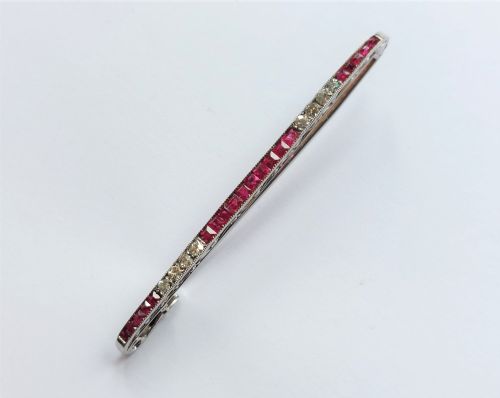
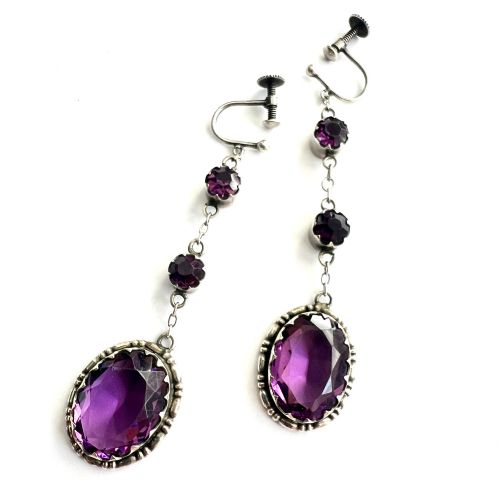
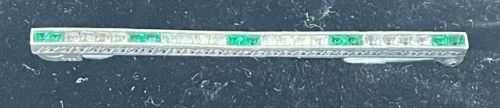
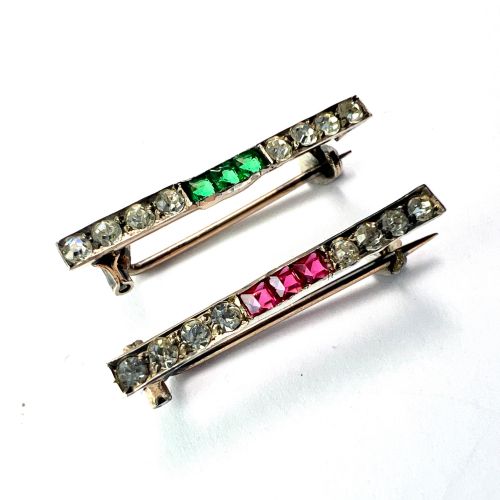
The pieces you will most commonly encounter on this page lean heavily into the Art Deco style, frequently rendered in sterling silver and continental silver. These items range from delicate screwback earrings and bar brooches to substantial necklaces, charm-laden watch chains, and complete jewellery sets.
Beyond standard dress pieces, the inventory reaches into specialised items such as dressing table trinket boxes, propelling pencil pendants, and sporting medals. The materials span from classic gemstones to accessible alternatives, capturing a broad spectrum of adornment from the era.
How they were made
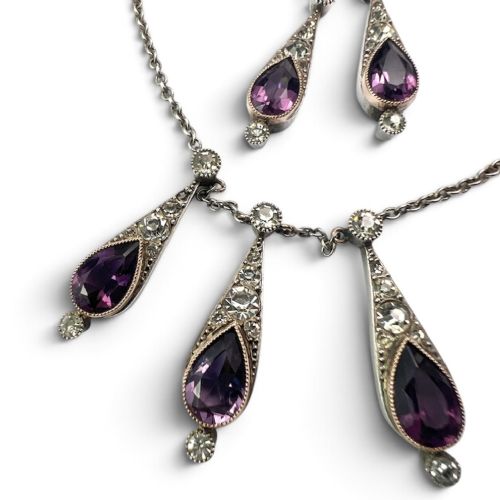
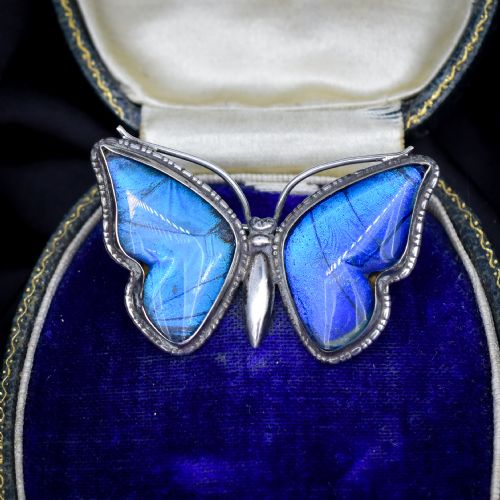
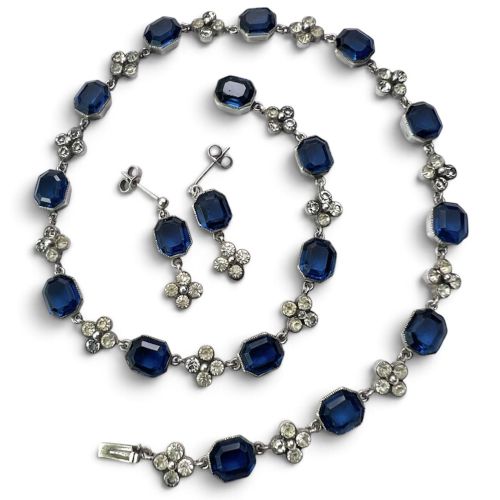
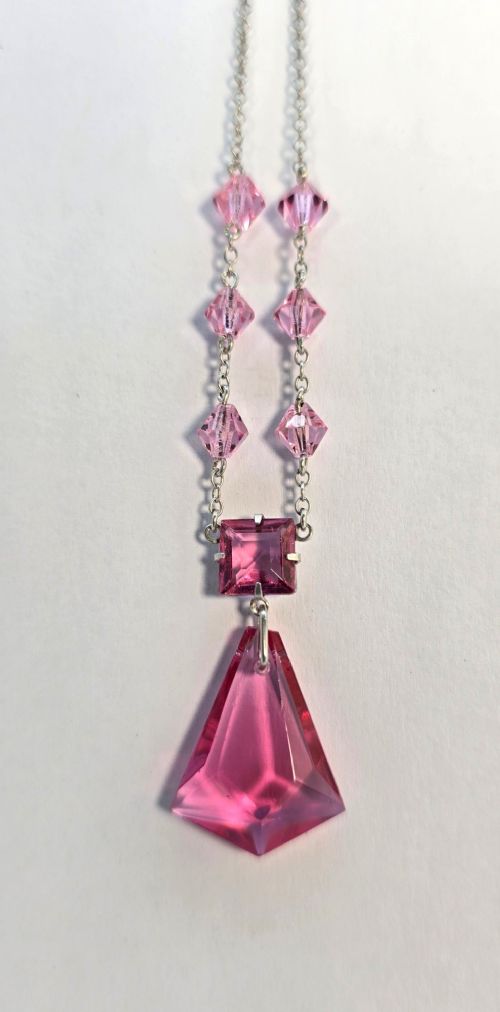
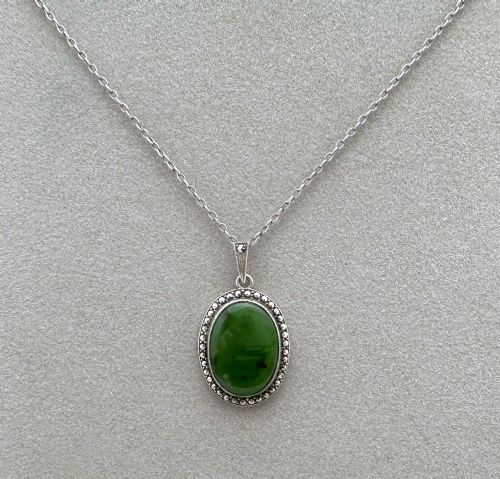
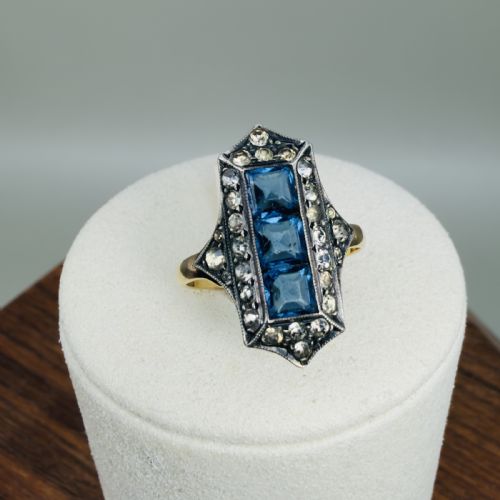
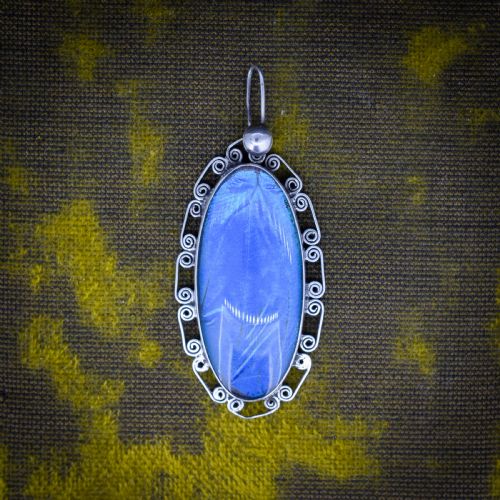
Makers utilised solid silver and sterling silver alongside platinum frames, mounting diamonds, paste glass, marcasite, and synthetic stones. Coloured elements like amethyst, jade, onyx, chalcedony, chrysoprase, and amazonite appear set directly into the metalwork alongside delicate glass and shimmering butterfly wings.
Techniques relied on precise hand-cutting of crystal, guilloche enamel work, and detailed metal settings to house pavé stones and clustered gems. Master hands shaped structural platinum fringe necklaces, flexible slave bangles, and intricate filigree or bar brooch pins.
Listings feature silver alongside platinum, diamond, glass, marcasite, and butterfly wing across the Art Deco, George V, Egyptian Revival, and Arts and Crafts styles.
What varies in quality
The calibre of a piece rests on the crispness of its metal cutting and the security of its stone settings, whether dealing with high-carat diamonds in platinum or paste glass in silver. Superior items display clean lines, well-matched stones, and intact enamel or butterfly wing panels without fading.
Design complexity and maker attribution elevate certain works, distinguishing standard production items from signed pieces by known creators like Thomas L Mott or Knoll and Pregizer. The integration of rarer materials, such as genuine nephrite jade or substantial diamond carat weights, dictates the upper tier of the range.
Knoll and Pregizer·Thomas L Mott
The 1920s Silver Jewellery Glossary
- Marcasite
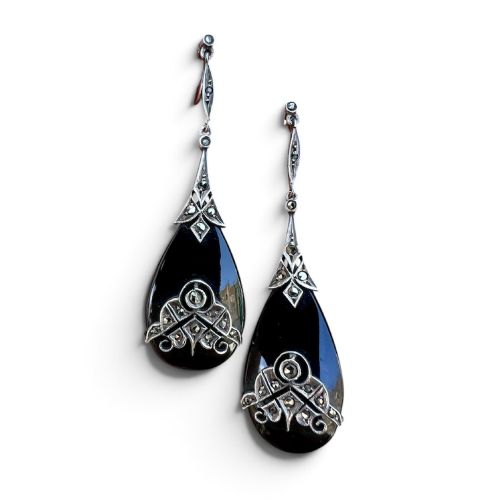
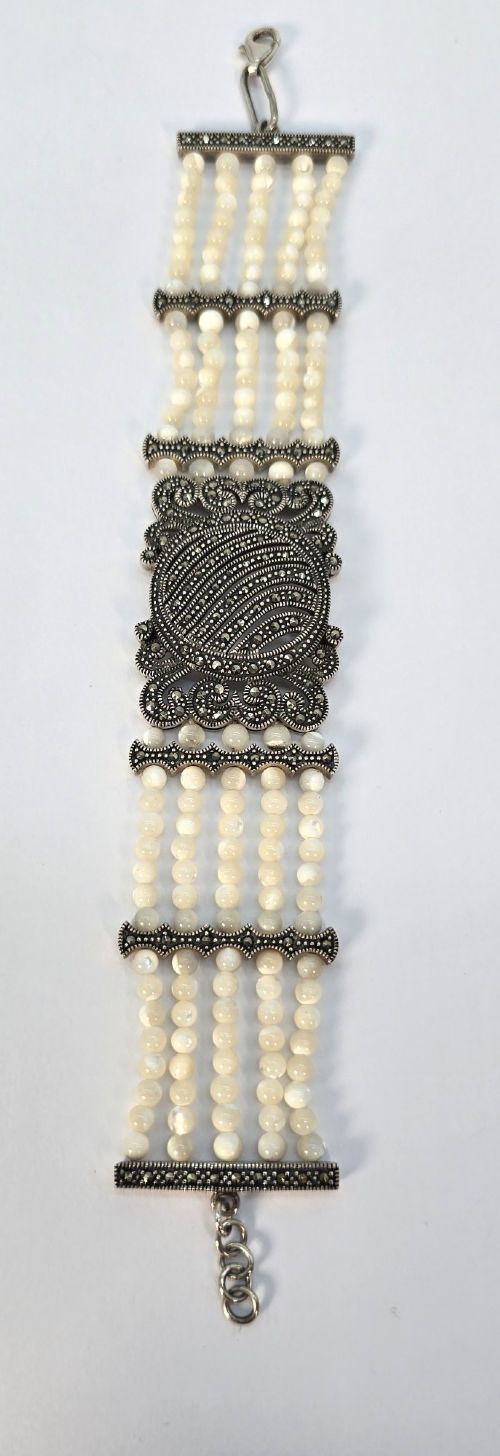
- Small, faceted pieces of iron pyrite set into silver jewellery to provide a diamond-like sparkle. They are typically secured in small channels or pavé arrangements.
- Paste glass
- Hand-cut and polished glass utilised to imitate precious gemstones. It offers high clarity and vibrant colour in vintage settings.
- Guilloche enamel
- A decorative technique where a precise pattern is mechanically engraved beneath a transparent layer of enamel. It adds depth and rich colour to bracelets and pendants.
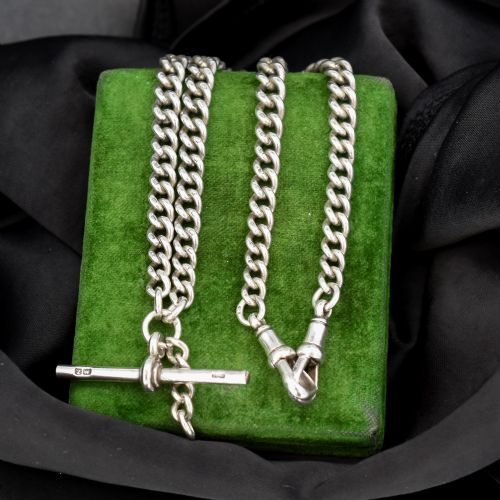
- Albert chain
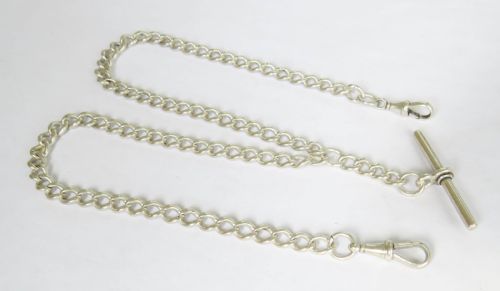
- A heavy pocket watch chain designed to be worn across a waistcoat or adapted as a necklace. They often feature curb links and sliding clasps.
- Sknvirke
- A Scandinavian design movement associated with Arts and Crafts silverwork. It focuses on organic forms and honest craftsmanship.
1920s Silver Jewellery: Frequently Asked Questions
What defines Art Deco jewellery?
Art Deco pieces rely on clean geometric lines, symmetrical patterns, and striking contrasts between white metals and bright stones. They reject Victorian ornate curves in favour of modern industrial shapes.
In this selection, the style appears across rings, earrings, and intricate bar brooches, often pairing sterling silver with marcasite, onyx, or paste glass.
How do I wear a watch chain?
Double pocket watch albert chains are designed with substantial links and central swivels originally intended for timepieces. Many collectors now wear them doubled around the neck as statement necklaces.
The sturdy curb links and decorative clasps make them durable enough for daily contemporary wear.
What is butterfly wing jewellery?
These decorative items use iridescent morpho butterfly wings preserved beneath a clear glass or quartz dome. The technique creates a shimmering blue or patterned backdrop for painted landscapes and motifs.
They appear frequently in pendants and brooches from the period, often framed in sterling silver.
Are paste stones genuine?
Paste stones are not natural gemstones, but rather high-clarity lead glass shaped and polished by hand. They were highly valued in their own right for achieving vibrant colours and brilliance.
Period pieces use paste to mimic diamonds, rubies, sapphires, and emeralds within intricate silver and gold settings.
What is Egyptian Revival jewellery?
Egyptian Revival pieces draw direct inspiration from archaeological discoveries, particularly the excavation of Tutankhamun's tomb. They feature motifs like pharaohs, sarcophagi, and scarabs.
Enamelled pendants and propelling pencils capture this fascination with ancient iconography translated into 1920s accessories.