


1920s Shop Counter
A 1920s shop counter brings commercial history into a modern room, offering glass and timber display space built for trade.
1920s Shop Counter
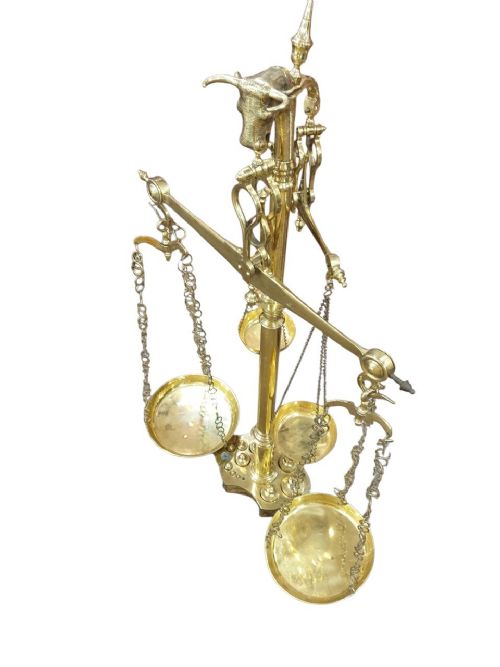
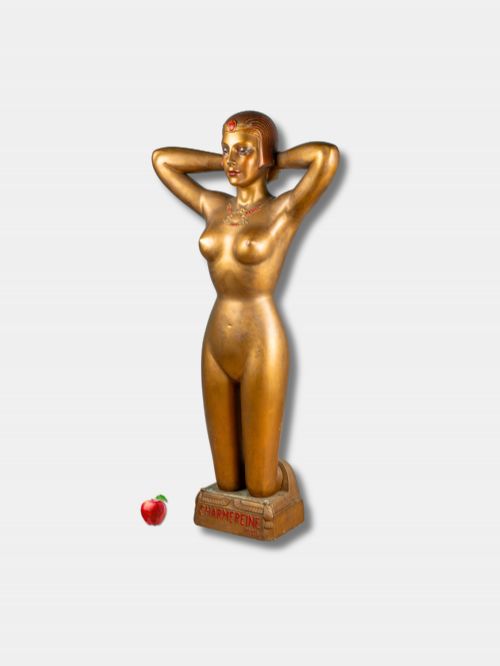
When you search for a 1920s shop counter, you encounter functional trade furniture designed to showcase goods to customers in early twentieth century retail environments. These pieces range from large serving counters and haberdashery units to smaller countertop display cases, scales, and advertising mannequins.
The version you are most likely to meet on this page is constructed from mahogany, oak, or ebonised wood, frequently featuring glazed glass panels to protect merchandise. Styles span Edwardian through to Art Deco and Interwar commercial designs, reflecting the practical needs of drapers, apothecaries, and jewellers.
How they were made
Makers utilised solid hardwoods like mahogany and oak for structural frames and counter bases, often combining them with ebonised wood finishes. Large display counters and cabinets integrate clear glass panels and glazed doors to maximise visibility for retail merchandise.
Brass, bronze, and velvet appear alongside plaster and paint in advertising pieces, dressing forms, and display stands. Structural hardware relies on brass fittings, whilst specialised drawer units utilise fine timber joinery for haberdashery storage.
A Paris lingerie mannequin from this era keeps silent watch over the room, dressed in plaster and quiet historical charm.
What varies in quality
The standard of construction separates utilitarian utility pieces from sophisticated retail furniture produced by notable commercial shopfitters. Fine timber selection, intricate glazing techniques, and sophisticated leg designs determine the distinction between standard trade counters and exceptional showroom examples.
The integrity of original glass panels, polished brass hardware, and specialised internal configurations such as needle drawers or pentagonal geometry significantly influence the character and refinement of each surviving piece.
F. Sage & Co.·Pollards·Charmereine
The 1920s Shop Counter Glossary
- Haberdashery cabinet
- A multi-drawer storage unit utilised by drapers for ribbons, threads, and small garments. These pieces usually feature glass fronts or shallow pull-out trays.
- Countertop display case
- A glazed miniature cabinet designed to sit upon a main shop counter. Merchants used these to showcase jewellery, small curiosities, and delicate accessories.
- Ebonised wood
- Timber treated with a chemical stain or dark finish to resemble ebony. This dark surface treatment appears frequently on display furniture from the interwar period.
- Advertising mannequin
- A sculptural bust or full figure created to model garments, hats, or lingerie in shop windows. Materials include plaster, paint, and fabric such as velvet.
- Art Deco style
- A design movement characterised by sleek geometric shapes and stylised motifs. Shop counters of this period occasionally incorporate these lines into their leg frames and brass mounts.
1920s Shop Counter: Frequently Asked Questions
What is a 1920s shop counter?
A 1920s shop counter is a commercial furnishing built from timber and glass to serve customers and display merchandise in interwar retail spaces.
These pieces include large serving units, glazed display cabinets, and specialised haberdashery drawers designed for daily trade use.
How were these counters used?
Merchants used these counters to separate the shop assistant from the customer while simultaneously showcasing goods beneath glass viewing surfaces.
Drapers, jewellers, and apothecaries relied on these fixtures to store inventory and protect delicate wares from handling.
Where do I put a shop counter?
A shop counter serves well as a kitchen island, a hallway console, or a focal point in a large living room for displaying collections.
The glazed cabinets provide enclosed shelving, while the surface offers a wide wooden platform for daily items.
How do I identify the period?
You identify the period through a combination of timber choices, glazing styles, and hardware typical of early twentieth century commercial manufacturing.
Details like ebonised finishes, brass framework, and distinct Art Deco leg designs point directly to the interwar era.