



1920s Sapphire Gold Ring
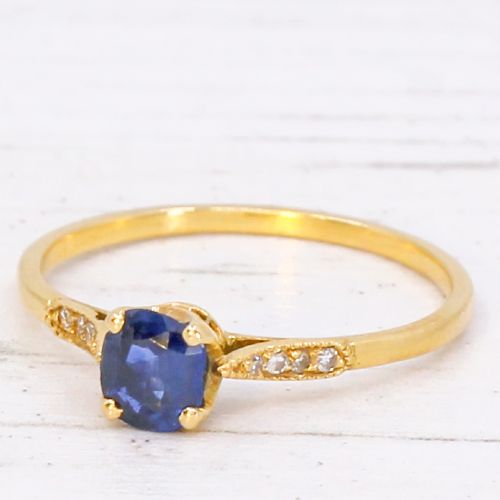
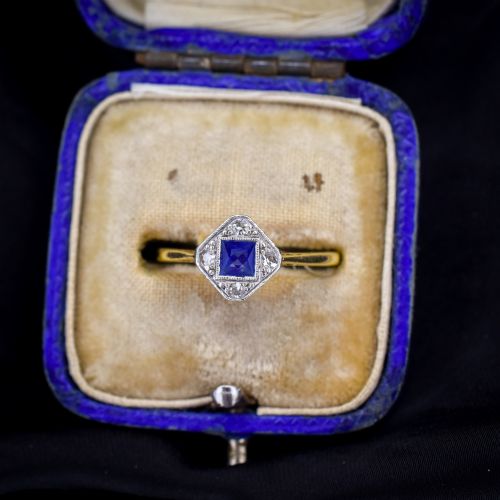
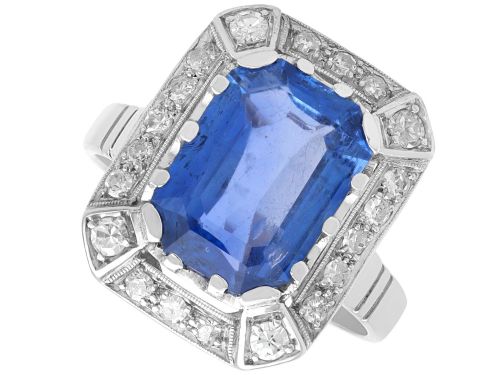
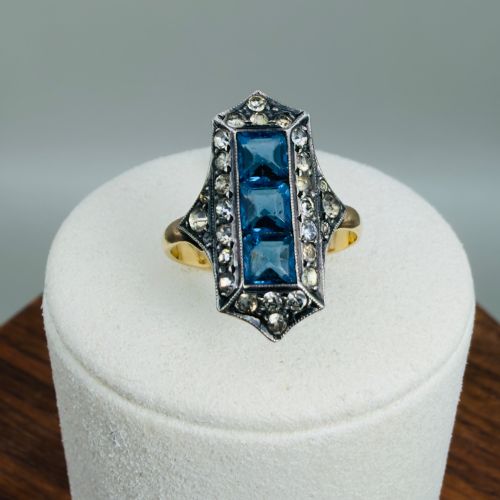
A 1920s sapphire gold ring combines geometric geometry and vivid colour, offering a wearable piece of Art Deco history that collectors prize.
1920s Sapphire Gold Ring
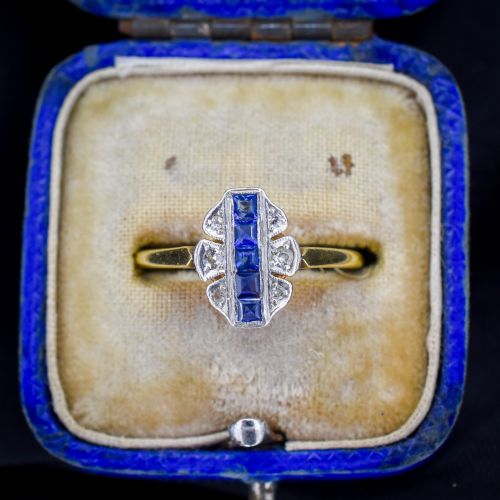
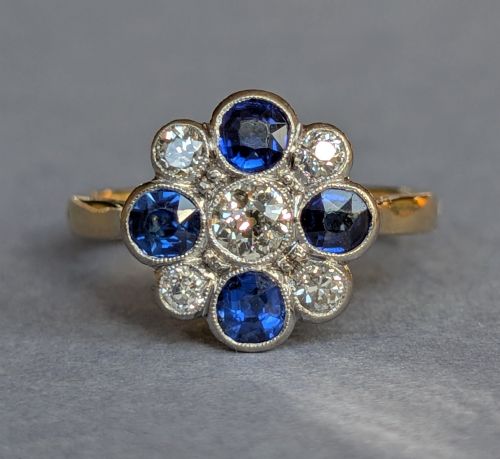
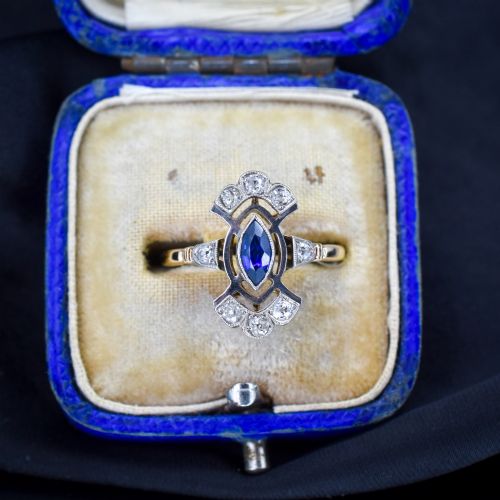
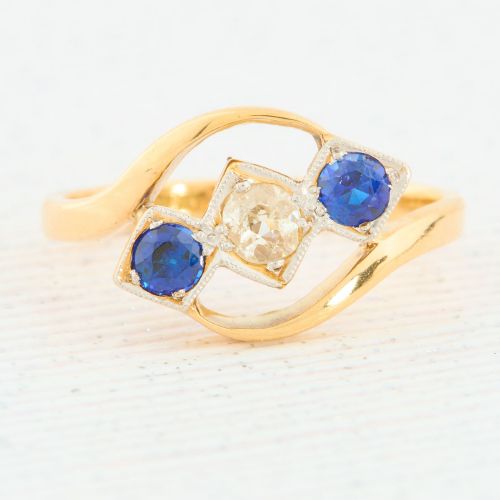
A 1920s sapphire gold ring belongs to the height of the Art Deco period, defined by geometric lines and strong contrasts between deep blue stones and precious metal. Buyers seeking a 1920s sapphire gold ring will encounter cluster formats, navette silhouettes, and traditional trilogy settings.
Most examples hail from the 1920s and 1930s, constructed predominantly as dress rings or engagement rings. The forms range from concentric target motifs to elongated panel designs that sit flat against the finger.
Makers of the era utilised a mix of yellow gold, white gold, and platinum settings to maximise the brilliance of the central gems. Traces of Edwardian influence occasionally appear alongside pure Art Deco geometry.
How they were made
Goldsmiths combined 18ct yellow gold, 18ct white gold, and platinum, frequently mounting platinum directly over gold to present a bright white surface for diamond claw settings while retaining a warm band. Calibre cut sapphires were precisely shaped to fit flush within geometric channels, demonstrating advanced lapidary skill.
Diamonds were predominantly old European cut or old mine cut, hand-set in pavé or millegrain edges that added delicate texture to the metalwork. Stones such as Ceylon and Burmese sapphires were secured alongside white paste or genuine diamonds.
1920s Sapphire Gold Ring Retail Price Guide 2026
Typical asking prices for 1920s sapphire gold ring among the pieces listed under this phrase on Sellingantiques today, from the lower quarter to the upper quarter. They describe what is for sale here now, not the wider market.
Listings feature 18ct yellow gold, 18ct white gold, platinum, and occasional 9ct or 15ct gold variations.
What varies in quality
The distinction between tiers rests upon the origin and treatment of the sapphire, with unheated stones and documented geographical provenances commanding higher regard. Precision in calibre cutting and the crispness of millegrain work further separate standard production from master craftsmanship.
Proportion and symmetry in cluster and navette layouts dictate visual impact, ensuring the mounting enhances rather than overpowers the central gemstone.
The 1920s Sapphire Gold Ring Glossary
- Art Deco
- A design style dominant in the 1920s and 1930s characterised by symmetry, geometric shapes, and stylised motifs. It marked a sharp departure from the flowing curves of the preceding Edwardian era.
- Navette
- A boat-shaped ring setting that tapers to points at either end. This elongated form flatters the hand by following the length of the finger.
- Millegrain
- A technique involving tiny, raised metal beads along the edge of a setting. It provides a soft, textured border that frames the stones.
- Calibre cut
- Gemstones specifically shaped and cut to fit tightly into a bespoke channel or geometric pattern. This technique requires exceptional skill from the lapidary.
- Trilogy
- A ring featuring three main stones set in a row, often interpreted symbolically as representing the past, present, and future.
1920s Sapphire Gold Ring: Frequently Asked Questions
How do I wear a delicate antique ring daily?
These rings tolerate everyday wear provided you remove them for manual tasks, heavy lifting, or swimming.
Store them separately in a fabric-lined box to prevent the diamonds from scratching softer metals or gems.
Are these rings suitable for modern engagements?
Their distinctive geometric character makes them a popular choice for engagements, offering an alternative to contemporary solitaire designs.
Ensure the claw settings and band thickness are checked by a jeweller to confirm structural integrity.
How do I clean a sapphire and diamond ring?
Soak the piece briefly in warm water mixed with a mild washing-up liquid, then use a soft-brushed toothbrush to remove oils from beneath the stones.
Avoid harsh chemical cleaners or ultrasonic baths, particularly if the piece contains paste stones or delicate foiled settings.
How can I tell a 1920s ring from a reproduction?
Examine the piece with a loupe to look for hand-cut stones, subtle irregularities in the millegrain, and period-appropriate internal construction.
True Art Deco pieces display construction methods and wear patterns consistent with genuine age rather than modern casting techniques.