


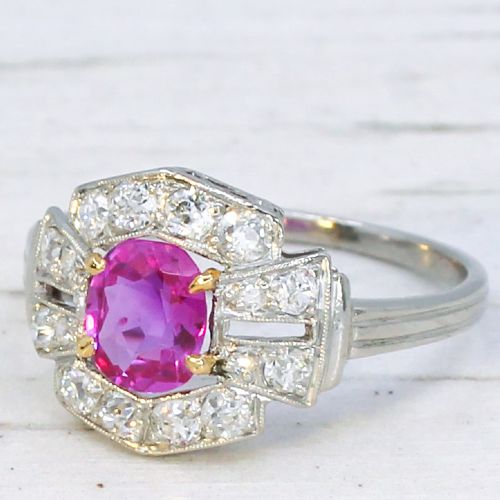
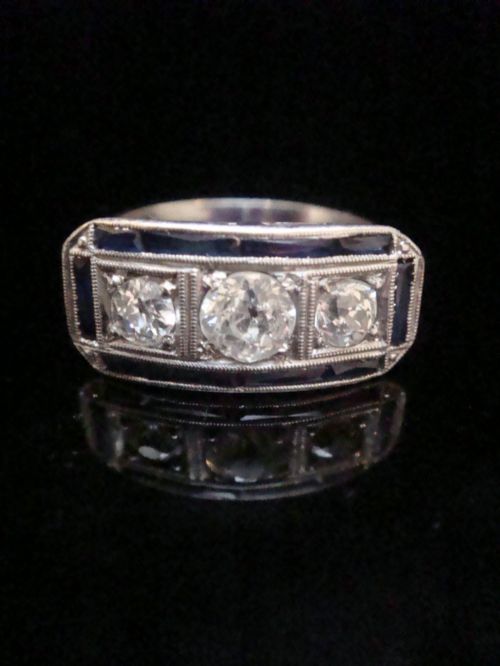
1920s Platinum Engagement Ring
A 1920s platinum engagement ring combines crisp geometric design with durable precious metal, offering the enduring appeal of the Art Deco era.
1920s Platinum Engagement Ring
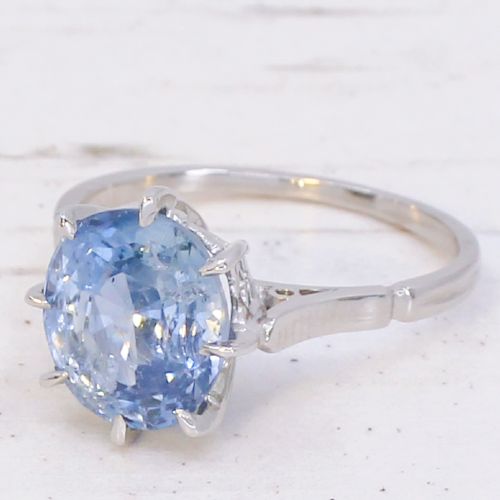
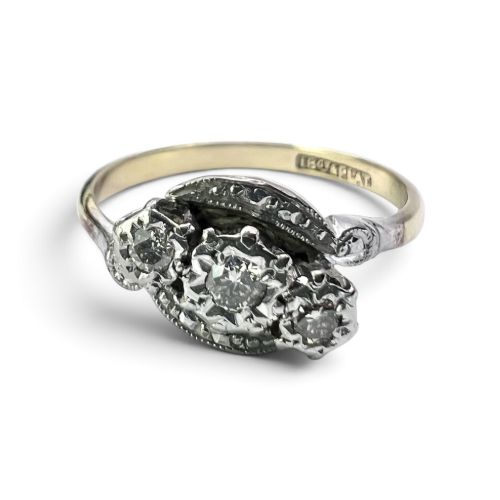
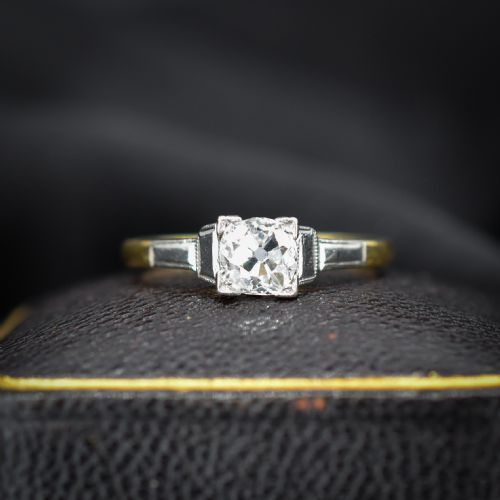
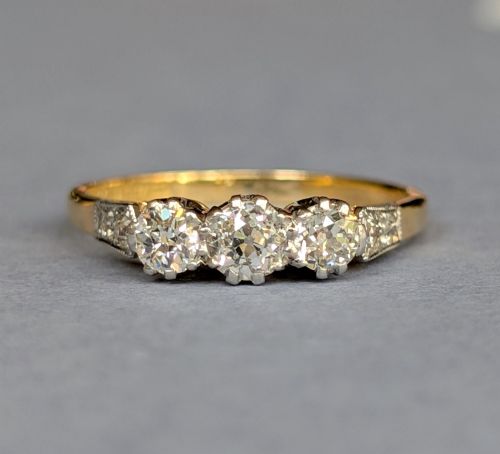
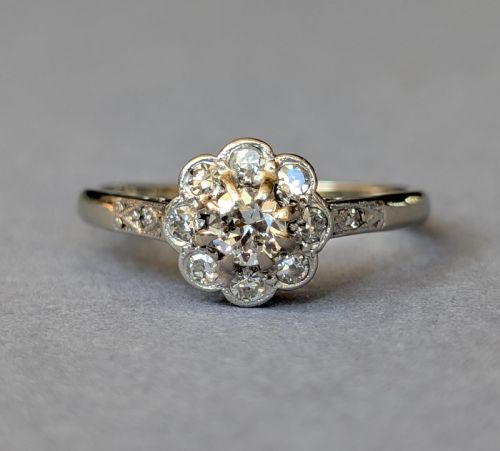
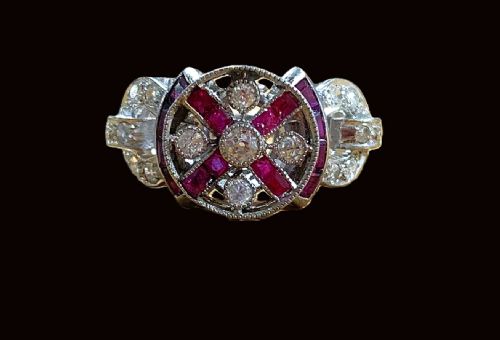
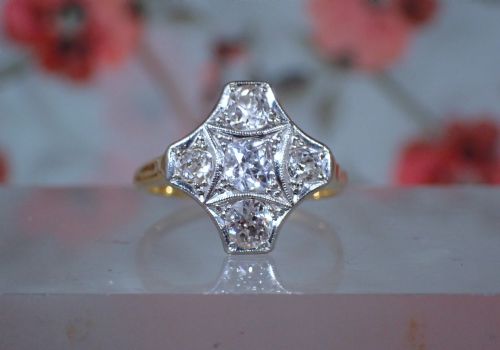
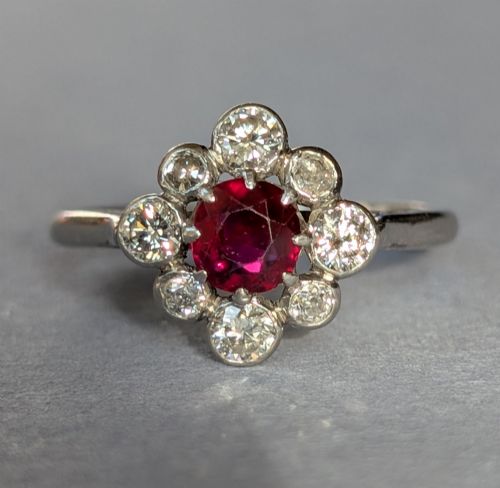
A 1920s platinum engagement ring is defined primarily by the geometric and linear aesthetics of the Art Deco period, alongside occasional Edwardian influences. These pieces range from simple solitaires to complex cluster and navette configurations.
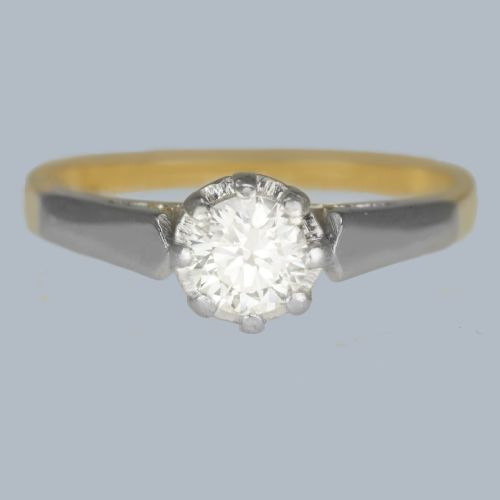
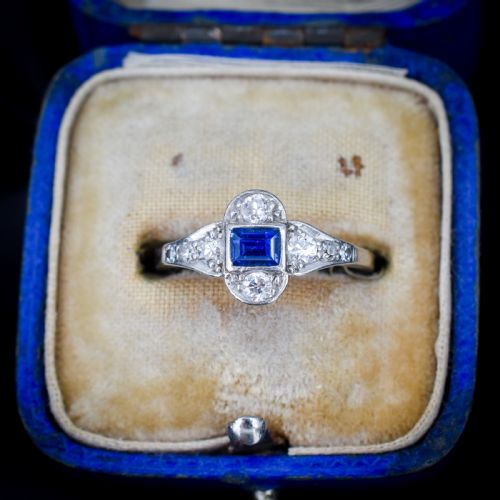
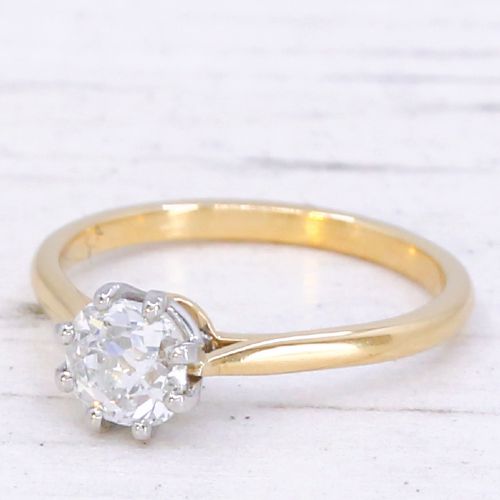
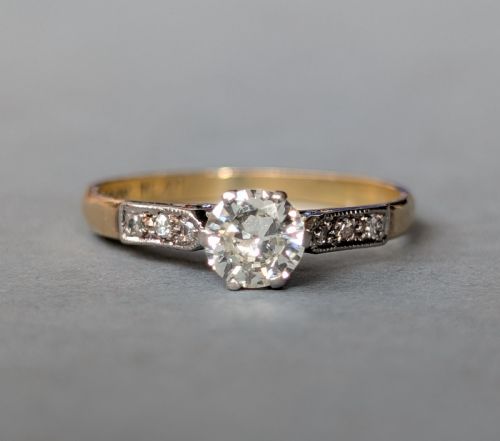
The versions most commonly met on this page pair platinum settings with diamonds, sapphires, rubies, and sometimes 18ct yellow gold shanks. Buyers find everything from single old-cut diamond centre stones to intricate multi-stone arrangements.
How They Were Made
Jews utilised platinum for its strength, which allowed for delicate, intricate wirework and secure claw or bezel settings without adding excessive bulk. This metal choice defined the period's ability to hold fine gemstones securely in slender mountings.
Diamonds and coloured stones such as sapphires and rubies were frequently cut as old cuts, transitional cuts, or baguettes to fit geometric layouts. Combining platinum heads with 18ct gold shanks was also a frequent method employed by period makers.
Materials recorded across the selection include platinum, 18ct gold, yellow gold, diamonds, sapphires, and rubies.
What Varies in Quality
The standard of a 1920s platinum engagement ring is dictated by the calibre of the central gemstone, particularly the cut and clarity of the diamonds and the natural origin of sapphires or rubies. Weight and presence of unheated coloured gemstones elevate certain examples significantly.
Construction intricacy and the preservation of original millegrain detailing or delicate pierced gallery work also separate standard rings from exceptional ones. The integration of platinum over 18ct gold requires precise metallurgical skill that influences overall refinement.
The 1920s Platinum Engagement Ring Glossary
- Art Deco
- The predominant design style of the 1920s, characterised by symmetry, geometric lines, and stylised motifs. It moved away from the flowing curves of earlier periods.
- Old cut
- A diamond cutting style prevalent before the modern brilliant cut, featuring a smaller table, higher crown, and deep culet. These stones exhibit a distinctive soft candlelit sparkle under low light.
- Navette
- A boat-shaped ring design featuring an elongated silhouette that tapers to points at either end. This shape maximises finger coverage and often incorporates detailed cluster work.
- Trilogy
- A ring featuring three main gemstones, typically diamonds or a combination of diamonds and coloured stones. They traditionally symbolise the past, present, and future.
- Millegrain
- A decorative technique involving a line of tiny raised metal beads along the edge of a setting. This provides a soft textural border typical of period fine jewellery.
1920s Platinum Engagement Ring: Frequently Asked Questions
What defines a 1920s engagement ring?
A 1920s engagement ring is defined by the geometric design language of the Art Deco period, often constructed in platinum or paired with 18ct gold. These pieces rely on architectural motifs, symmetrical layouts, and fine millegrain details.
Stones such as old-cut diamonds, sapphires, and rubies are arranged in solitaire, cluster, or navette configurations. The material combination of platinum heads on gold shanks is also typical of the era.
How do I care for a platinum ring?
Platinum is a remarkably durable and dense metal that withstands daily wear better than softer precious metals. It develops a soft patina over time, which many collectors prefer for its authentic antique character.
Regular cleaning with warm soapy water and a soft brush maintains the brilliance of the diamonds and coloured gemstones. Professional checks ensure the fine platinum settings and claws remain secure.
Are these rings suitable for daily wear?
These rings were built for everyday use, utilising platinum's high tensile strength to secure stones safely in slender settings. However, antique pieces require mindful handling during heavy physical activities to protect delicate gallery work.
Old-cut diamonds and sapphires possess good hardness, making them practical for continuous wear. Ensuring the prongs and shanks are periodically inspected by a jeweller preserves their longevity.
What gemstones were used in the 1920s?
Diamonds are the most frequently encountered stones from this decade, particularly old-cut and transitional cut varieties. Coloured gemstones such as blue sapphires, rubies, and pink sapphires also appear regularly.
Many sapphires and rubies from this era originate from significant deposits like Burma or Ceylon. These coloured stones are often paired with diamond accents in cluster or three-stone layouts.