


1920s Oak Seat
These 1920s oak seat examples bring sturdy timber and period character into a modern hallway or dining room.
1920s Oak Seat
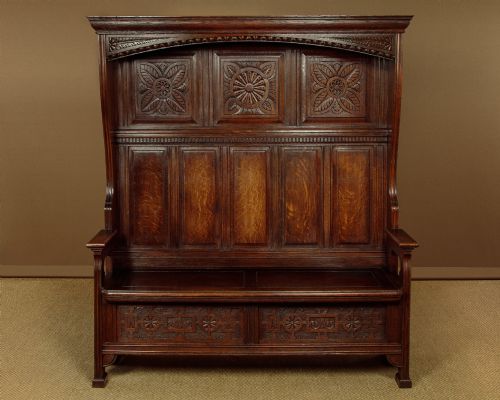
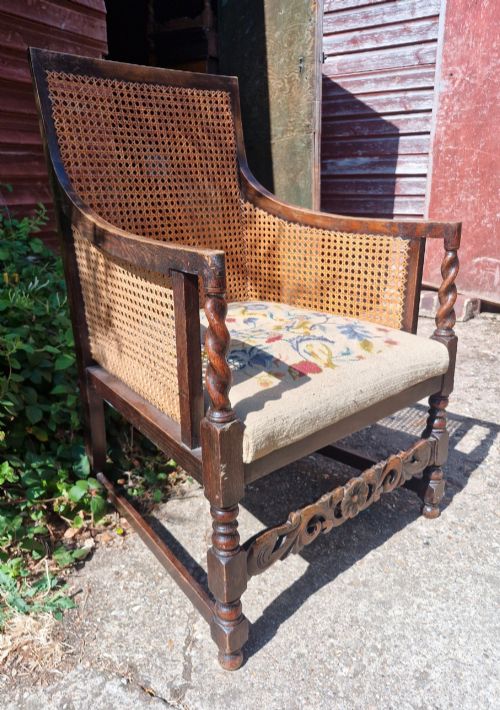
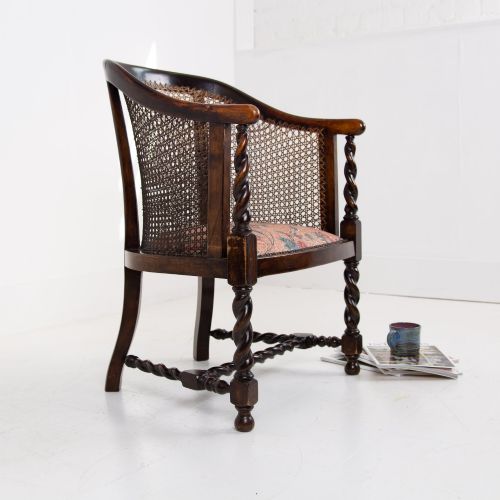
A 1920s oak seat encompasses a practical variety of furniture built from sturdy timber during the early twentieth century. Buyers seeking this phrase typically find armchairs, dining chairs, hall benches, settlers, and monks benches designed for everyday utility.
The selections on this page lean heavily towards traditional forms, including Jacobean Revival styles, English Country items, and French Provincial ladder back chairs. Many pieces incorporate supportive elements such as canopy tops, box storage, and rocking mechanisms.
Origins span English workshops alongside examples of traditional American and French provincial output. Whether you encounter a single bergere armchair or a set of dining chairs, these items reflect the durable domestic furniture production of the period.
How they were made
Construction relies fundamentally on solid oak, shaped through traditional carpentry and framing techniques. Artisans utilised supportive secondary materials like cane panels, woven rush, and iron brackets to complete the seating surfaces.
Decorative detail often involved hand carving, turned elements such as barley twist legs, and upholstery using tapestry fabric, leather, or velvet. Brass hardware frequently appears on boxes and settles to secure lids and hinges.
Cinema seats from the era offer a theatrical place to sit, proving that early twentieth-century audiences enjoyed plush velvet even away from home.
What varies in quality
Quality differences emerge in the depth of hand carving and the selection of timber grain. Plain timber construction sits at the simpler end, whilst deeply carved panels and canopy tops demand greater carpentry skill.
The integrity of the seating material dictates daily usability. Original cane, woven rush, and tight upholstery require careful maintenance, and replacement seats alter the original character of the furniture.
Heals
The 1920s Oak Seat Glossary
- Bergere
- An enclosed upholstered armchair with a wooden frame, often featuring cane work on the back and sides. This style provides a lighter visual weight than fully upholstered armchairs.
- Monks bench
- A convertible piece of furniture that functions as a table with the back folded down, and a hall bench with storage beneath the seat. It is a space-saving form found in hallways and smaller rooms.
- Settle
- A wooden bench featuring a high back to block draughts and solid arms. Many versions include a box compartment beneath the seat for storage.
- Barley twist
- A decorative turning technique resembling a twisted rope, commonly used on the legs and supports of chairs and benches from this era. It reflects revivalist tastes drawing on seventeenth-century motifs.
- Rush seat
- A seating surface woven from dried marsh grass or rushes around a wooden frame. This technique creates a textured, resilient pad for ladder back and country dining chairs.
1920s Oak Seat: Frequently Asked Questions
How do I clean a cane seat?
Wipe cane panels gently with a damp cloth and mild soap, ensuring the natural fibres do not become overly saturated. Avoid harsh chemical cleaners that can dry out and snap the material over time.
Allow the cane to dry naturally in a well-ventilated space before sitting on the chair again. Applying a light coat of boiled linseed oil occasionally can help maintain flexibility in older timber and cane.
Where should I place a monks bench?
A monks bench suits a hallway, landing, or living room where its dual function as a seat and a storage chest proves useful. The compact footprint makes it practical for smaller spaces requiring tidy storage.
Keep the timber away from direct heat sources and radiators to prevent the oak from warping or splitting. Ensure there is enough clearance around the piece if you intend to flip the back into a table position.
Can I use these chairs daily?
Most oak chairs and benches from this period are robust enough for everyday seating in a dining room or hallway. Solid timber construction provides a sturdy foundation that handles regular use well.
Inspect the joints and legs periodically to ensure the glue and fixings remain tight. Antique items with delicate cane or rush seats benefit from slightly more careful treatment than solid wood surfaces.