
1920s Gold Diamond Ring
These pieces capture the geometric brilliance and enduring elegance of a 1920s gold diamond ring, crafted to celebrate personal milestones with distinctive period character.
1920s Gold Diamond Ring
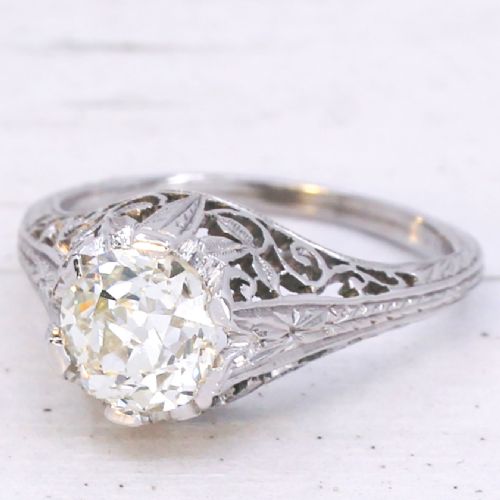
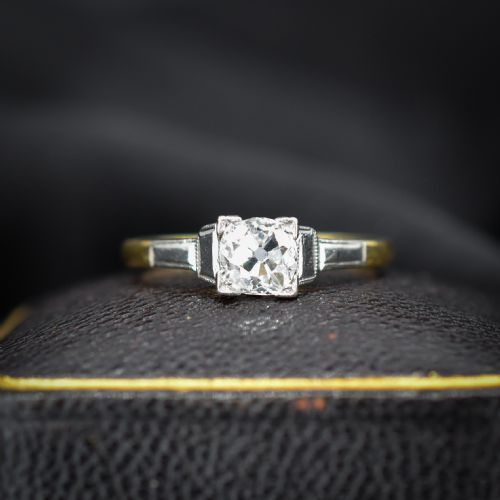
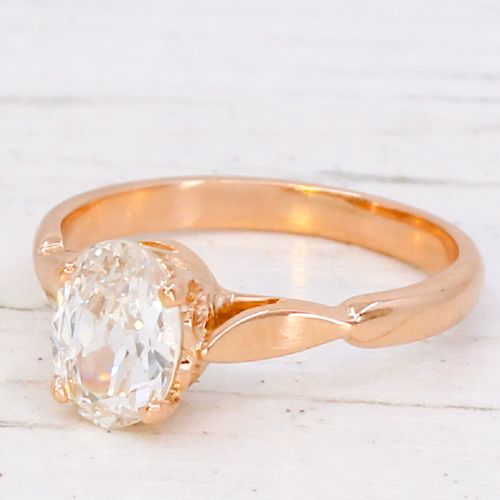
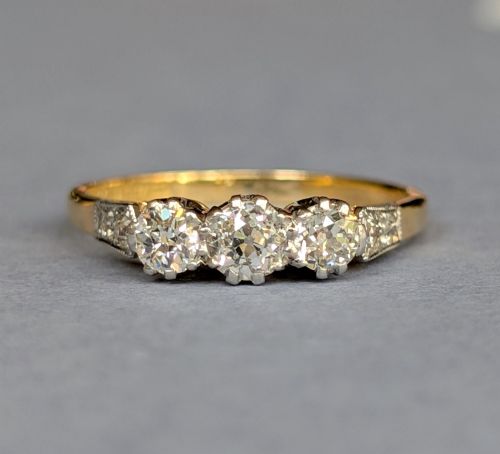
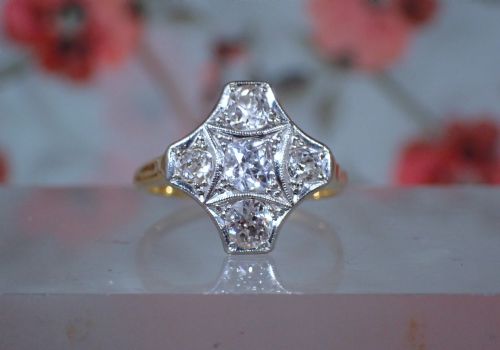
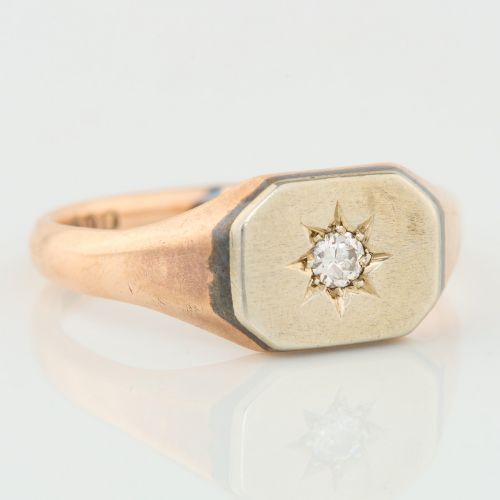
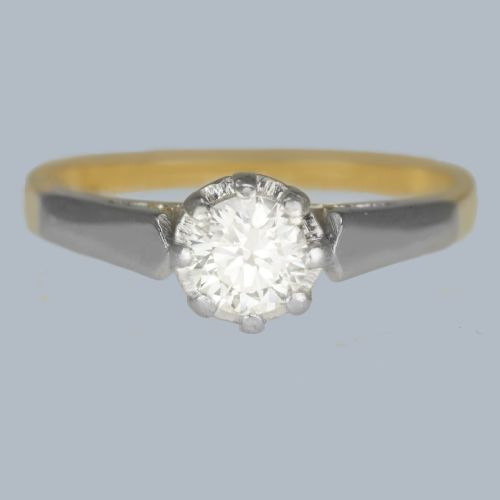
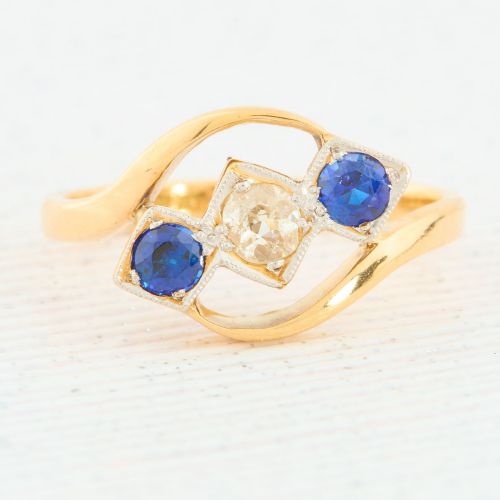
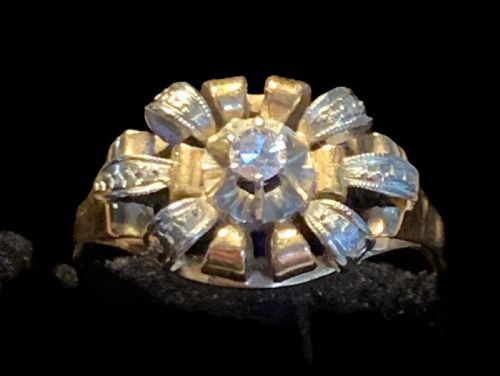
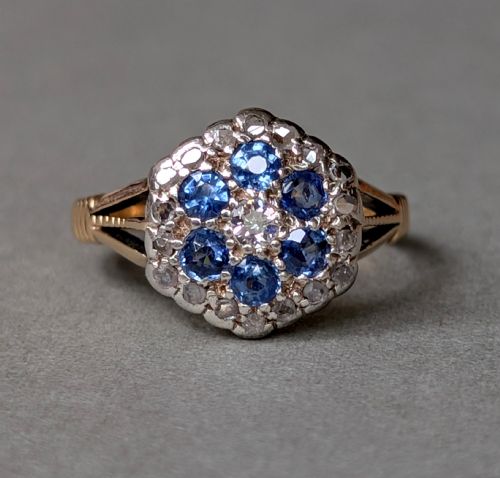
A 1920s gold diamond ring encompasses surviving examples from the Art Deco and Edwardian periods, showcasing the distinct aesthetic shifts of the early twentieth century. The selection is dominated by engagement rings and dress rings configured as solitaires, multi-stone settings, and intricate clusters.
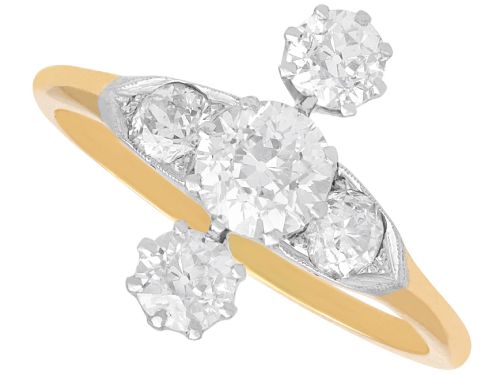
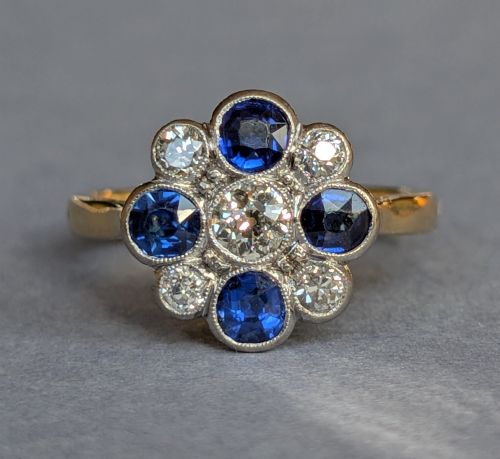
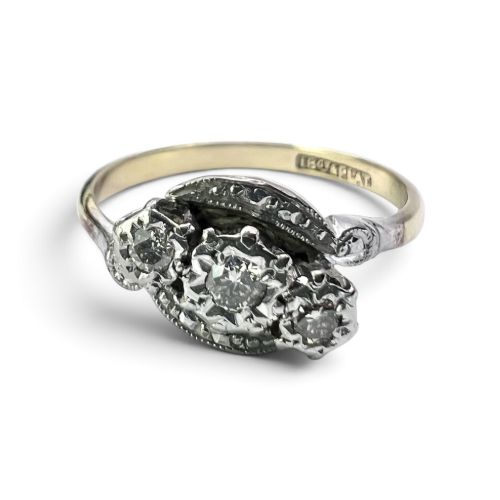
Makers of the era favoured geometric layouts, ranging from classic daisy clusters and trilogies to elongated navette and target designs. Yellow gold, white gold, and platinum form the primary structural foundations for these enduring jewellery pieces.
How They Were Made
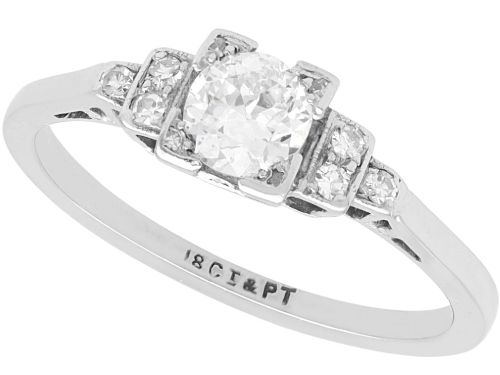
Goldsmiths combined 18ct yellow or white gold with platinum top settings to provide a bright, durable contrast that enhanced the appearance of the diamonds. Platinum usage allowed for delicate millegrain edges and fine wirework without sacrificing structural integrity.
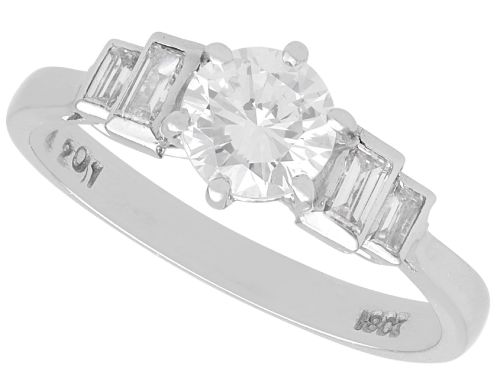
Stones were typically finished with old-cut, old European, or transitional facets rather than modern symmetrical cuts, producing a softer, candlelit sparkle. Coloured gemstones such as sapphires, rubies, and emeralds were frequently integrated as calibre-cut accents to frame the central diamonds.
Listings feature pieces spanning the 1920, 1930, 1940, and Edwardian periods, utilising diamond, platinum, 18ct gold, sapphire, ruby, white gold, and yellow gold.
What Varies in Quality
Quality rests upon the precision of the setting work and the harmony of the overall geometric design. Finer examples display immaculate millegrain detailing, secure claw work, and well-matched stone sizes that sit flush within the metal framework.
The choice of materials also elevates a piece, particularly the dual-metal construction combining yellow gold shanks with platinum settings. Superior stones exhibit compelling old-cut facet patterns that catch the light dynamically across varying lighting conditions.
The 1920s Gold Diamond Ring Glossary
- Old Cut
- A diamond faceting style prevalent before modern cutting standards, featuring a smaller table, higher crown, and open culet that produce a distinctive chunky sparkle.
- Millegrain
- A decorative technique involving a row of tiny raised metal beads along the edges of a setting, adding a refined textural border to the design.
- Cluster Ring
- A ring style featuring a central stone encircled by a border of smaller gemstones, often resembling a floral daisy pattern.
- Trilogy Ring
- A three-stone ring arrangement traditionally symbolising the past, present, and future of a relationship.
- Calibre Cut
- Gemstones precisely shaped and cut to fit tightly together within a specific geometric channel or pattern without visible gaps.
- Navette
- A boat-shaped ring design characterised by an elongated, pointed silhouette that sits lengthways along the finger.
1920s Gold Diamond Ring: Frequently Asked Questions
How do I wear a delicate antique ring daily?
These historical pieces benefit from mindful wear, such as removing them during manual labour or heavy lifting to protect the delicate platinum settings and gold shanks from unnecessary friction and impact.
Regular checks by a professional jeweller will ensure the claw settings remain secure and the stones are firmly held in place throughout years of enjoyment.
Can I resize a vintage diamond ring?
Most gold and platinum rings from this era can be adjusted by a skilled jeweller who understands antique construction methods and metal purity standards. The process involves adding or removing a small section of the metal shank at the rear.
Intricate shoulder details or continuous channel-set stones may limit the range of adjustment possible without disrupting the original geometric pattern.
What is the difference between old cut and modern diamonds?
Old cut diamonds were shaped by hand to maximise brilliance under candlelight, resulting in smaller tables, steeper crowns, and characteristic hand-polished facets that catch the eye differently than modern symmetrical stones.
This historic cutting method gives each stone a unique personality and depth that collectors actively seek when acquiring period jewellery.
How should I clean my antique ring?
Gentle cleaning involves soaking the piece in warm water mixed with a mild washing-up liquid and gently brushing the underside of the setting with a soft-bristled toothbrush to remove accumulated dust.
Avoid harsh chemical dips or ultrasonic cleaners, particularly for rings containing softer coloured gemstones or pearls, which require specialised care.