

1920s French Art Glass
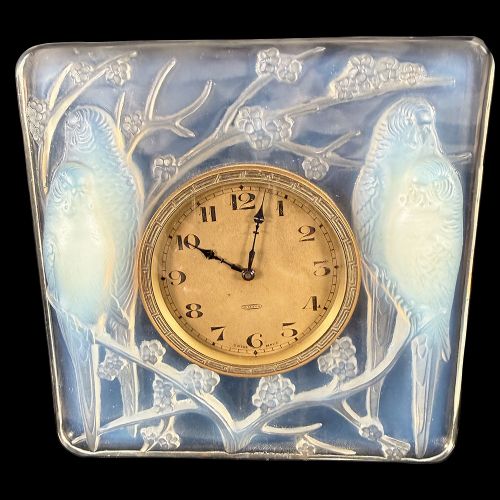
These pieces of 1920s french art glass bring tactile moulded forms and opalescent depths into modern rooms.
1920s French Art Glass
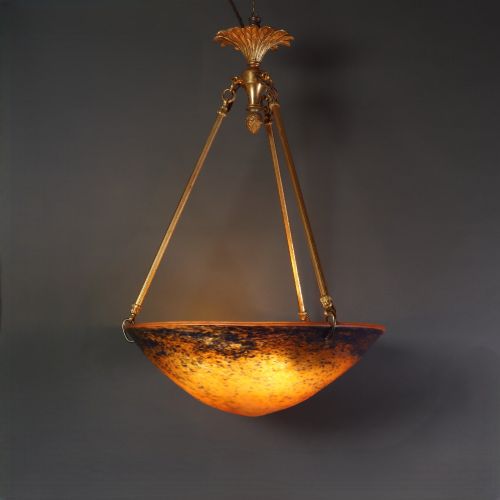
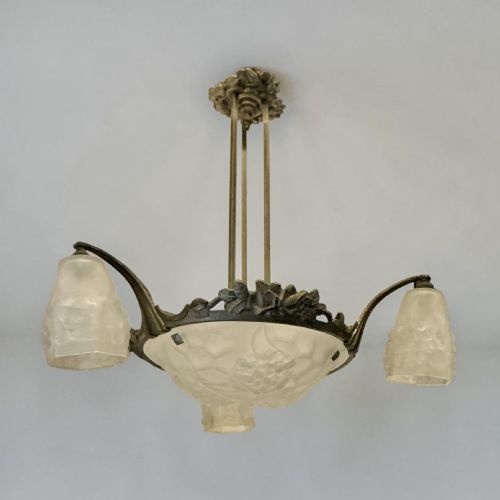
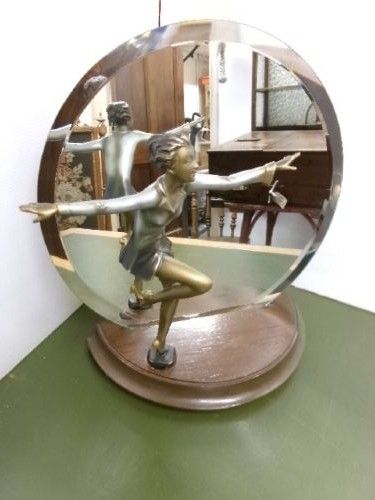
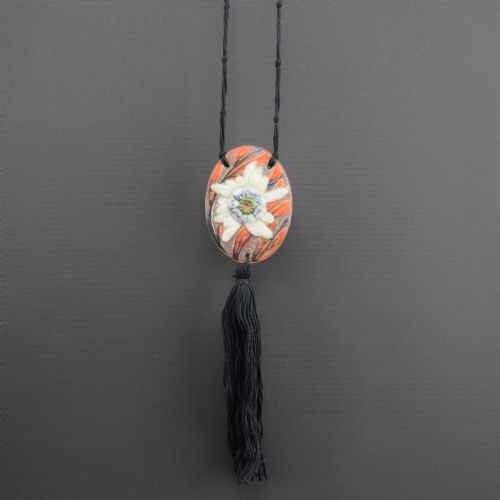
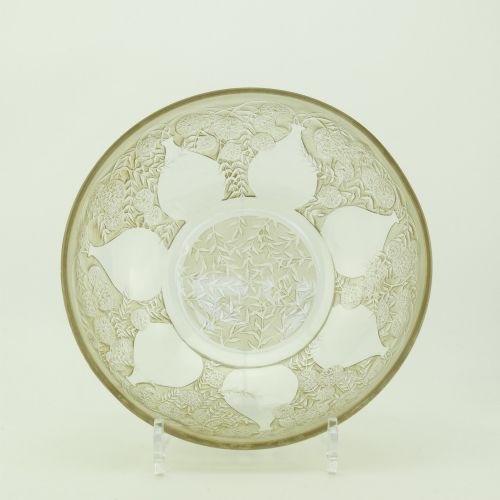
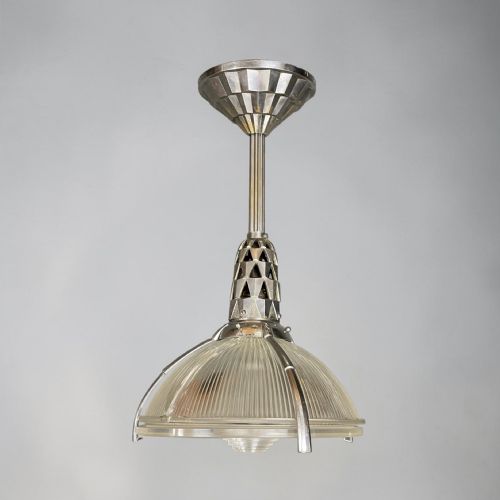
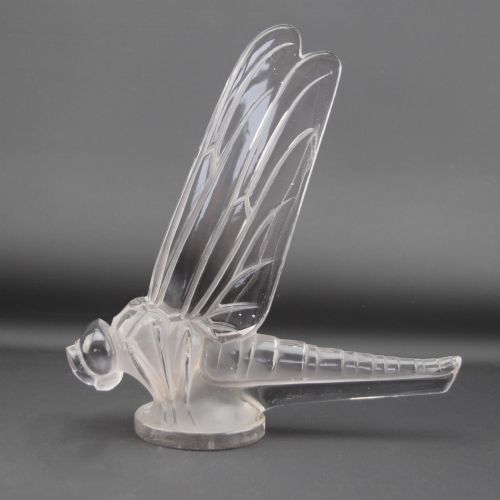
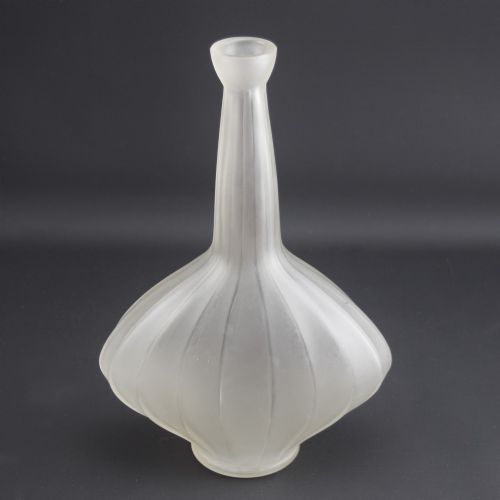
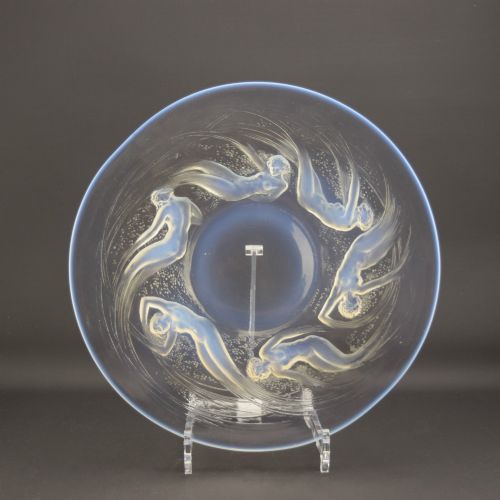
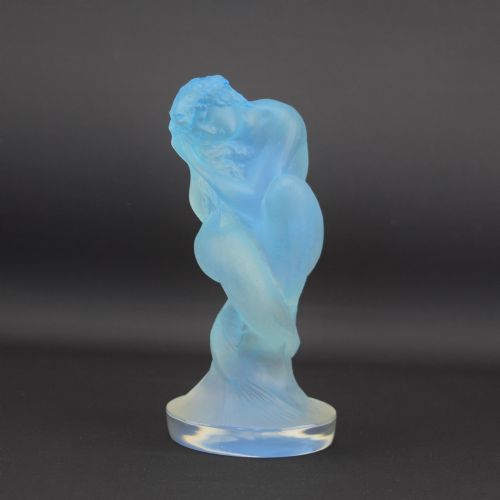
Collectors seeking 1920s french art glass encounter a rich array of decorative plates, bowls, vases, and lighting fixtures shaped during the height of the Art Deco period. Pieces span functional items like perfume bottles, car mascots, and pendants alongside larger display vessels.
The objects derive principally from the 1920s and 1930s, bearing the aesthetic hallmarks of early twentieth-century French design. Vases and decorative bowls dominate the selection, often featuring nature-inspired motifs or geometric relief patterns.
Works originate from prominent French glassworks and individual designers who redefined decorative arts after the First World War. Clear frosted glass, opalescent finishes, and cameo layers define the physical presence of these items.
Materials and Techniques
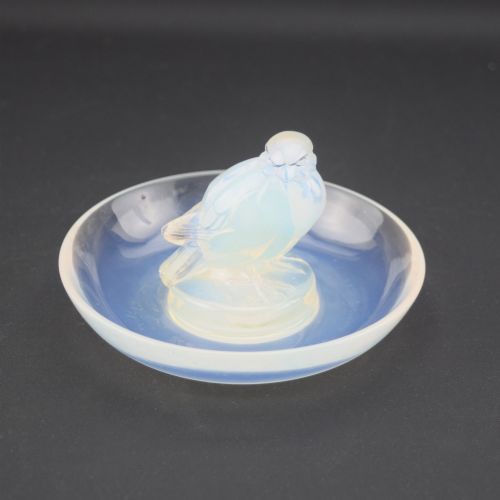
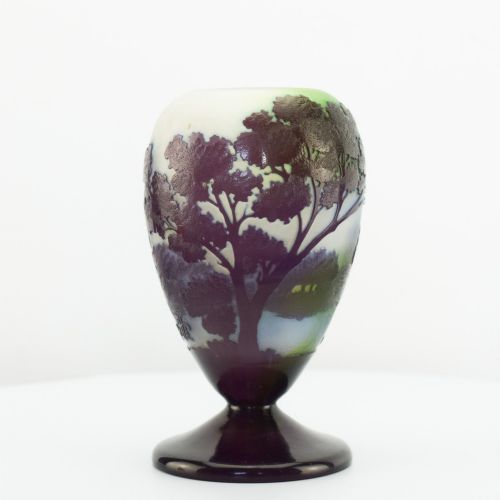
Makers utilised opalescent glass, frosted glass, and moulded clear glass to manipulate light and texture across surfaces. Acid-etching, cameo layering, and pate de verre techniques allowed artisans to build dense colours and intricate relief details.
Metal mounts in brass, wrought iron, and silver-plate frequently complemented the glass bodies in lighting fixtures, vases, and decorative containers. These mixed-media constructions combined heavy metal armature with translucent vessels.
Listings feature items spanning the Art Deco and Art Nouveau styles, produced primarily in the 1920s and 1930s.
Quality Variations
The distinction between tiers rests on the crispness of the moulded relief and the deliberate use of colour staining or opalescence. Superior examples display subtle light diffusion and precise detailing in the glass body.
The integration of metal elements, such as wrought iron or brass mountings, influences the overall architectural weight of the object. Master glassmakers achieved depth through careful control of thickness and firing temperatures.
Charles Schneider·Degué·Argy Rousseau·Rene Lalique·Émile-Jacques Ruhlmann·Galle·Daum
The 1920s French Art Glass Glossary
- Opalescent Glass
- Glass that exhibits a milky, bluish translucence when lit from the front and a warm amber hue when lit from behind. This optical effect is achieved through chemical additives during melting.
- Pate de verre
- A glass-casting method where finely crushed glass is mixed with a binder and fired in a mould. The technique creates dense, granular objects with rich coloration.
- Cameo Glass
- Vessels constructed with multiple layers of contrasting glass colours that are carved or acid-etched away to reveal a raised design. It requires immense precision from the glass artisan.
- Plafonnier
- A ceiling light or bowl fixture mounted directly against the ceiling surface. These fixtures often utilise moulded frosted glass to diffuse interior illumination.
1920s French Art Glass: Frequently Asked Questions
How do I identify a genuine piece?
Examine the object for maker signatures, mould seams, and the distinct optical weight characteristic of early twentieth-century French production. Authentic pieces exhibit crisp detailing in the glass relief rather than soft, blurred edges.
Inspect the surface texture and colour distribution under natural light. Genuine examples show deliberate handling of opacity and frost finishes typical of the period.
Were these items used daily?
Many objects served practical purposes in contemporary homes, including perfume bottles, ashtrays, car mascots, and lighting fixtures. Perfume bottles held scents while decorative bowls graced dining tables.
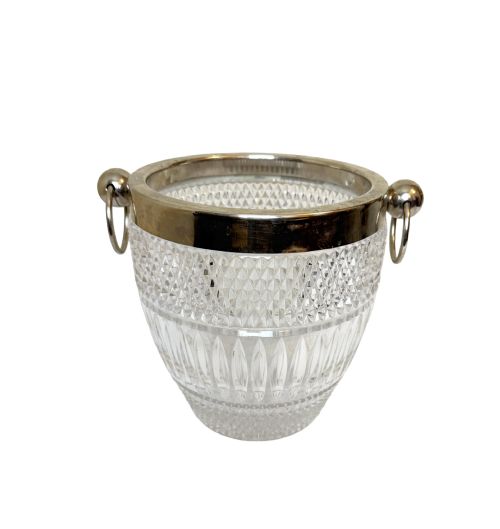
Lighting pieces such as ceiling pendants and chandeliers provided illumination alongside functional glass decanters and ice buckets.
How should I display them?
Position glass pieces near natural light sources to activate the opalescent qualities and frosted textures. Placing them on stable surfaces allows the interplay of light through the moulded relief.
Combine lighting fixtures and decorative vessels within spaces that complement their period aesthetic. Ensure adequate support for heavier glass items and mounted metal combinations.
What styles dominate these works?
Art Deco predominates, characterised by geometric discipline, stylised flora, and animal motifs. Earlier pieces occasionally retain flowing Art Nouveau curves and naturalistic subjects.
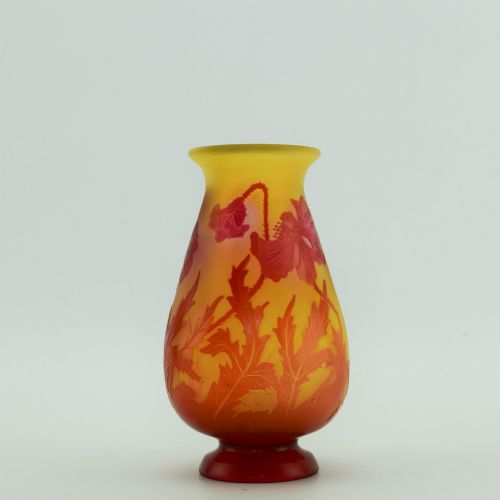
The transition between these design movements appears clearly in the shift from floral cameo vases to geometric moulded bowls.