

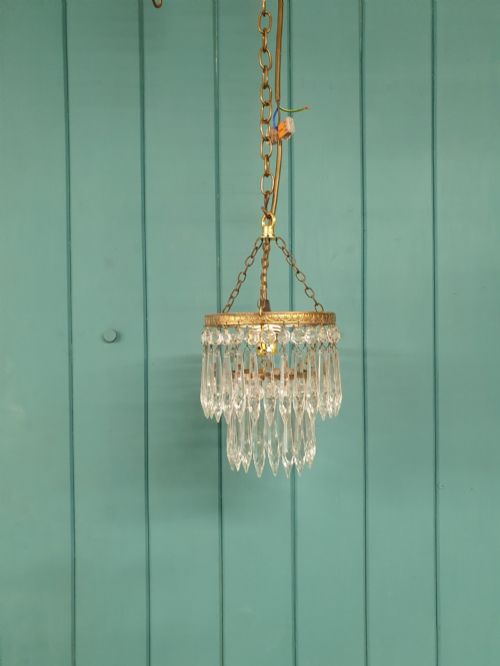
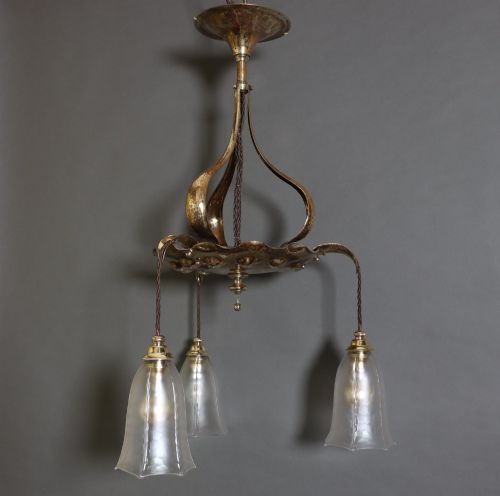
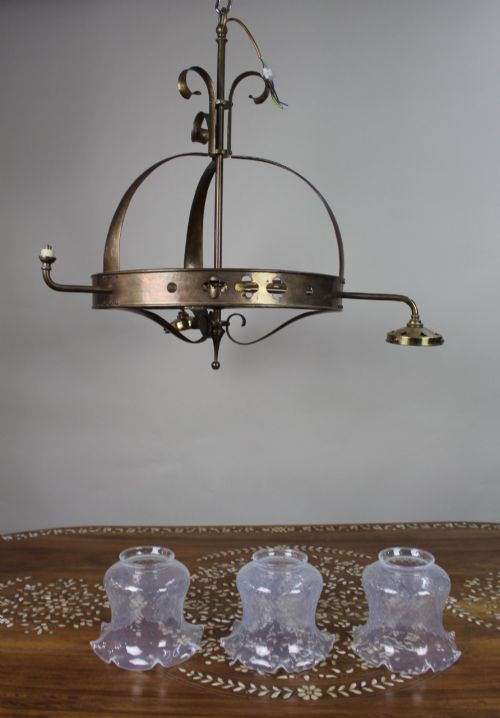
Vintage Ceiling Light Shade
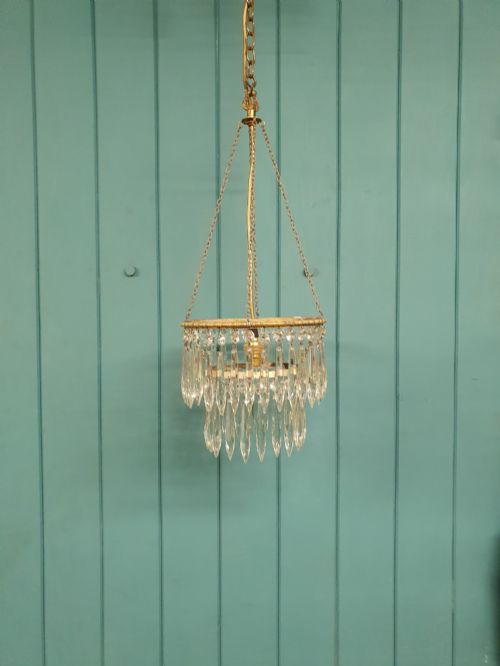
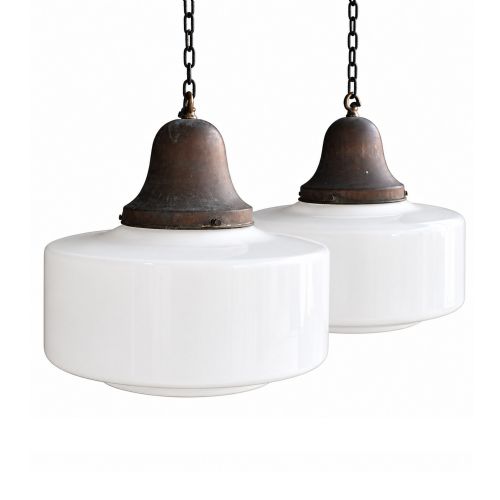
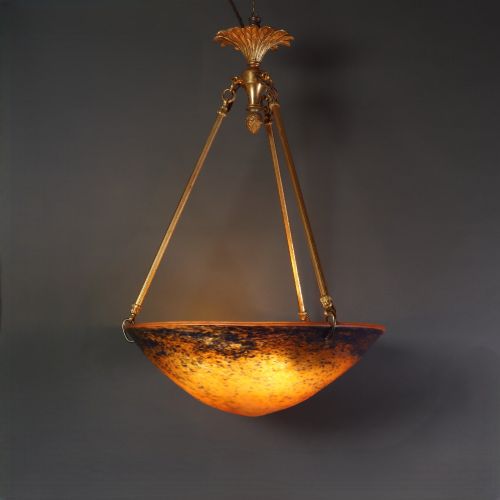
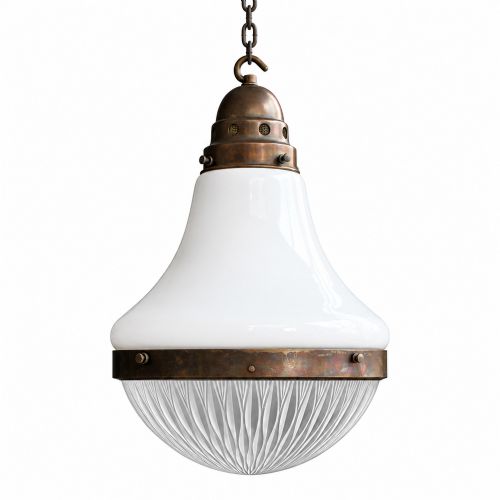
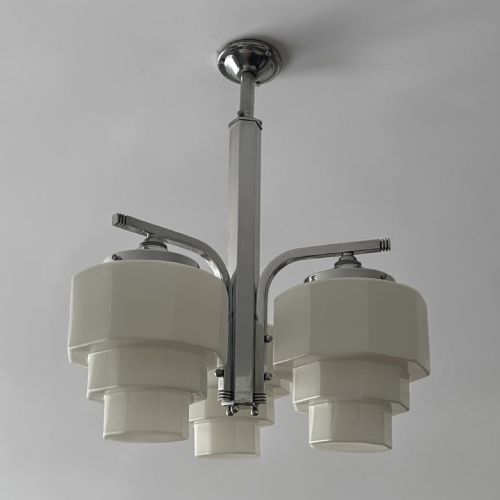
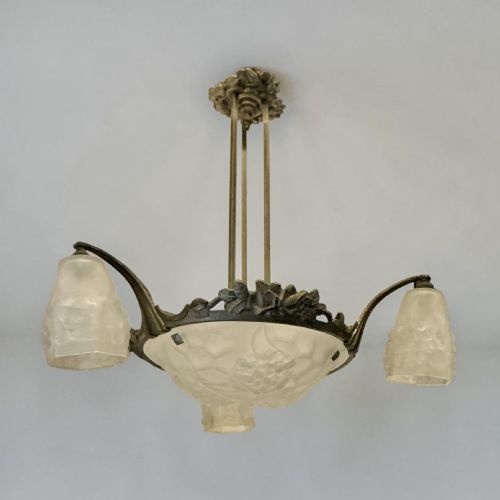
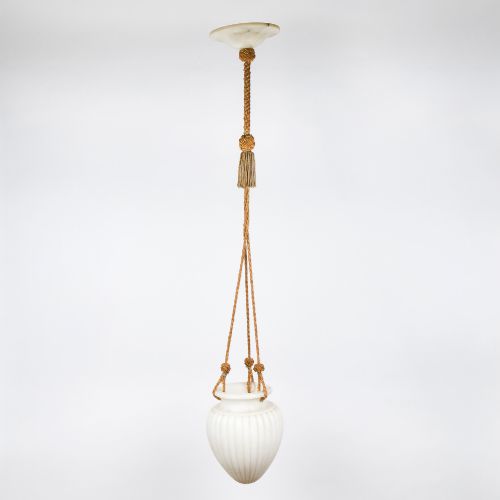
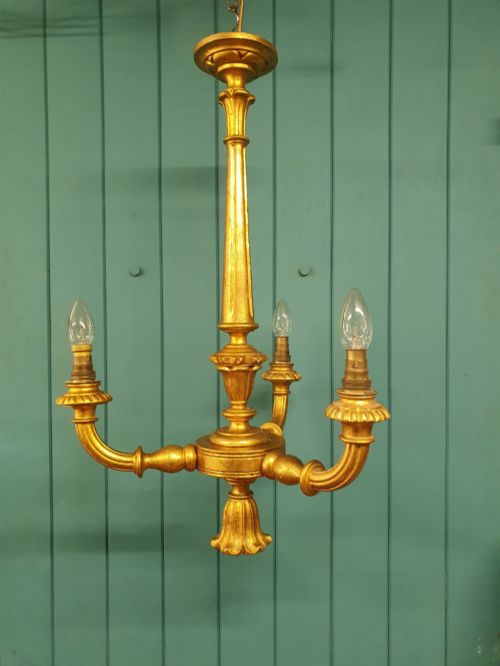
These vintage ceiling light shade options span Victorian, Edwardian and Art Deco periods, bringing period character and diffuse illumination to rooms.
Vintage Ceiling Light Shade
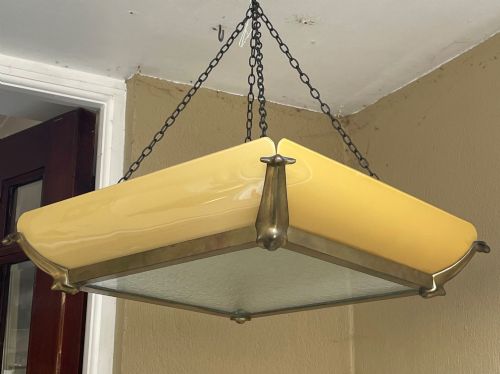
When you search for a vintage ceiling light shade, you are looking at functional glass and metal diffusers designed to suspend from ceilings in pendants, chandeliers and lanterns. The pieces span periods from the nineteenth century through the Edwardian era into the Art Deco and industrial nineteen-thirties.
You are most likely to meet frosted, cut glass, opaline or crystal shades mounted in brass, copper or iron frames. These items originated as church lights, railway lanterns, nautical fixtures and domestic pendants, carrying historical styles like Arts and Crafts, Art Nouveau and French Empire.
How they were made
Makers shaped glass through moulding, blowing and hand-cutting to create opaline, crystal, moonstone and leaded panels. Metalwork components relied on casting, spinning and forging brass, copper, bronze and iron into frames, galleries and suspension arms.
Workshops combined these elements using threaded collars, galleries with thumbscrews or lead cames to secure glass bowls and shades to structural metal mounts.
Materials documented across the pieces include brass, copper, iron, giltwood, leaded glass, crystal, opaline, frosted glass and moonstone.
What varies in quality
Quality rests upon the weight and clarity of the glass, whether moulded with crisp geometric facets or hand-blown with subtle internal opalescence. Substantial gauge brass, copper or giltwood frames provide structural integrity that lighter pressed metals lack.
Superior examples retain integrated original fittings, matched sets and signed metalwork or glass signatures that evidence particular designers and workshops.
Charles Schneider·Degué·Émile-Jacques Ruhlmann·VESTARAY·Jefferson
The Vintage Ceiling Light Shade Glossary
- Plafonnier
- A ceiling-mounted bowl light that sits close to the ceiling rather than hanging on a long suspension chain. These glass bowls direct light downwards into a room.
- Opaline glass
- A milky, semi-translucent glass developed to soften glare while diffusing illumination evenly. It appears frequently in Edwardian and Art Deco lighting.
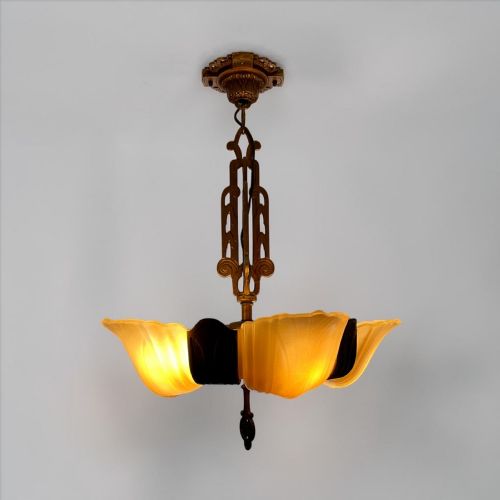
- Slip shade
- A moulded piece of glass that slides into a metal frame or basket to form the body of a fixture. American Art Deco lights utilise this construction method.
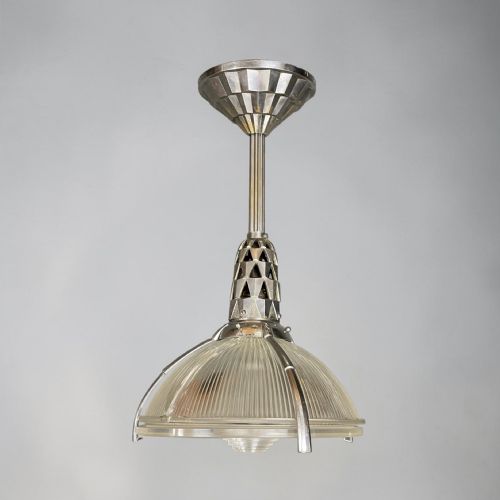
- Holophane
- A brand of prismatic glass designed to direct and diffuse light efficiently without producing harsh glare. These functional shades feature characteristic ribbed patterns.
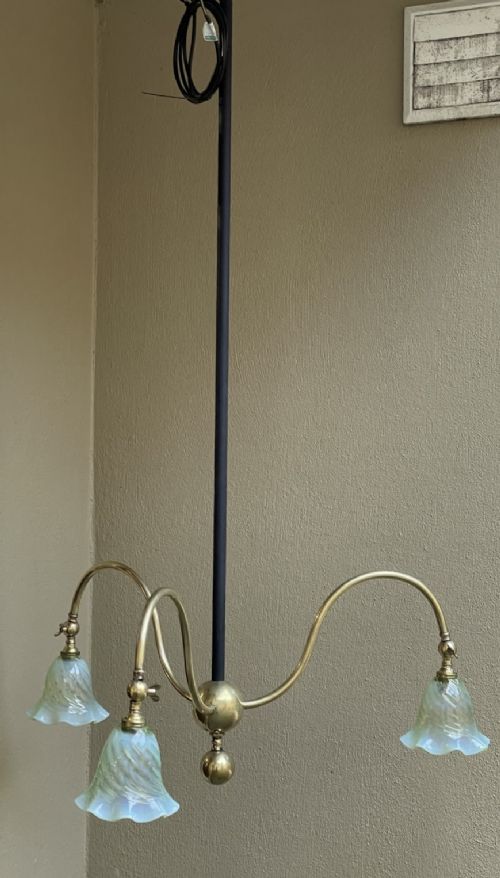
- Gasolier
- A multi-armed hanging light fixture originally designed for gas lighting before conversion to electricity. They often incorporate brass frames and opalescent shades.
Vintage Ceiling Light Shade: Frequently Asked Questions
How do I hang a heavy antique glass shade?
Suspension requires matching the weight of the brass or copper fixture to a secure ceiling joist using appropriate hooks and mounting plates. Professional electrical installation ensures the internal wiring safely supports the combined weight of the metal frame and glass shade.
Heavier chandeliers and leaded lanterns need direct mechanical fixing into structural timber rather than relying on standard plasterboard fixings. A certified electrician can check the existing suspension loop and hook compatibility.
Can I use modern LED bulbs in these shades?
Modern LED lamps fit standard Edison screw or bayonet lampholders while producing less heat than historic incandescent bulbs. This lower thermal output protects vintage glass and nineteenth-century fabric or painted finishes from heat damage.
Selecting warm white LED output preserves the intended amber or soft glow of opaline, frosted and hand-painted shades. Check the physical dimensions of the bulb to ensure it fits comfortably within enclosed glass globes.
How do I clean delicate opaline and cut glass?
Wash glass shades gently in warm water using mild soap, avoiding harsh chemical abrasives that can damage historic surfaces. Dry them thoroughly with a soft cloth before rehanging them in their metal galleries.
Unlacquered brass and copper components respond well to dusting and gentle cleaning that preserves their natural aged patina. Avoid soaking metal fixtures that retain original wiring or delicate painted decoration.
Are these lights wired for modern electricity?
Many surviving fixtures have undergone conversion from gas or early wiring systems to modern electrical standards. Rewiring allows older brass and copper pendants to function safely within contemporary domestic settings.
Inspect existing cloth or plastic-covered flex to determine if replacement is necessary for safe operation. A qualified electrician can easily update internal lampholders and wiring while retaining exterior metalwork.