



1920s Dining Table
A 1920s dining table brings solid craftsmanship and period character to a modern interior, offering sturdy construction alongside distinctive stylistic revivals.
1920s Dining Table
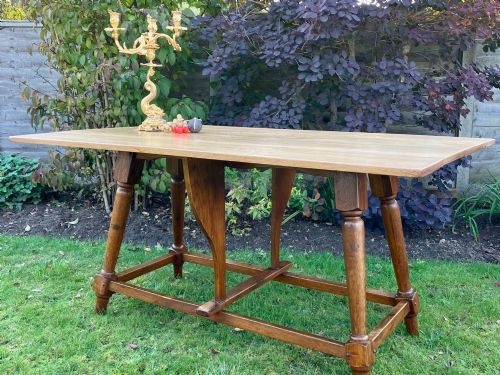
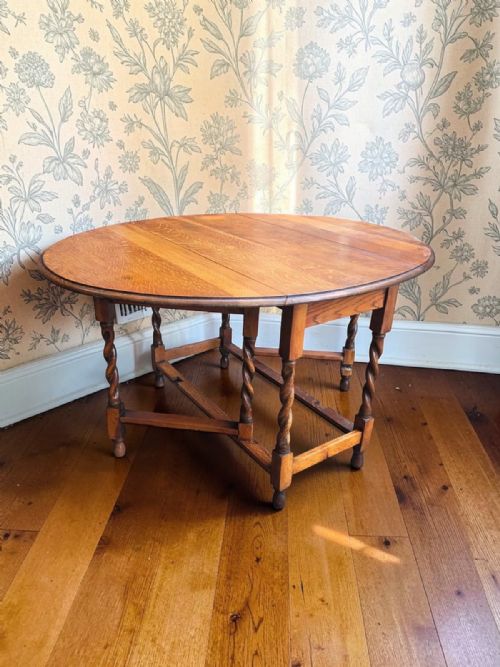
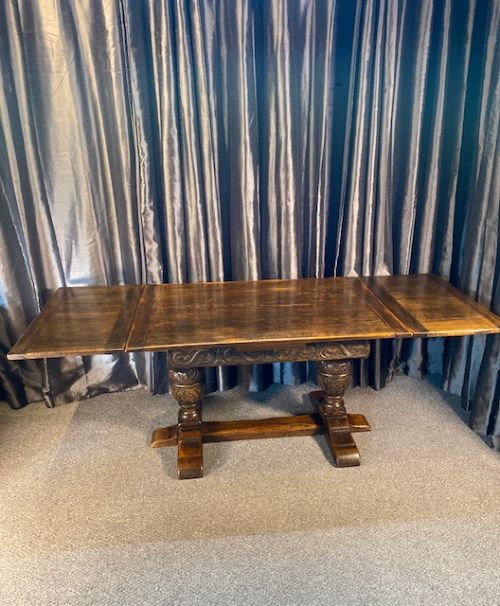
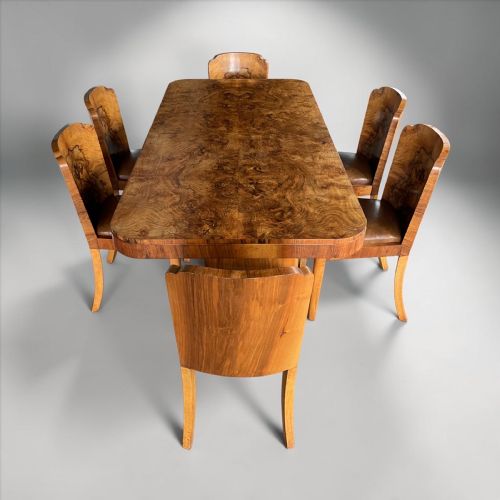
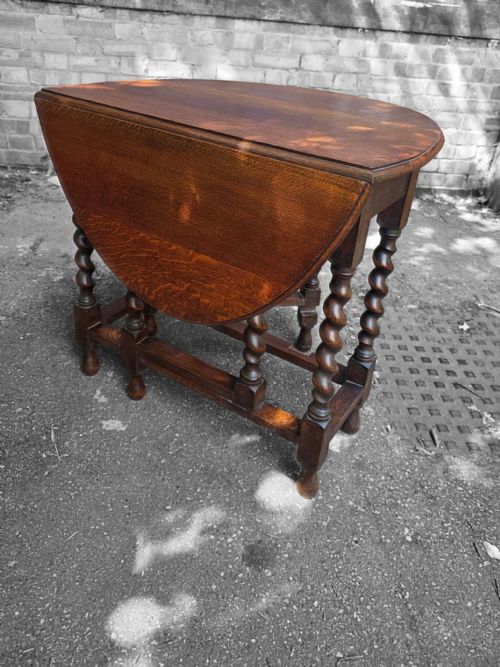
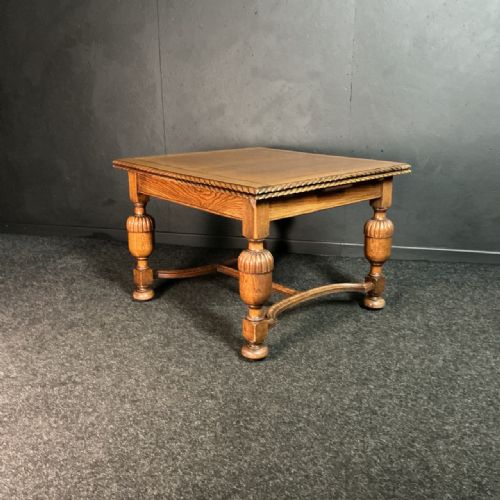
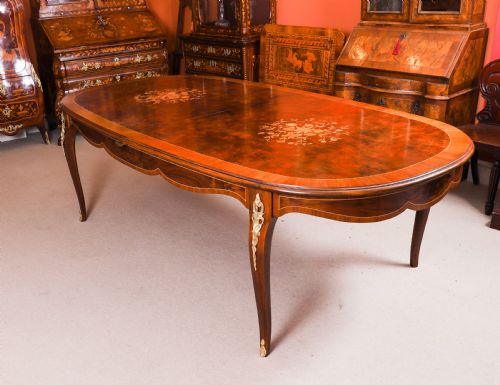
When you search for a 1920s dining table, you encounter a diverse selection spanning oak refectory tables, gateleg designs, and striking Art Deco suites in burr walnut or rosewood. English oak versions frequently display traditional barley twist legs and draw leaf mechanisms suited to everyday meals and family gatherings.
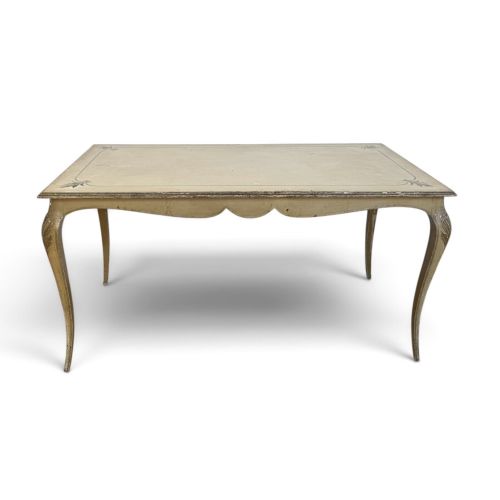
Beyond traditional English oak, the period embraces French Art Deco extending tables and painted Louis XV revival pieces alongside industrial steel and metalwork frames. You will also find lighter golden quartered oak trestle tables alongside substantial mahogany and yew wood farmhouse variants.
The selection ranges from compact drop-leaf tables designed for smaller spaces to large ten-foot or eleven-piece dining suites accompanied by matching chairs and sideboards. These pieces reflect a dynamic transition between classical revivals and modern design movements during the early twentieth century.
How They Were Made
Carpenters utilised solid oak, mahogany, walnut, and exotic veneers such as calamander, macassar, and ebony applied over robust timber carcases. Draw leaf and gateleg mechanisms relied on precise wooden joints to allow functional extension without compromising stability.
Ornamentation involved detailed brass inlays, ormolu mounts, hand-carved barley twist turnings, and painted or gilded finishes applied to French revival frames. Metalwork tables employed industrial steel and folding iron construction for utilitarian strength and versatility.
1920s Dining Table Retail Price Guide 2026
Typical asking prices for 1920s dining table among the pieces listed under this phrase on Sellingantiques today, from the lower quarter to the upper quarter. They describe what is for sale here now, not the wider market.
Listings feature oak, walnut, mahogany, and steel materials across diverse styles including Arts and Crafts, Art Deco, and Jacobean Revival.
What Varies in Quality
Quality rests upon the selection of timber grains, from quartered oak boards to book-matched burr walnut veneers, and the integrity of the underlying joinery. Tables featuring smooth extension mechanisms and stable, well-turned legs demonstrate superior workshop production.
The distinction between standard commercial output and workshop pieces by makers such as Heals or the Cotswold school lies in proportion, material selection, and thoughtful hand-detailing. Finishes that preserve the natural depth of the wood grain elevate the overall execution of the piece.
Heals·M. D. Miller and Sons·Elkington and Co·Harry and Lou Epstein
The 1920s Dining Table Glossary
- Gateleg table
- A table with hinged leaves supported by swing-out legs that fold out to hold the flaps. This practical design allows the surface area to expand or contract depending on dining requirements.
- Draw leaf table
- A table equipped with underleaves that slide out from beneath the main top to extend its length. It provides a simple mechanical solution for accommodating extra guests.
- Refectory table
- A long, narrow dining table traditionally built with sturdy legs connected by low stretchers for stability. The style finds renewed expression in twentieth-century oak dining spaces.
- Art Deco
- A design style emerging in the interwar years characterised by streamlined geometric forms, symmetric patterns, and exotic wood veneers. It represents a sharp departure from heavy Victorian historicism.
- Barley twist
- A decorative turning technique resembling a twisted rope, commonly found on the legs of early twentieth-century oak tables. It adds textural movement and traditional English character.
1920s Dining Table: Frequently Asked Questions
How do I identify a 1920s dining table?
Examine the timber species, construction methods, and hardware integration to establish the period. Tables from this era frequently combine traditional forms like oak gatelegs with contemporary Art Deco veneers or industrial metal components.
Look closely at the underneath construction and joints for signs of period hand-tooling or mechanical innovations specific to the interwar decades.
Are 1920s dining tables practical for daily use?
Many designs incorporate extendable leaves, drop-leaves, or draw mechanisms built specifically to accommodate changing seating needs. Solid oak and mahogany construction provides the durability required for everyday family meals.
Consider the clearance of the legs and stretcher bases when matching chairs to ensure comfortable seating arrangements around the table.
What wood types were popular in the 1920s?
Oak remained a dominant material for traditional English gateleg and refectory furniture, often finished with a light or golden tone. Walnut, mahogany, and exotic veneers such as macassar and burr walnut defined high-end modernist dining suites.
Industrial and utilitarian pieces also utilised painted steel and iron alongside traditional hardwoods to achieve diverse aesthetic goals.
How do I care for a vintage wood table?
Maintain the finish by dusting regularly with a soft, dry cloth and avoiding harsh chemical cleaning agents. Protect the surface from moisture and direct heat by using coasters and placemats.
Period wax can be applied periodically to nourish timber veneers and maintain a natural sheen without building up heavy residues.