



1915 Diamond Ring
A 1915 diamond ring combines early twentieth-century platinum and gold work with old cut stones, offering distinct Edwardian and Art Deco character for daily wear.
1915 Diamond Ring
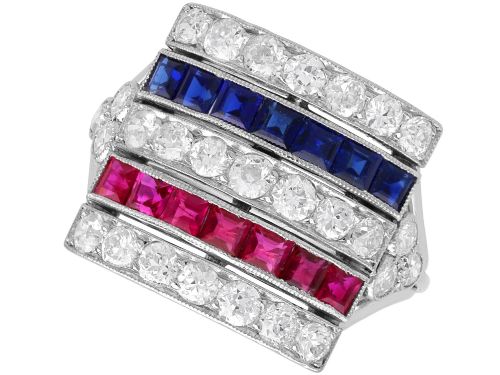
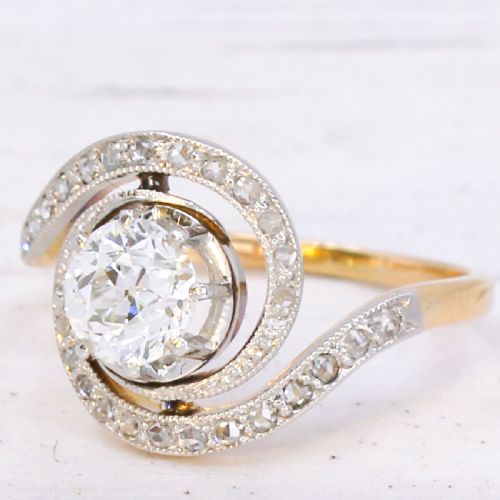
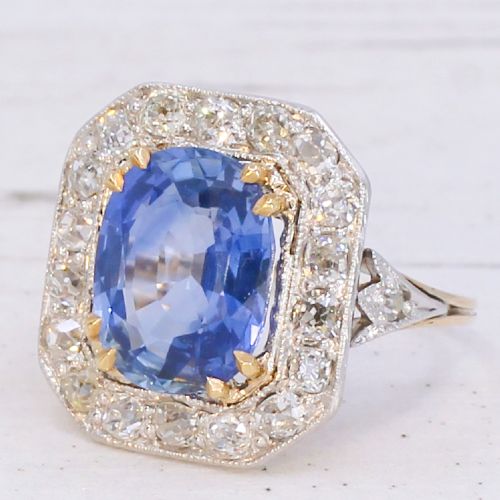
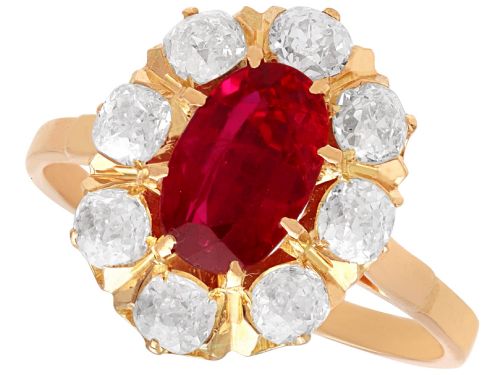
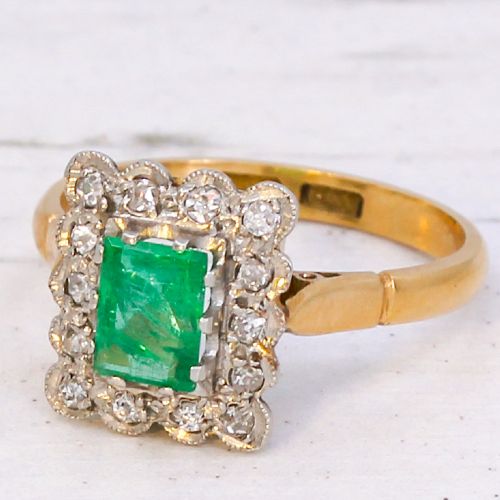
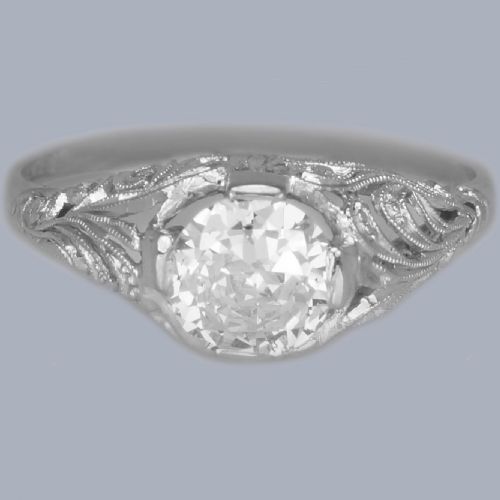
Cluster configurations dominate the selection, frequently pairing central diamonds with coloured gemstones such as Ceylon sapphires, rubies, and emeralds. Alongside these clusters, single-stone solitaire rings feature old cut diamonds mounted in platinum or yellow gold. These forms reflect the prevailing jewellery design of the era, balancing delicate floral or navette contours with robust stone settings.
Materials and construction
The physical build of these rings relies on a combination of precious metals, predominantly platinum and various shades of gold including yellow and 18ct rose gold. Platinum settings allow for delicate claw and millegrain work that securely holds the stones while minimising visible metal. Yellow and rose gold shanks provide a warm structural contrast to the bright white sparkle of the mounted diamonds.
Gemstone selection focuses on old cut diamonds, natural pearls, and vibrant treated or untreated stones like rubies and Ceylon sapphires. Master jewellers of the period utilised traditional hand-fabrication techniques, shaping precious metals and cutting stones by hand to maximise brilliance under candlelight and gaslight.
1915 Diamond Ring Retail Price Guide 2026
Typical asking prices for 1915 diamond ring among the pieces listed under this phrase on Sellingantiques today, from the lower quarter to the upper quarter. They describe what is for sale here now, not the wider market.
Gemstone combinations incorporate rubies, emeralds, and Ceylon sapphires alongside diamonds.
Quality factors in period rings
The grade of a 1915 diamond ring rests heavily on the quality and cut of the central gemstones, particularly the presence of desirable old cut diamonds and certified Ceylon sapphires. Fine specimens exhibit well-matched stone sizes and colours within cluster arrangements, whereas simpler examples may display greater variance in stone proportions.
The integrity of the metalwork also distinguishes finer pieces, seen in the crispness of millegrain borders and the precision of the setting claws. Rings that retain their original structural depth and show minimal wear to the delicate platinum work represent the higher tier of period craftsmanship.
The 1915 Diamond Ring Glossary
- Old cut diamond
- A diamond cut by hand before modern machinery standardised proportions, typically featuring a smaller table and larger culet. This facet arrangement creates a distinct softer glow compared to brilliant cut stones.
- Millegrain
- A decorative jewellery technique involving a row of tiny raised metal beads along the edges of a setting. It softens the metal profile and adds texture.
- Navette ring
- A ring featuring an elongated, boat-shaped face that tapers at both ends. This silhouette flatters the finger and allows for multi-stone arrangements.
- Solitaire
- A ring setting designed to showcase a single central gemstone without secondary accent stones. This minimalist approach emphasises the quality of the primary diamond.
1915 Diamond Ring: Frequently Asked Questions
What styles define a 1915 diamond ring?
Pieces from this period frequently display Edwardian grace, Art Nouveau curves, and early Art Deco geometric layouts.
The overlapping aesthetics mean buyers see both flowing cluster designs and structured solitaire mountings.
Which metals are common in these rings?
Platinum and yellow gold are standard, alongside occasional uses of 18ct rose gold.
Platinum gained popularity for its strength in delicate wirework, while gold formed the supportive shanks.
Can I wear a 1915 ring daily?
These rings were built for everyday adornment using durable precious metals like platinum and gold.
Routine checks by a jeweller help ensure the old settings and claws remain secure.
Are coloured stones typical for 1915 rings?
Coloured gemstones appear regularly alongside central diamonds in cluster configurations.
Ceylon sapphires, rubies, and emeralds are among the prominent coloured stones paired with old cut diamonds.