

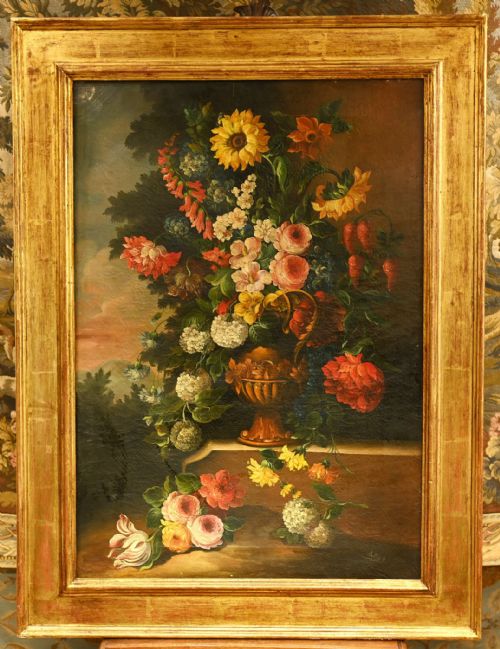


1900s Artwork
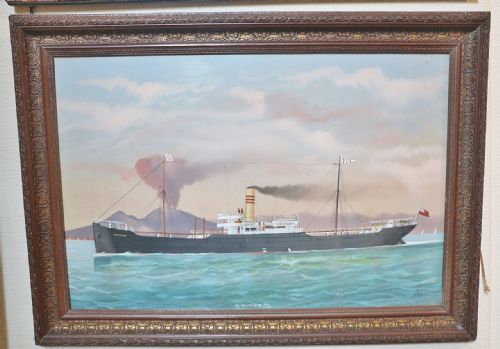
These 1900s artwork pieces span pastoral scenes and maritime portraits, offering buyers a genuine window into early twentieth-century visual culture.
1900s Artwork
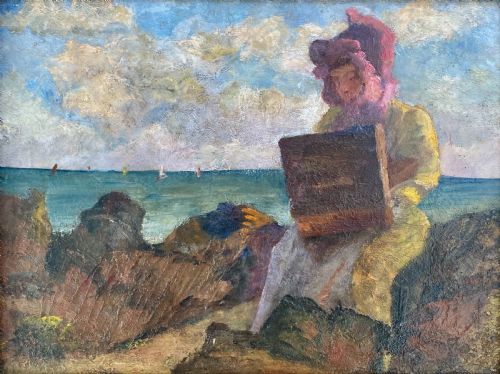
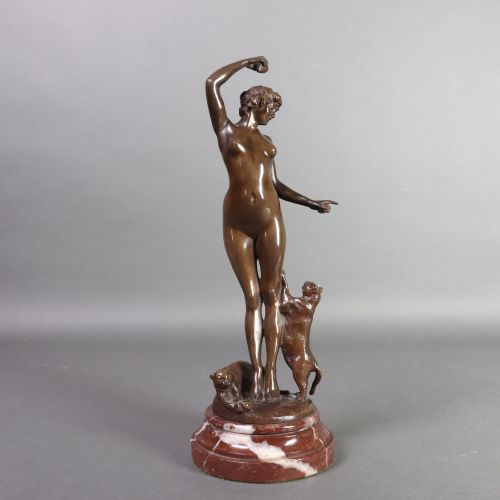
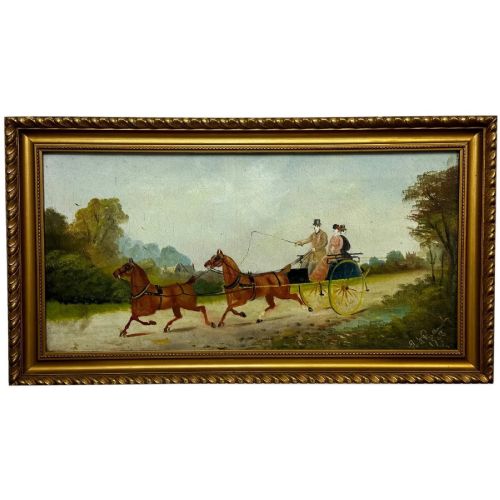
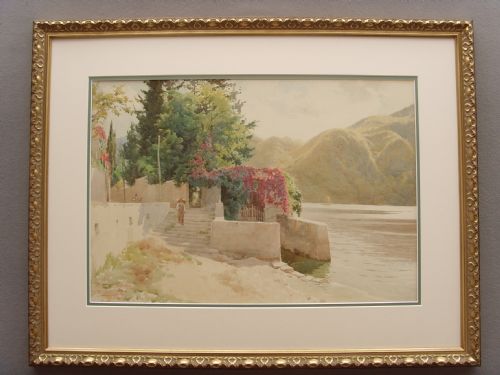
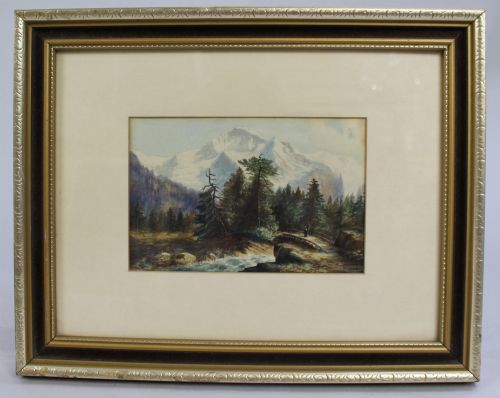
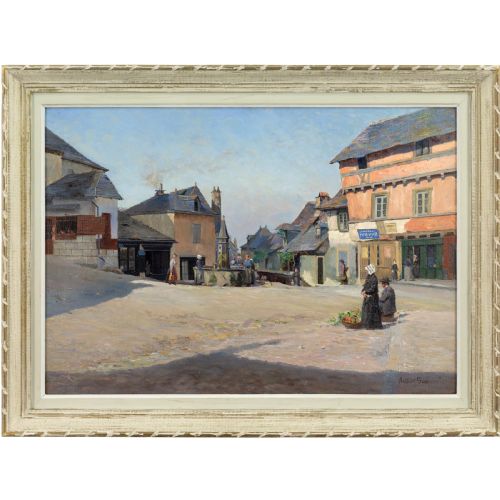
The pieces on this page lean heavily towards traditional British and European aesthetics, including Edwardian pastoral scenes, Post-Impressionist harbour views, and Art Nouveau bronzes. Buyers most frequently meet framed portraits and river landscapes carrying dates from the turn of the century up to the 1910s.
Materials and techniques
Makers utilised traditional supports such as canvas, paper, wood, and silk to create these works, applying oil, watercolour, pastel, and gouache pigments. Many pieces incorporate gilt frames, gold leaf, and gilt wood surrounds that complement the fine art paintings within.
Sculptural works from this period involve cast bronze techniques, while paintings demonstrate precise brushwork across diverse subjects like floral still lifes and architectural cityscapes. The physical construction relies on period framing methods and stable panel supports.
1900s Artwork Retail Price Guide 2026
Typical asking prices for 1900s artwork among the pieces listed under this phrase on Sellingantiques today, from the lower quarter to the upper quarter. They describe what is for sale here now, not the wider market.
Periods represented span the 19th Century, Edwardian era, 1900, 1910, 1920, 1930, and 1940.
Distinctions in quality
Quality in these works rests upon the precision of the draughtsmanship and the artist's handling of light and atmosphere, particularly in landscape and maritime scenes. Superior pieces display confident brushwork and secure provenance associated with named painters.
The condition of the original support, whether canvas, paper or wood panel, dictates the longevity and visual integrity of the piece. Finer examples retain their original gilt frames and signed signatures, whereas lesser works may show pigment degradation or later reframing.
Gustave Dussart·Robert George Talbot Kelly·Arthur Wardle·Edward Henry Eugene Fletcher·Adolphe Alexandre Lesrel
The 1900s Artwork Glossary
- Art Nouveau
- A stylistic movement characterised by organic, sinuous lines and natural motifs, visible in period bronzes and decorative pieces.
- Edwardian
- Pertaining to the reign of King Edward VII, defining a period of elegant pastoral and sporting art.
- Gouache
- An opaque water-based paint medium that yields vibrant colour and solid coverage on paper or board supports.
- Post-Impressionism
- An art movement extending Impressionist techniques with heavier emphasis on symbolic content and expressive brushwork.
- Provenance
- The documented history of ownership that establishes the authenticity and origin of a work of art.
1900s Artwork: Frequently Asked Questions
What subjects appear in 1900s artwork?
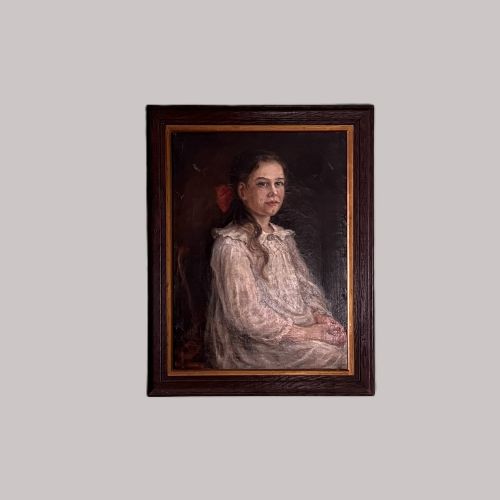
The inventory comprises a wide variety of subjects including maritime scenes, portraiture of young beauties, rural landscapes, and sporting dog paintings. Artists frequently recorded contemporary life, historical genre scenes, and tranquil coastal views.
These diverse motifs reflect the varied tastes of collectors operating during the Edwardian period and the early twentieth century.
How should I care for oil paintings on canvas?
Oil paintings require stable indoor environments away from direct sunlight and extreme humidity fluctuations to prevent canvas slackening and paint cracking. Gentle dusting with a soft, dry brush maintains the surface.
Avoid using liquid cleaners or abrasive cloths on the painted surface or the surrounding gilt wood frames.
How do I identify an Edwardian watercolour?
Edwardian watercolours are executed on paper supports, often protected beneath glass within a traditional mount and frame. They typically exhibit delicate washes, visible artist signatures, and dates from the early 1900s.
Examining the reverse often reveals framer labels or handwritten inscriptions detailing the title and location of the scene.
Where were these paintings displayed originally?
Original owners displayed these framed portraits and landscapes in domestic parlours, country houses, and formal drawing rooms. They served as primary decorative focal points for Edwardian interiors.
Today, these pieces transition easily into modern living spaces, retaining their traditional decorative appeal.