
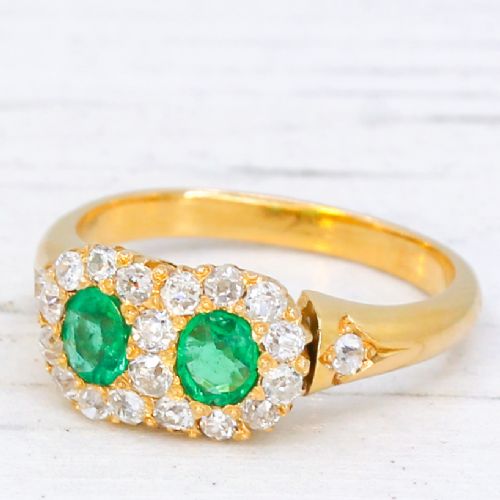
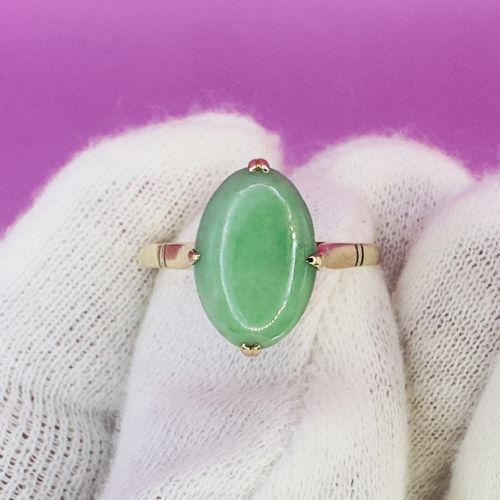


1900 Gold Gemstone Ring
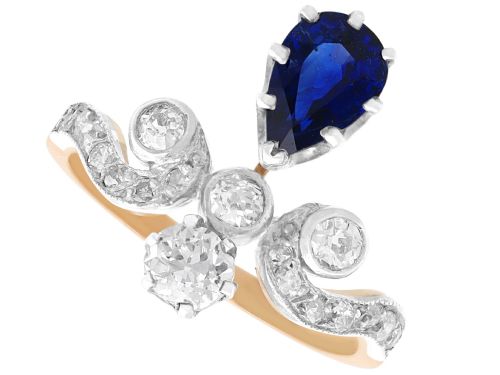
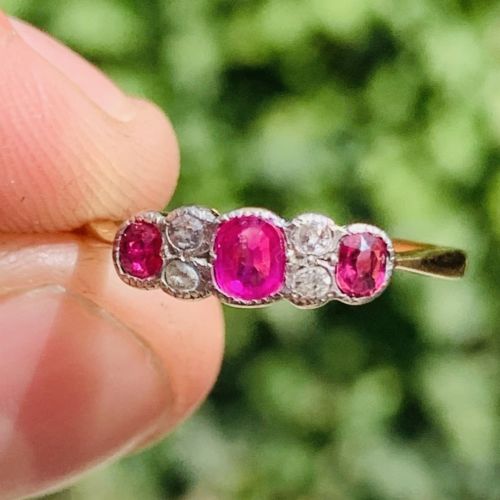
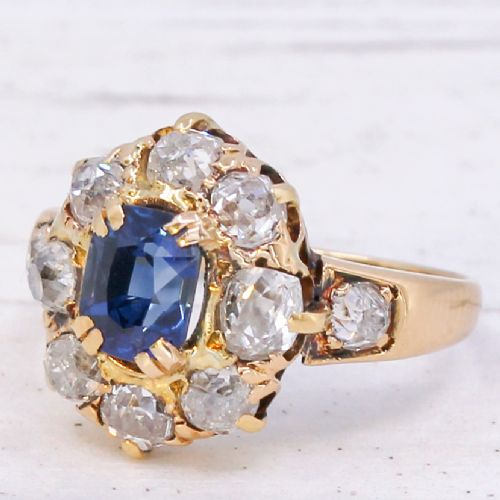
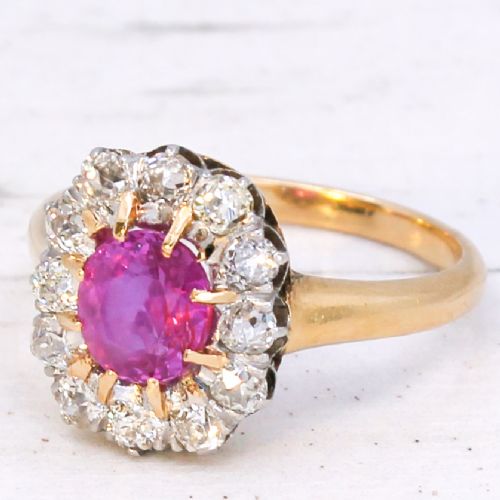
These pieces are a 1900 gold gemstone ring, capturing the elegance of late Victorian and Edwardian craftsmanship through fine stones and precious metals.

1900 Gold Gemstone Ring
A 1900 gold gemstone ring encompasses fine jewellery created around the turn of the twentieth century, spanning late Victorian, Edwardian and early Art Nouveau periods. These rings present distinct historical styles, often bridging the ornate detailing of the nineteenth century with the lighter, flowing lines of the Edwardian era.
Originating from British workshops, as evidenced by provincial hallmarks including Birmingham and Chester, these rings reflect the diverse gemstone preferences of the period. Sapphires, rubies and diamonds dominate the selection, alongside amethyst, peridot, turquoise, aquamarine and jade.
Materials and construction
Makers utilised yellow gold, 18ct gold, 15ct gold and platinum to form the structural mounts and settings for each 1900 gold gemstone ring. Platinum frequently appears alongside gold in later settings to securely hold diamonds while maintaining a bright, white appearance around the stones.
Gemstones including old cut diamonds, unheated Burmese rubies, sapphires, emeralds and pearls are hand-set into cluster, solitaire, trilogy and five stone configurations. Detailed claw and bezel settings secure each stone, while figural elements showcase hand-carved motifs such as reclining women typical of the Art Nouveau style.
A reclining woman made of gold watches over an aquamarine, proving that Edwardian jewellers possessed a theatrical sense of romance.
Distinctions in quality
Quality in a 1900 gold gemstone ring rests upon the natural origin and treatment status of the gemstones, such as unheated sapphires and rubies, paired with the weight and clarity of old cut diamonds. The integrity of the metalwork, whether crisp hallmarks or delicate claw settings, further defines the execution.
The sophistication of the design, from balanced cluster arrangements to intricate Art Nouveau figural work, separates standard production from exceptional examples. Retention of original stones and clear assay office marks from locations like Birmingham or Chester elevate a piece's historical integrity.
The 1900 Gold Gemstone Ring Glossary
- Old cut diamond
- A diamond cut popular before the modern brilliant cut, typically featuring a smaller table, higher crown and open culet. These stones exhibit a softer, candlelit sparkle characteristic of period jewellery.
- Cluster ring
- A ring design featuring a central gemstone surrounded by a border of smaller stones, often diamonds or pearls. This layout maximises visual presence and light reflection.
- Hallmark
- An official stamp applied by an assay office indicating the purity of the precious metal and the origin of manufacture. Marks from cities like Birmingham and Chester provide precise provenance.
- Solitaire
- A ring set with a single gemstone, typically a diamond, ruby or sapphire. This form emphasises the quality and character of the main stone.
- Trilogy ring
- A three-stone ring traditionally symbolising the past, present and future. In this period, they frequently combine central sapphires or rubies with flanking diamonds.
1900 Gold Gemstone Ring: Frequently Asked Questions
How do I care for my ring?
Clean your ring gently using warm soapy water and a soft brush, avoiding harsh chemical dips that can damage softer stones like pearls or turquoise.
Store the piece separately in a fabric-lined box to prevent scratching between harder diamonds and softer gem materials.
What periods do these rings date from?
These rings date primarily from around 1900, spanning the late Victorian period, the Edwardian era, and early Art Nouveau designs.
Assay marks and specific stylistic motifs help identify the exact manufacturing period within this turn-of-the-century window.
Are the gemstones treated?
Many rubies and sapphires from this era are unheated, retaining their natural geological properties without modern enhancement.
Gemstone descriptions indicate specific origins, such as Burmese rubies or Colombian emeralds, alongside untreated statuses where documented.
Can these rings be resized?
Most gold and platinum rings from this period can be adjusted by a skilled jeweller experienced in antique pieces.
Care must be taken during resizing to preserve original hallmarks stamped on the inside of the band.