


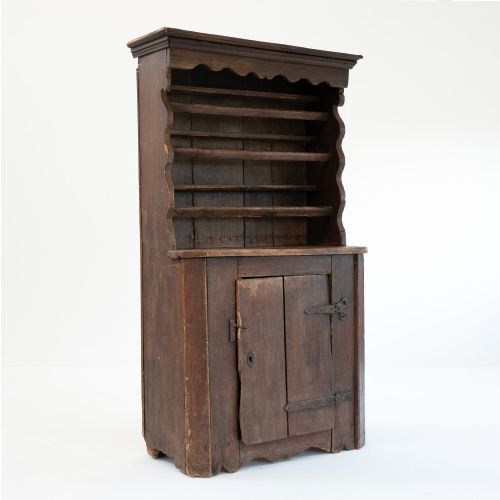
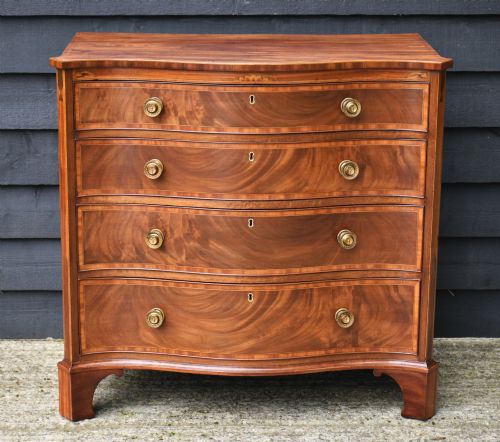
18th Century Wooden Cabinet
An 18th century wooden cabinet brings centuries of craftsmanship into a room, offering both practical storage and a distinct historical presence.
18th Century Wooden Cabinet
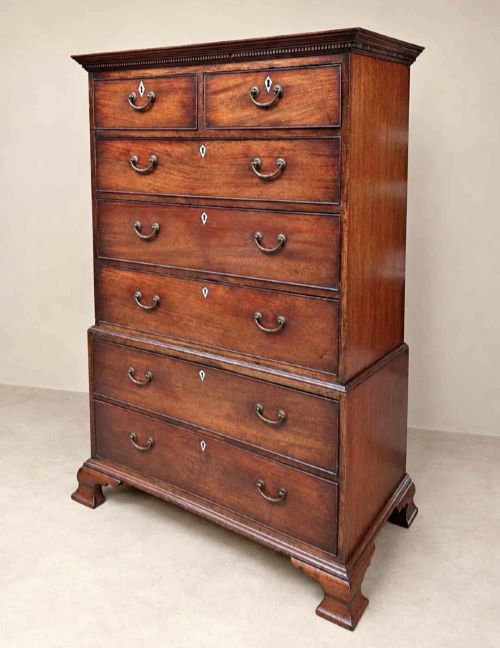
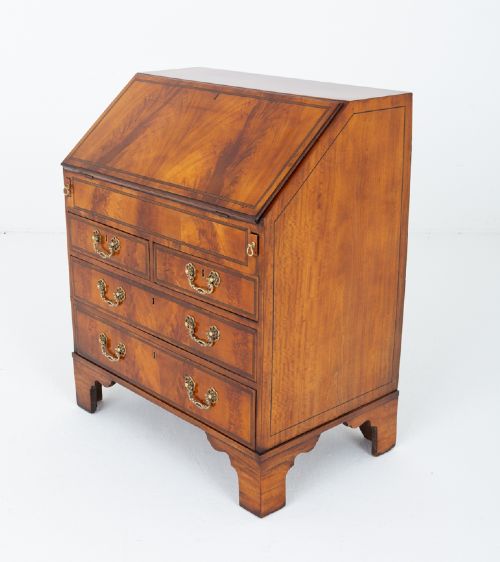
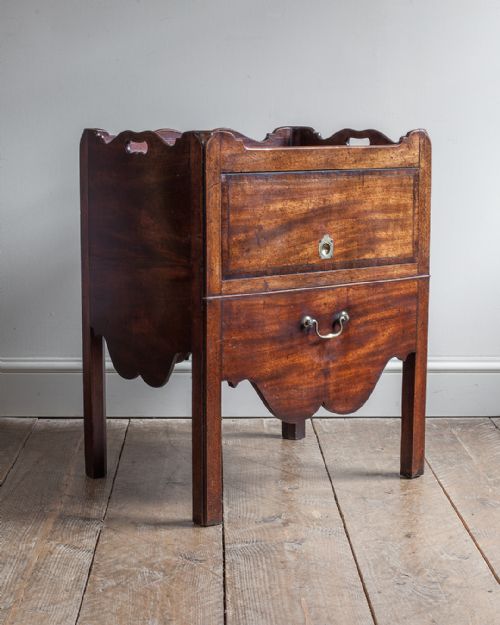
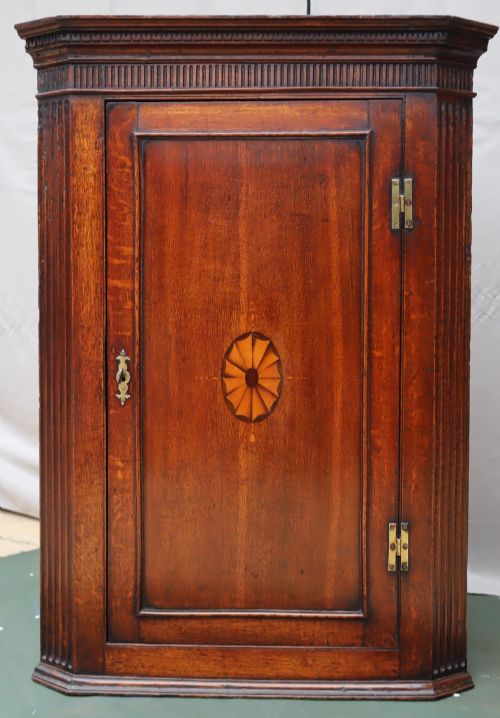
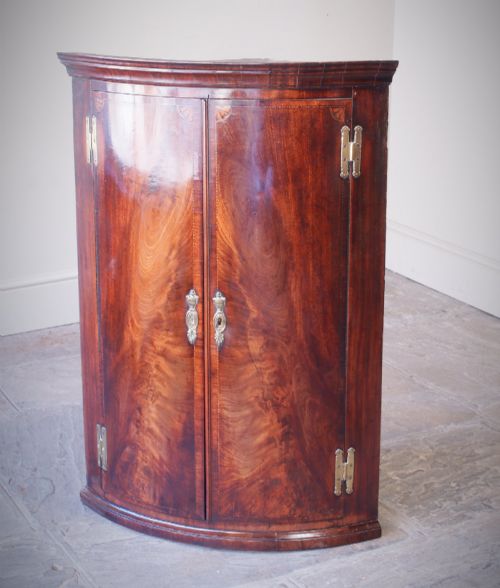
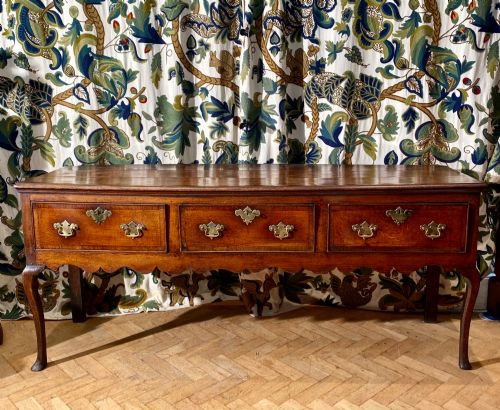
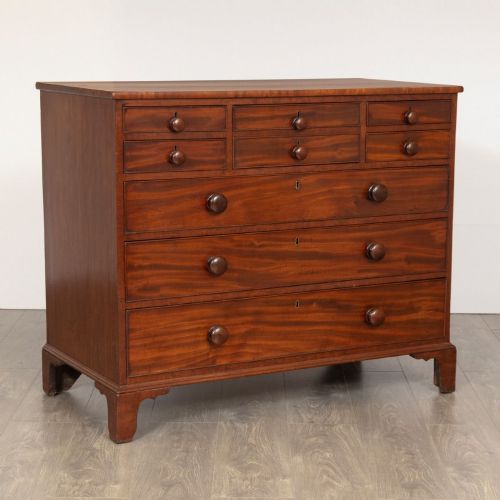
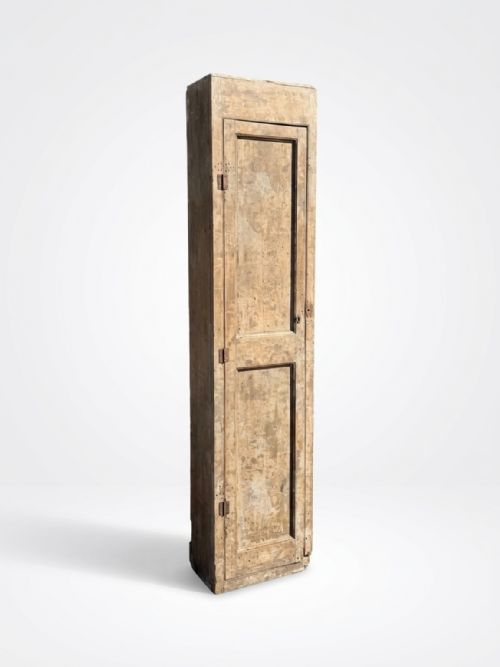
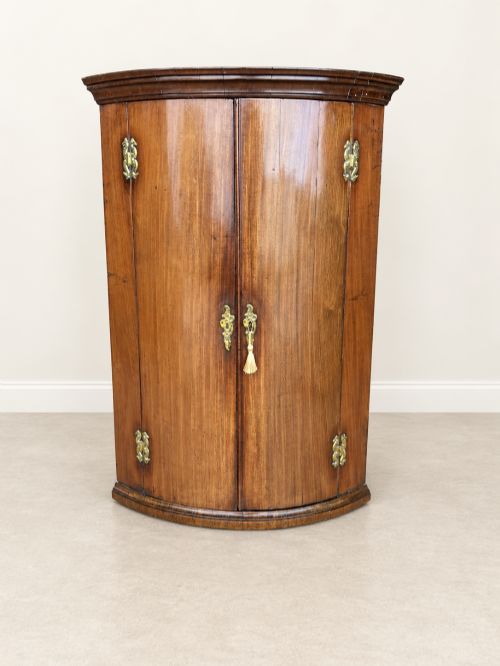
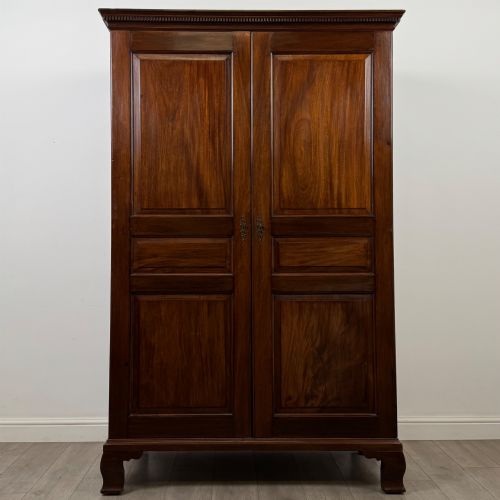
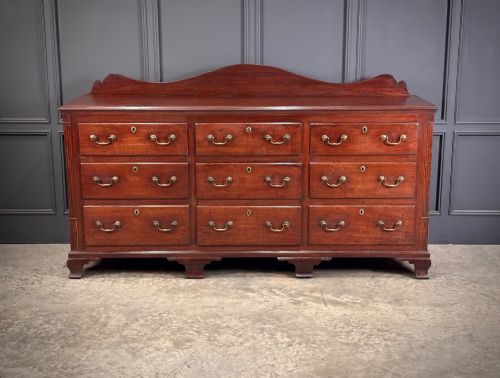
An 18th century wooden cabinet spans a wide variety of domestic storage forms, from small spice cupboards and spice boxes to large breakfront wardrobes and bookcases. Buyers searching for this phrase encounter pieces designed for specialised uses, such as cellarettes, apothecary chests, and bedside tables alongside grander Georgian sideboards.
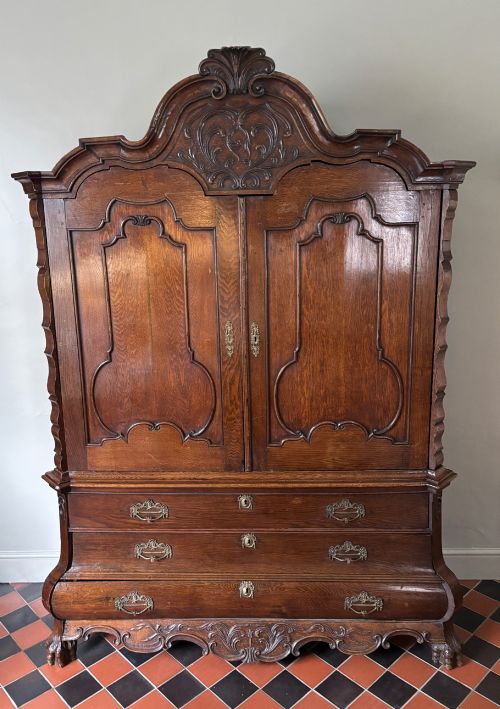
The pieces on this page originate predominantly from the Georgian period, with examples stretching from Queen Anne walnut designs through to George III and Sheraton styles. Regional variations also appear, including Irish country furniture, French commodes, Dutch marquetry, and Welsh elm food cupboards.
Mahogany and oak dominate the forms, supplemented by walnut, satinwood, and elm. Buyers are most likely to meet substantial oak and mahogany storage furniture built to serve domestic households across Britain and continental Europe during the seventeen-hundreds.
Materials and construction methods
Cabinet makers relied heavily on hardwoods like oak, mahogany, and walnut, selecting them for structural integrity and grain figure. Secondary timbers often included pine or fruitwoods for internal drawer linings and backboards, joined using traditional dovetail and mortise and tenon techniques.
Decorative surfaces employed crossbanding, marquetry, and inlay utilising specialist woods such as satinwood and harewood. Hardware consisted of cast brass drop handles, escutcheons, and hinges that complemented the timber tones.
Painted finishes appear on specific regional pieces, utilising natural pigments on elm, cherrywood, or pine surfaces. Wax and oil finishes were applied to seal the timber while highlighting the natural figuring of the grain.
Listings feature oak, mahogany, walnut, satinwood, and elm across multiple regional styles from the Georgian period.
Distinctions in quality
The calibre of an 18th century wooden cabinet rests upon the selection of timber and the precision of its construction. Superior pieces feature finely figured mahogany or burr walnut matched symmetrically across drawer fronts and doors, whereas lower tiers utilise plain, utility-grade boards.
Joinery detail separates fine workshop production from basic carpentry, visible in hand-cut dovetails, secondary wood choices, and original brass hardware. The integration of complex decorative elements such as marquetry, stringing, and crossbanding requires advanced skill that distinguishes master cabinet makers from regional joiners.
The 18th Century Wooden Cabinet Glossary
- Cellarette
- A lockable container used for storing bottles of wine or spirits. These boxes often sat on the floor or on dedicated stands.
- Marquetry
- The art of applying pieces of veneer to a structure to form decorative patterns and pictures. Craftsmen utilised contrasting timbers like walnut, satinwood, and fruitwoods to achieve pictorial depth.
- Crossbanding
- A strip of veneer applied perpendicularly to the grain of the main surface. This technique created a neat border around drawer fronts and tabletops.
- Tallboy
- A tall chest of drawers consisting of one chest stacked on top of another. This form maximised vertical storage space in bedrooms.
- Escutcheon
- A protective plate surrounding a keyhole. These fittings were typically cast from brass and shaped to match the prevailing style of the furniture.
18th Century Wooden Cabinet: Frequently Asked Questions
How do I date an 18th century wooden cabinet?
Dating relies on examining construction methods, timber choices, and hardware styles. Hand-cut dovetails, secondary wood species, and original brass fixings provide key chronological indicators.
Changes in furniture design from the heavy walnut of the Queen Anne era to the refined mahogany of the Sheraton period help narrow down the exact decade of manufacture.
Where were these cabinets placed in a home?
These cabinets served various domestic functions depending on their specific form. Spice cupboards and apothecaries were kept in kitchens or private rooms, while large wardrobes and chests stood in bedrooms.
Sideboards and cellarettes were utilised in dining rooms for serving food and storing beverages during formal meals.
Are these cabinets suitable for modern homes?
These pieces integrate well into contemporary interiors by offering functional storage with historical character. Their compact bedside tables and corner cupboards adapt easily to smaller modern spaces.
Larger bookcases and chests provide substantial storage capacity while serving as focal points in living areas.
What is the difference between oak and mahogany furniture?
Oak furniture tends to be associated with earlier 18th century pieces and regional country workshops. The timber has a visible, coarse grain and provides robust structural durability.
Mahogany became popular later in the century, allowing for finer carving details, richer reddish-brown tones, and smoother polished surfaces.