


18th Century Wood Sculpture
These pieces of 18th century wood sculpture bring centuries of carved religious devotion and classical ornament straight into a room.
18th Century Wood Sculpture
When you search for 18th century wood sculpture, you encounter a diverse gathering of carved figures, architectural fragments, and religious panels from across Europe. The selection spans distinct regional traditions, from Italian Baroque church pieces to folk art carvings and domestic decorative reliefs.
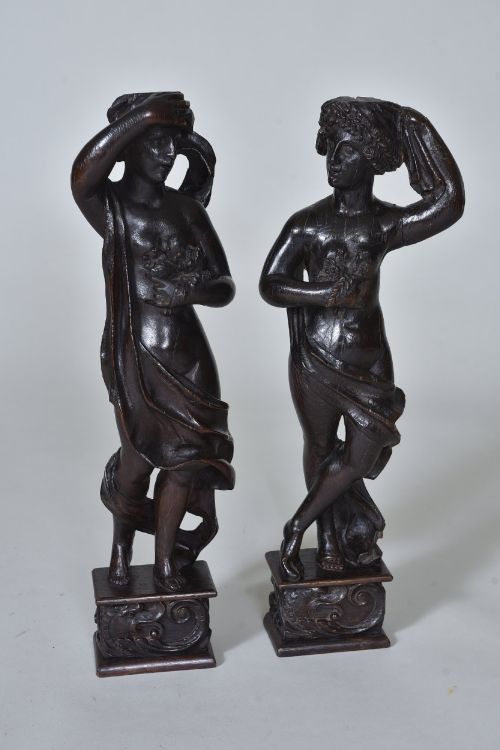
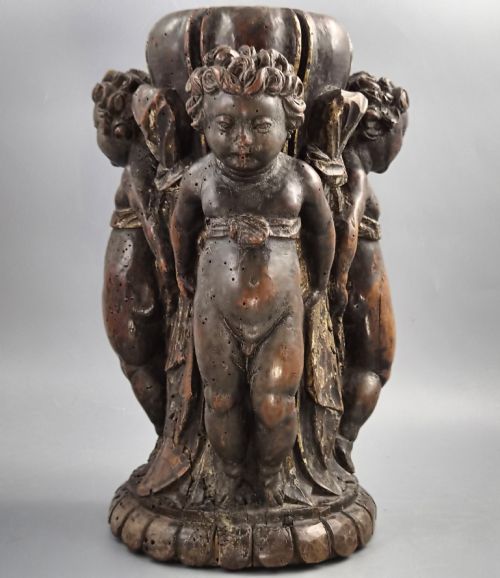
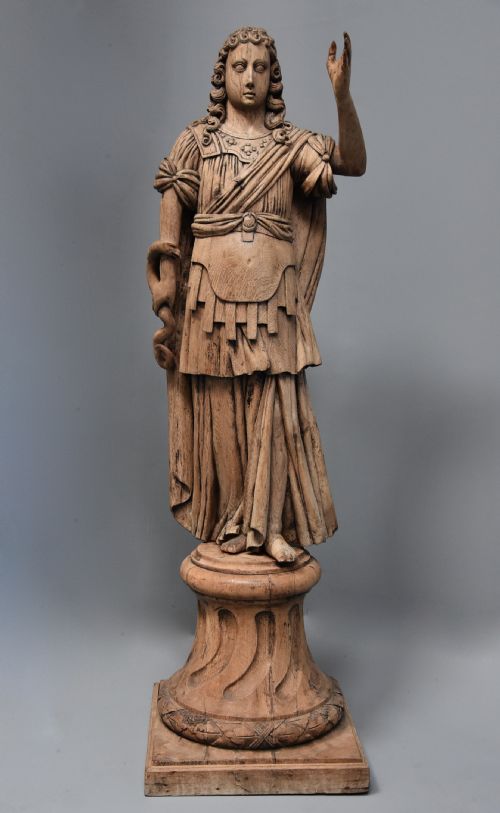
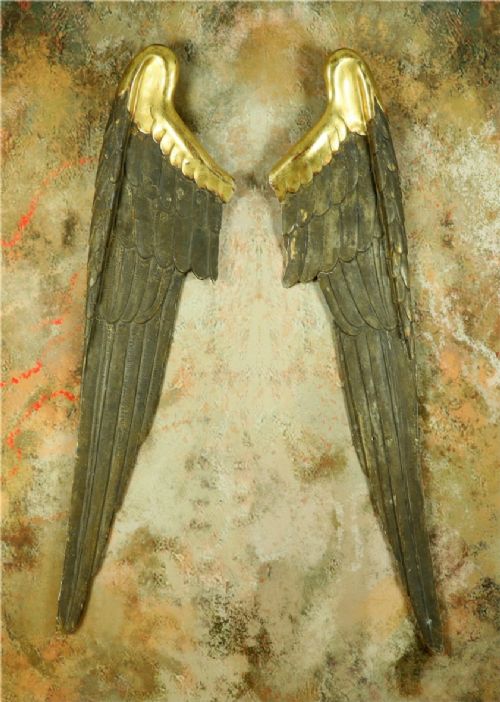
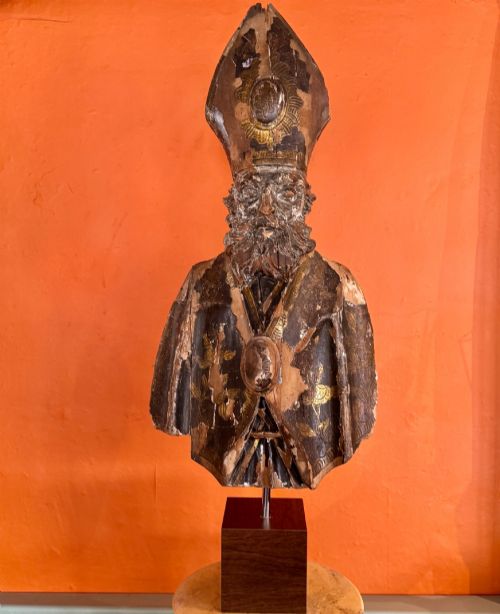
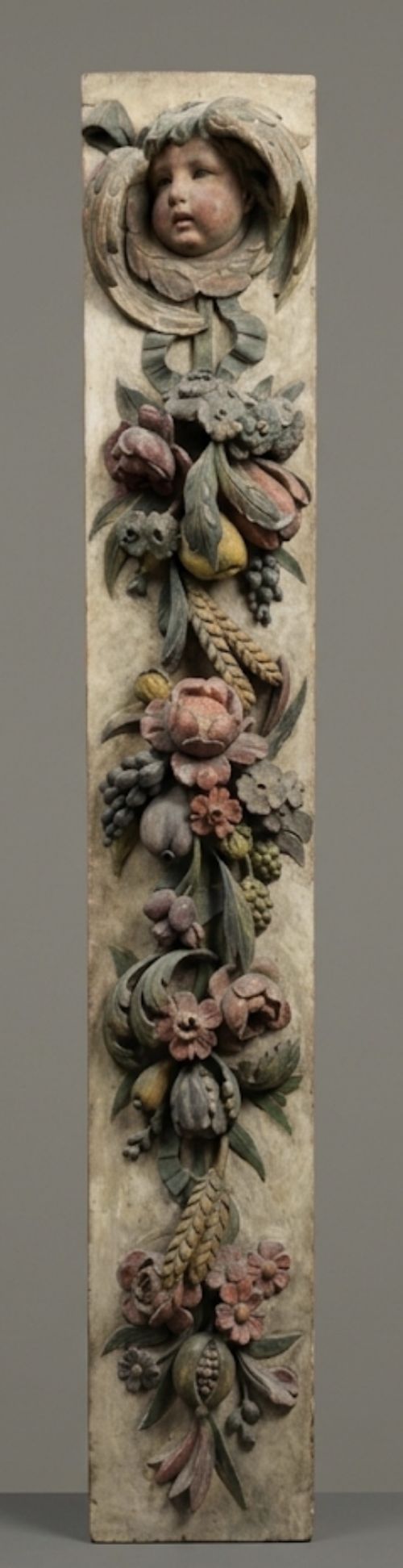
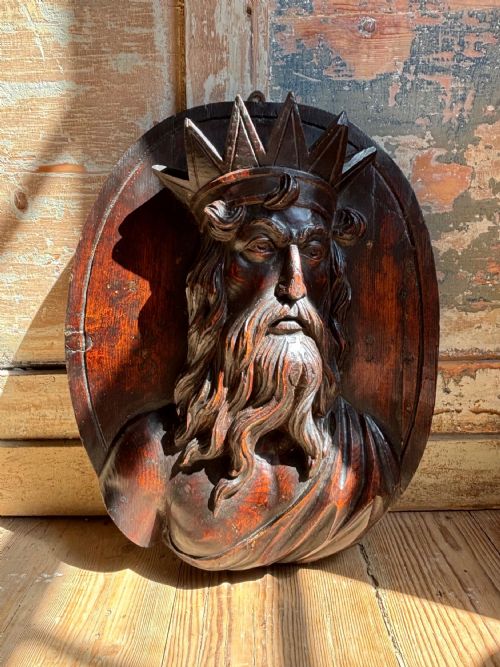
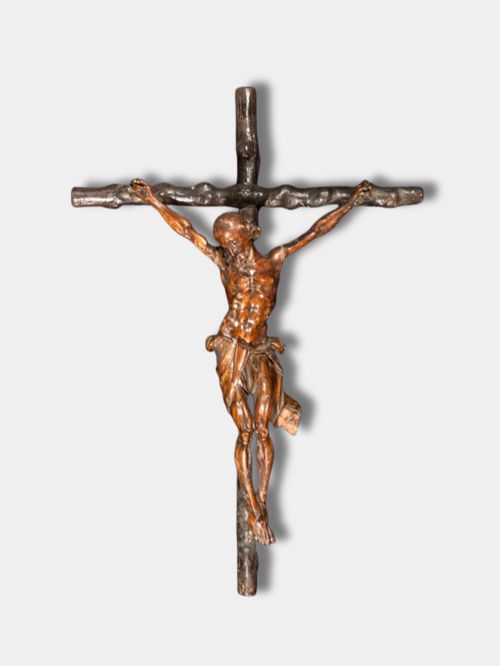
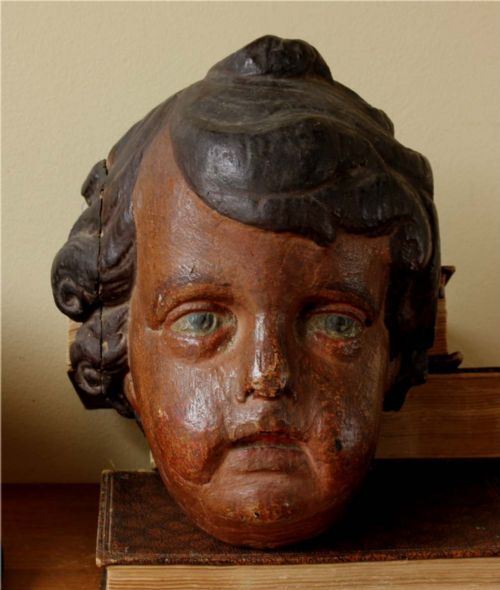
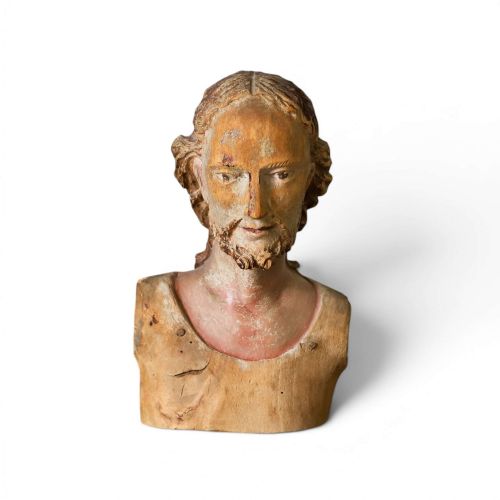
You are most likely to meet figures of saints, cherub heads, and architectural ornaments carved during the 1700s. These range from life-size walnut and oak statues to smaller devotional panels and gilt-wood fragments.
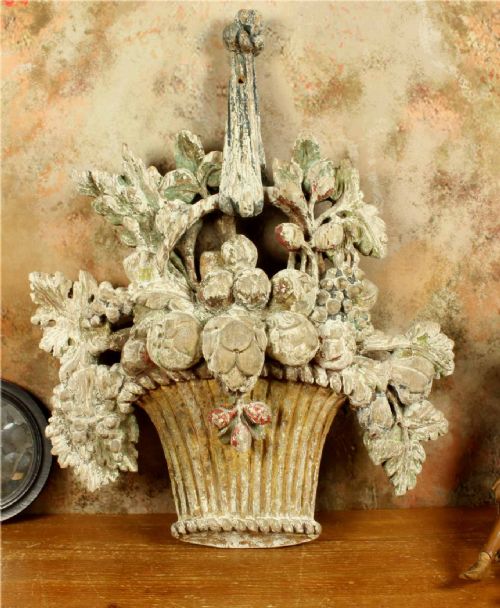
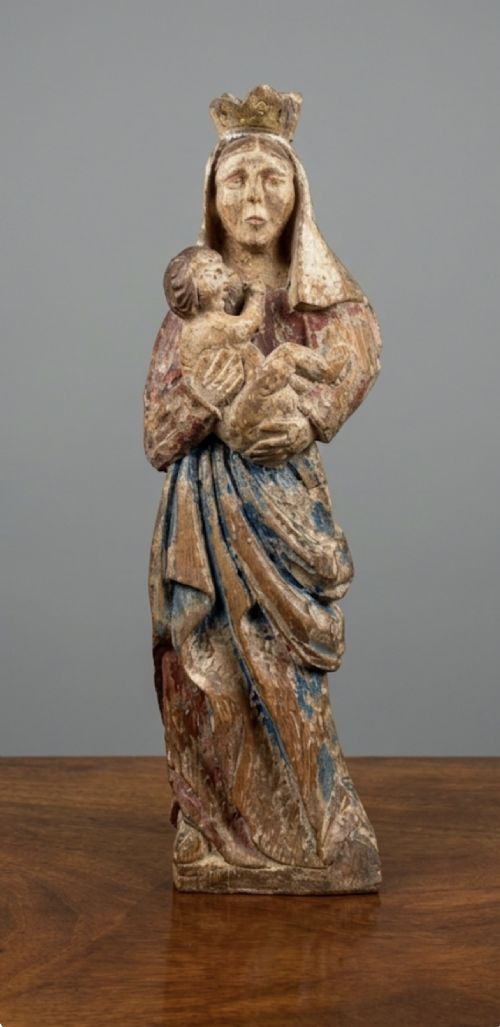
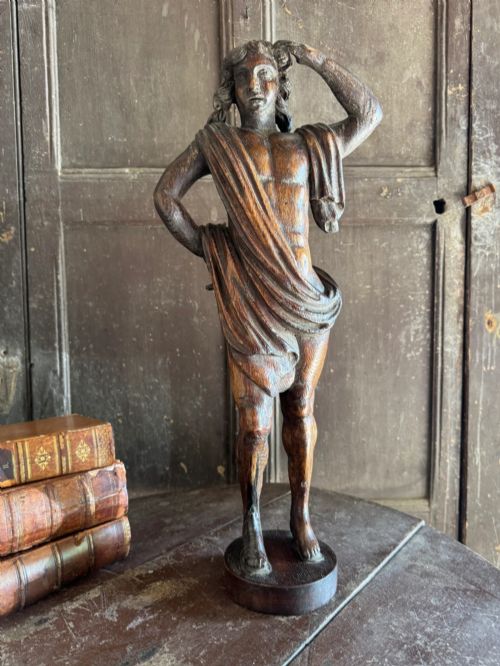
The objects frequently reflect the ecclesiastical and classical tastes of the period, appearing as bishops, putti, and mythological subjects like Neptune or the goddess Fortuna. Oak, walnut, and lime wood dominate the forms, often retaining traces of their original polychrome paint or gold leaf.
How They Were Made
Carvers shaped these works from native hardwoods such as oak, walnut, elm, and lime wood using gouges and chisels. Figures were often carved from a single block or assembled from sections for larger compositions like life-size saints and architectural pediments.
Materials across these listings include oak, walnut, elm, lime wood, gesso, gold leaf, and polychrome paint.
What Varies In Quality
The standard of carving defines the upper tier of these sculptures, distinguishing fluid, anatomical drapery and expressive faces from stiffer, more naive folk art pieces. Master carvers achieved depth and movement in hair, wings, and muscle structures.
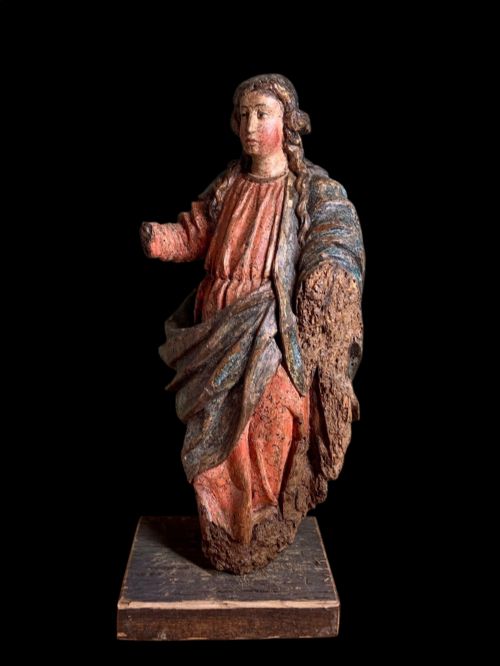
The survival of original surface treatments plays a major role in establishing the character of a piece. Traces of early polychrome paint and genuine gold leaf retain historic integrity that over-painted or stripped surfaces lose.
Grinling Gibbons·Simon Troger·Ralph Wood
The 18th Century Wood Sculpture Glossary
- Polychrome
- Painted in several colours. This term describes wooden sculptures and panels retaining their historic painted decoration.
- Gesso
- A plaster mixture applied to wood as a base for paint or gilding. It provided a smooth surface for fine decorative work.
- Torchiere
- A tall stand or candlestick. In sculpture, torchiere bases often took the form of carved figures or putti holding supports.
- Pediment
- A triangular or curved architectural crown. Carved wood pediments decorated furniture and interior doorways during the period.
18th Century Wood Sculpture: Frequently Asked Questions
Were these sculptures originally meant for churches?
Many of these pieces originated in European churches, convents, or domestic chapels as devotional aids and architectural furnishings. Figures of saints, bishops, and crucifixes served active roles in religious spaces.
Other items, such as decorative plaques, floral baskets, and mythological figures, were created for secular interiors and grand townhouses.
How do I care for antique wood sculpture?
Keep wooden sculptures away from direct heat sources and strong sunlight to prevent the material from drying out and cracking. Maintain a stable room temperature and gentle humidity.
Dust the carved surfaces very lightly with a dry, soft brush and avoid using water, oils, or modern cleaning sprays on historic finishes.
Can I hang wall sculptures safely?
Wall sculptures and architectural panels require secure fixings suited to the weight of the specific hardwood. Professional installation ensures the piece remains stable without straining historical joints.
Check that the mounting brackets attach directly to structural wall supports rather than relying solely on plasterboard.
Why do some figures have painted surfaces?
Sculptors frequently applied gesso and polychrome paint to make wooden figures appear more lifelike and devotional. Paint schemes highlighted vestments, hair, and facial expressions.
Over the centuries, these layers weathered or received touch-ups, leaving the varied pigment traces visible on many surviving examples today.