

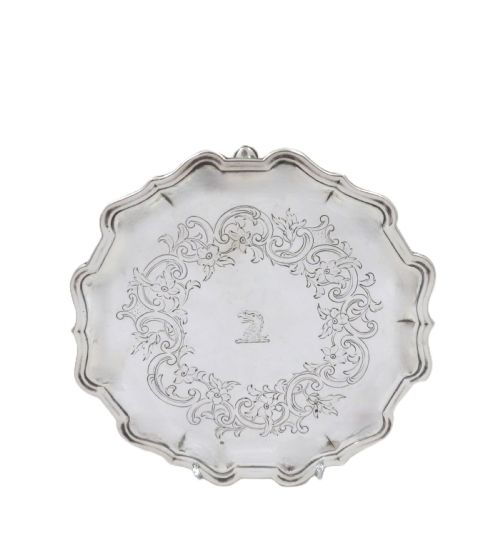


18th Century Silver Waiter
An 18th century silver waiter is a small, versatile serving tray essential for holding letters or glasses, prized for its classic proportions and craftsmanship.
18th Century Silver Waiter
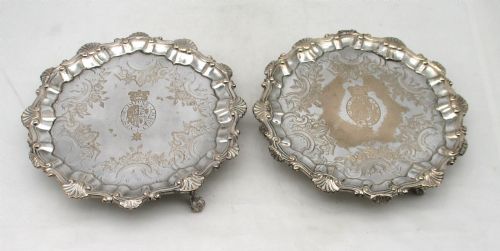
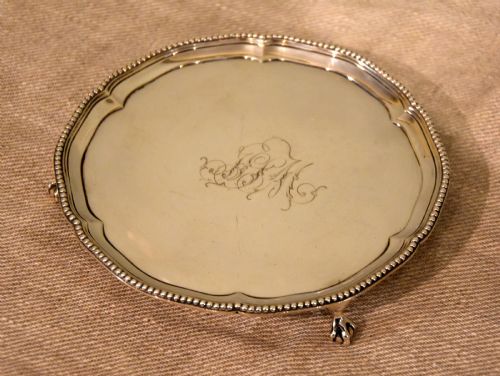
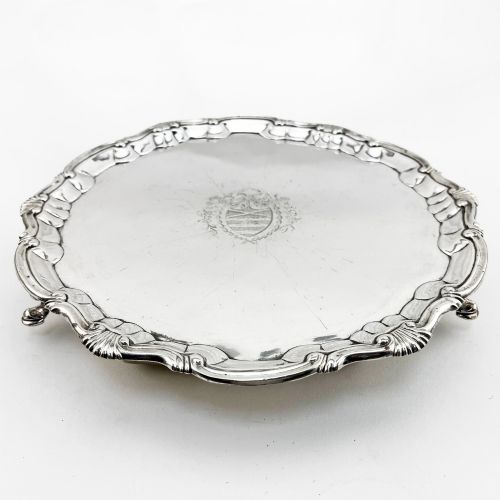
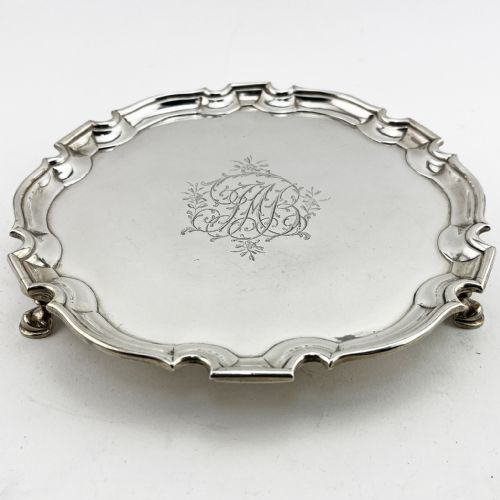
When you search for an 18th century silver waiter, you encounter elegant small trays and salvers spanning the Georgian period. These pieces appear in forms ranging from card trays to patens.
The versions most commonly met on this page include sterling silver examples alongside Old Sheffield Plate pieces. Makers produced these items for domestic use in serving drinks and calling cards.
Originating across eighteenth-century workshops, these pieces encompass various regional British styles including Scottish items from Aberdeen alongside London work.
Materials and construction
Silversmiths utilised sterling silver and copper, often employing Old Sheffield Plate techniques to fuse silver onto a base metal core. This method produced durable serving trays with a bright metallic surface.
Makers shaped the metal through careful hammering and soldering, creating distinct edges and footed bases to support the flat serving surface.
18th Century Silver Waiter Retail Price Guide 2026
Typical asking prices for 18th century silver waiter among the pieces listed under this phrase on Sellingantiques today, from the lower quarter to the upper quarter. They describe what is for sale here now, not the wider market.
Some tiny trays spent centuries quietly holding visiting cards instead of tea.
Judging the quality
The standard of an 18th century silver waiter depends on the crispness of its chasing, the weight of the metal, and the balance of its form. Superior examples retain clear hallmarks and well-defined borders.
Plated items vary according to how well the silver layer adheres to the copper beneath, showing the skill of the plating workshop.
Robert Abercromby·George Cooper·William Garrard
The 18th Century Silver Waiter Glossary
- Waiter
- A small serving tray used for passing drinks, letters or visiting cards. These pieces typically feature a raised edge and rest upon small feet.
- Salver
- A formal serving tray, often larger than a waiter, used in domestic interiors. The terms often overlap in eighteenth-century descriptions.
- Old Sheffield Plate
- A composite material made by fusing a thin sheet of silver to a thicker copper ingot. This technique preceded modern electroplating.
- Paten
- A small plate or dish, sometimes used in ecclesiastical contexts but sharing forms with domestic card trays of the period.
- Georgian
- The period spanning the reigns of the first four Georges, defining the prevailing design aesthetics of these items.
18th Century Silver Waiter: Frequently Asked Questions
What is an 18th century silver waiter used for?
These trays served a practical role in polite society for presenting calling cards, letters, or small drinking vessels.
Today they function similarly as decorative desk accessories or small display trays for小物.
How do I identify a Georgian silver waiter?
Examine the piece for hallmarks indicating the assay office, date letter, and maker's mark.
Stylistic cues such as border decoration and foot design also help place the object within the eighteenth century.
What is Old Sheffield Plate?
Old Sheffield Plate is an early form of plated metal created by fusing silver to copper through heat.
This technique differs significantly from later nineteenth-century electroplating methods.
How should I clean a silver waiter?
Gentle cleaning with a soft cloth and approved silver polish prevents damage to the historic surface.
Avoid harsh abras<bos>3rd party chemical dips that might strip away thin plating or soften hallmarks.