





18th Century Shelving
These pieces of 18th century shelving bring functional storage and period craftsmanship to a room.
18th Century Shelving
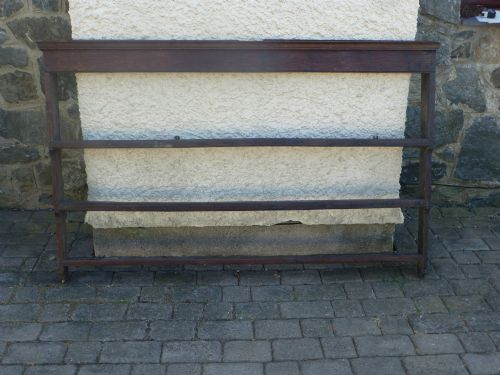
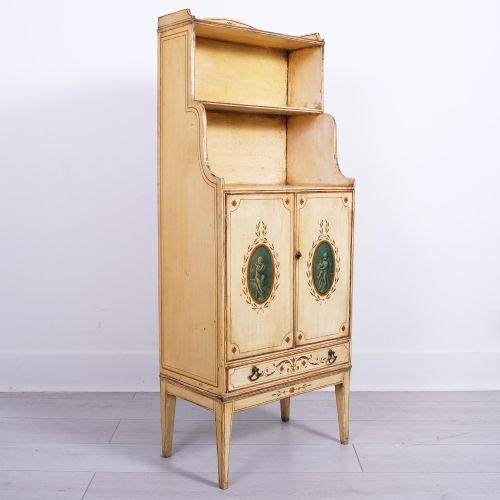
When searching for 18th century shelving, buyers encounter an array of wall brackets, plate racks, bookcases, and dressers. These items span periods from the early 1800s back through George III, George II, and broader 18th century eras.
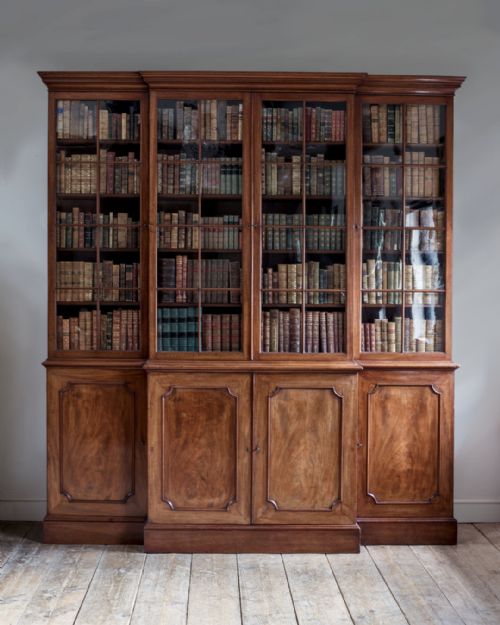
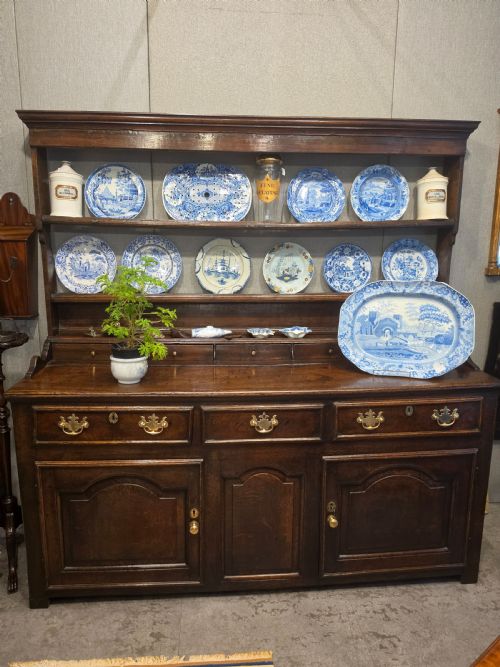
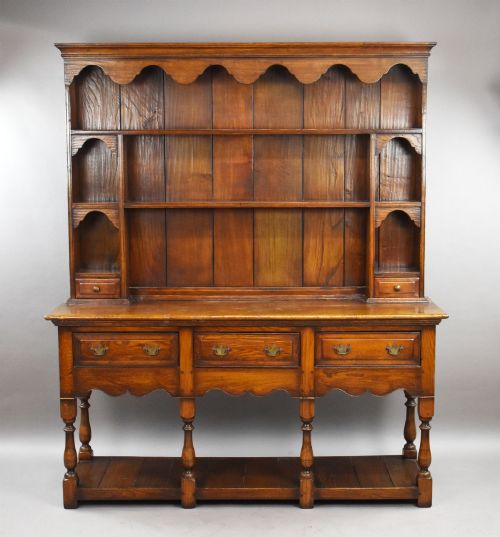
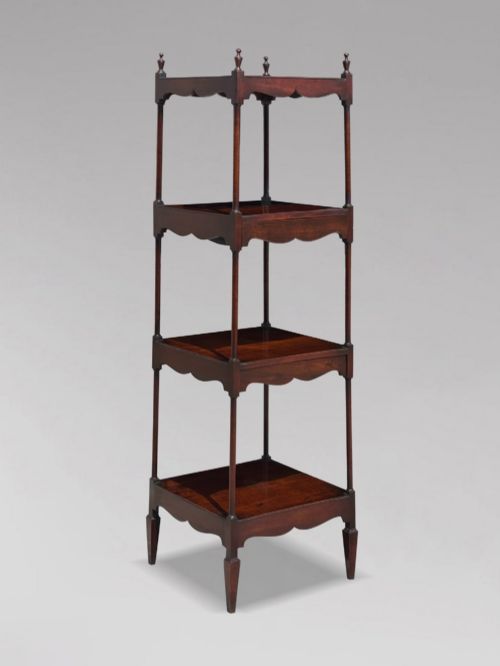
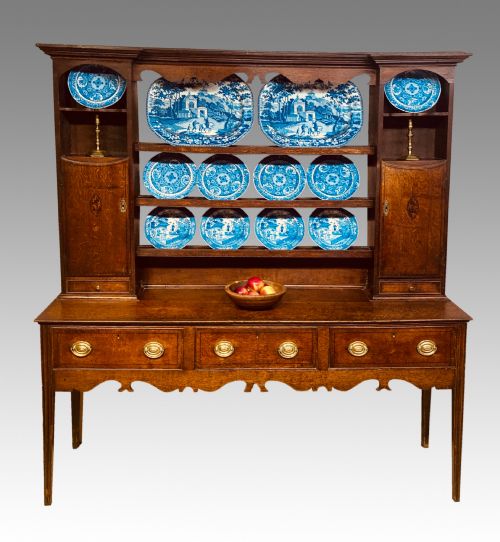
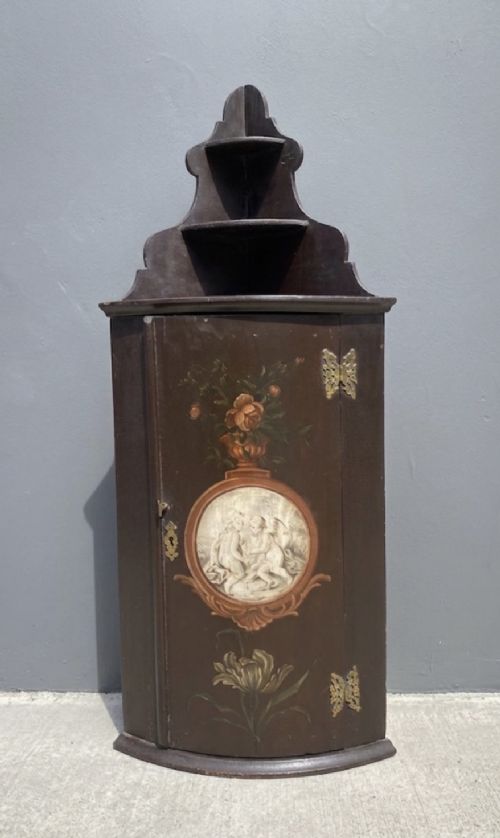
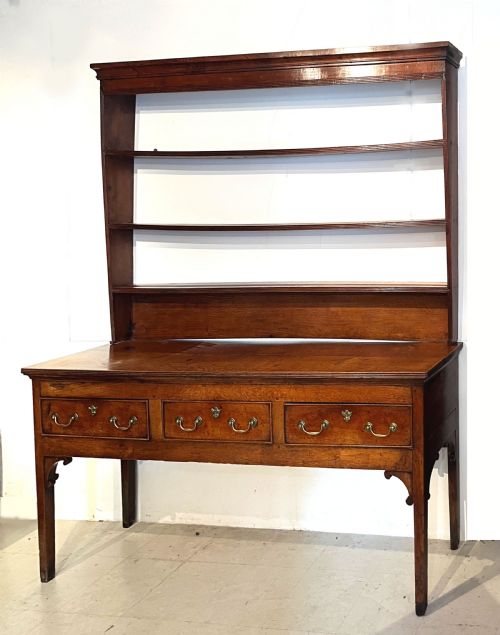
The version most frequently met on this page is the oak or mahogany dresser and plate rack, alongside corner cupboards and freestanding whatnots. Such pieces reflect both English country workshops and more formal urban cabinetmaking.
Origins stretch across English, French Provincial, and Italian ateliers, demonstrating how different regions adapted timber storage to domestic interiors. Wall shelves and hanging cupboards provide compact options for smaller spaces.
Materials and construction
Timbers such as oak, mahogany, walnut, and pine form the structural backbone of these items, often enhanced by brass hardware, glass panels, and painted wood finishes. Craftsmen utilised solid boards for backs and shelves, securing them with traditional joinery.
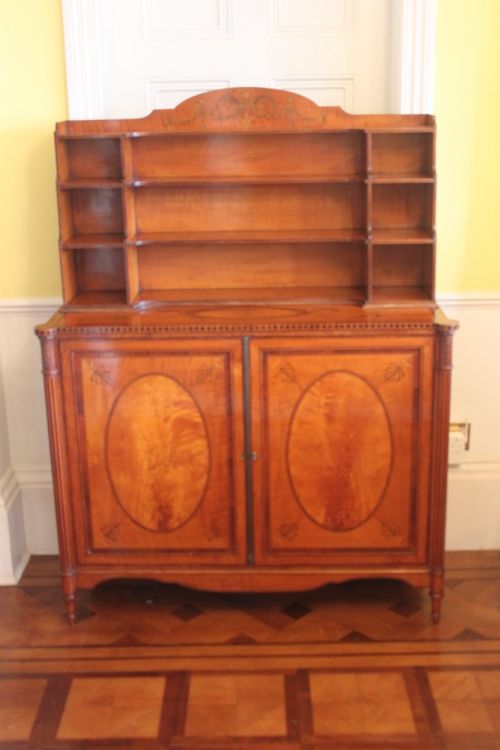
Surfaces display carved details, satinwood inlay, and painted or gilded treatments, particularly on pieces originating from George III workshops or French provincial centres. The combination of timber selection and surface finish defines each piece's physical character.
18th Century Shelving Retail Price Guide 2026
Typical asking prices for 18th century shelving among the pieces listed under this phrase on Sellingantiques today, from the lower quarter to the upper quarter. They describe what is for sale here now, not the wider market.
Several items survive from eras when corner cupboards had to fit stubborn 18th century angles.
Distinctions in quality
Quality rests on the integrity of the timber, the crispness of carved or inlaid details, and the survival of original finishes. Pieces retaining their structural form without excessive timber replacement command greater attention from collectors.
Design complexity also sets items apart, moving from utilitarian country oak plate racks to sophisticated satinwood-inlaid cabinets and architectural library breakfront bookcases. The harmony of proportions and subtlety of grain pattern elevate standard storage into high-status furniture.
Gillows
The 18th Century Shelving Glossary
- Whatnot
- A freestanding open set of shelves used for displaying ornaments or books. This form became popular during the Georgian period.
- Delft rack
- A wall-mounted or dresser-top rack designed specifically for displaying ceramic plates. These items feature narrow shelves with retaining grooves.
- Breakfront
- A large cabinet or bookcase whose central section projects forward from the flanking wings. This architectural format appeared in grand libraries.
- Potboard dresser
- A traditional oak dresser featuring an open lower shelf beneath the main counter. This board was historically used for storing heavy pots and pans.
- Etagere
- A French term for a set of open shelves used for display. These pieces often exhibit lighter proportions than standard bookcases.
18th Century Shelving: Frequently Asked Questions
What is an 18th century plate rack?
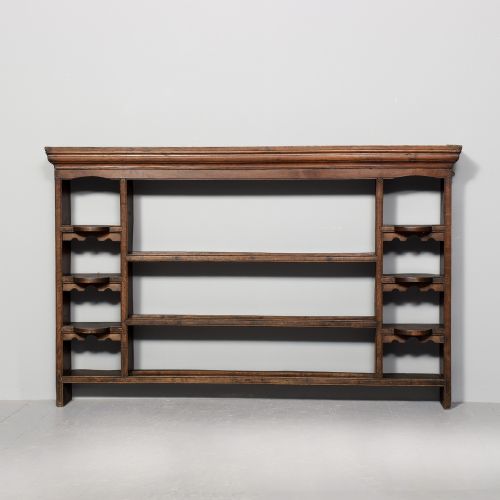
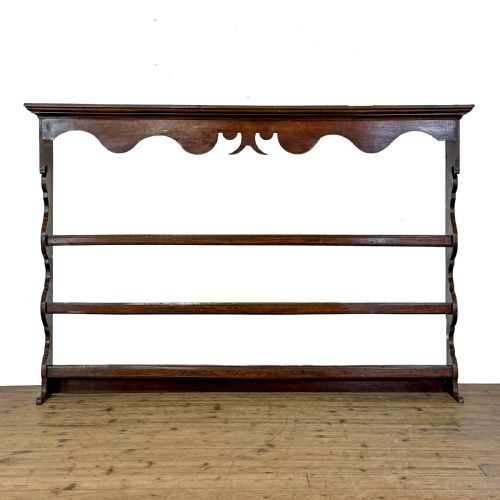
A plate rack is a wall-mounted or dresser-integrated shelving unit designed to display ceramics upright.
These pieces use wooden ledges or vertical slats to hold plates securely in view.
How do I identify a George III bookcase?
George III bookcases typically feature mahogany or oak construction, often incorporating adjustable shelving and glazed doors.
Stylistic markers include restrained classical proportions and occasionally satinwood inlay.
Where were corner cupboards placed?
Corner cupboards fit directly into room angles to utilise awkward spaces for storage and display.
Many examples feature shaped shelves behind single or double doors, sometimes topped by open display tiers.
How do I care for antique oak shelving?
Maintain antique oak shelving by keeping it away from direct heat sources and sudden humidity shifts.
Apply traditional wax sparingly to nourish the timber and preserve the historic surface finish.