

18th Century Round Table
An 18th century round table brings compact utility and timeless circular geometry to a room, offering sturdy dining or display surfaces.
18th Century Round Table
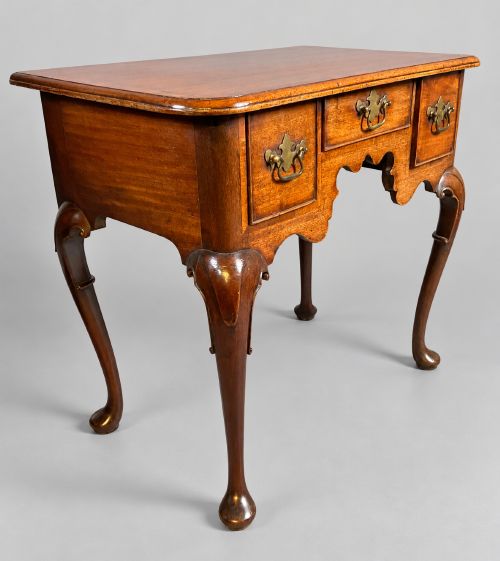
When you search for an 18th century round table, you encounter diverse domestic forms spanning occasional, wine, dining, and library uses. These pieces emerge from Georgian periods, encompassing George II and George III eras alongside vernacular and country traditions.
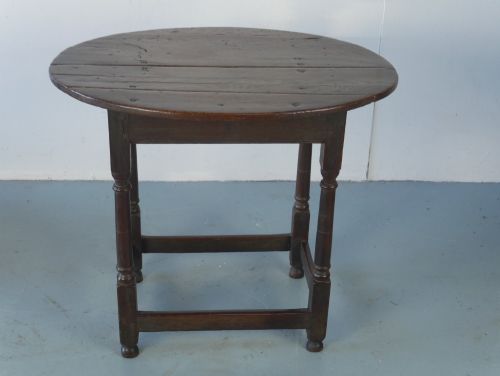
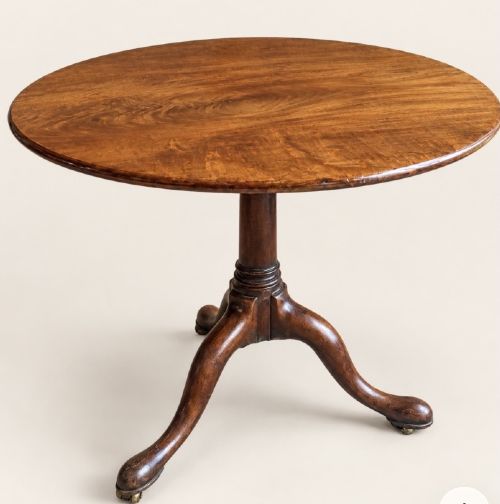
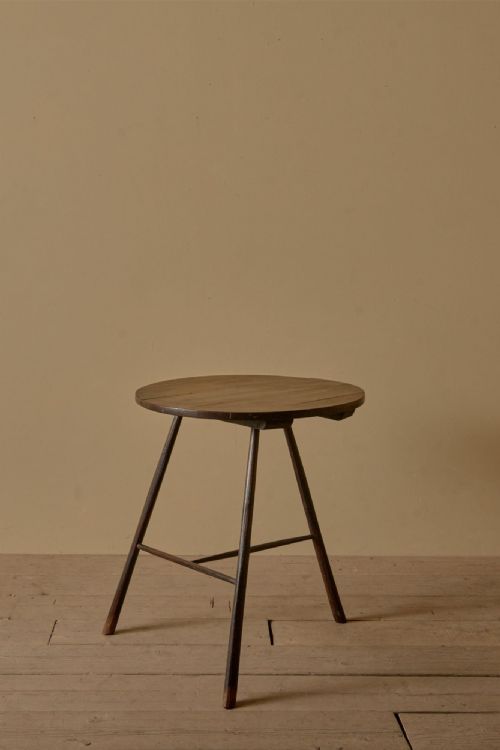
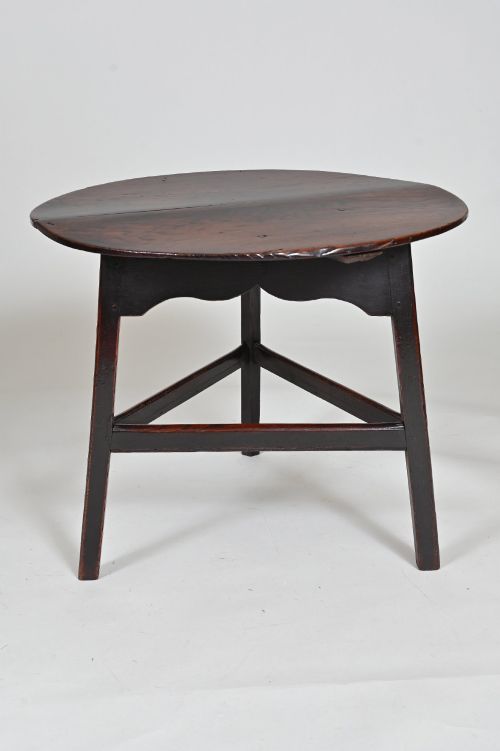
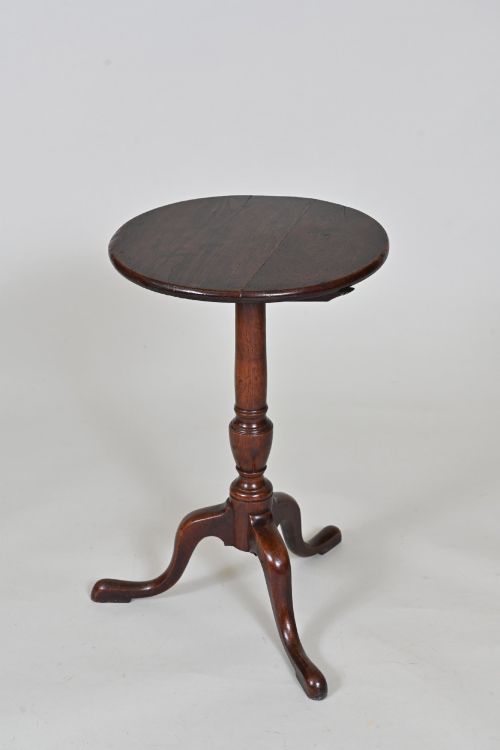
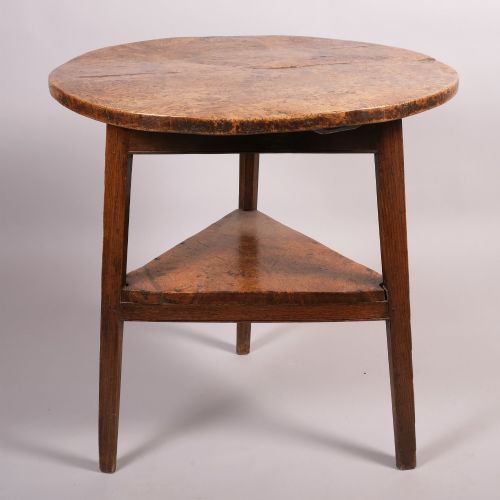
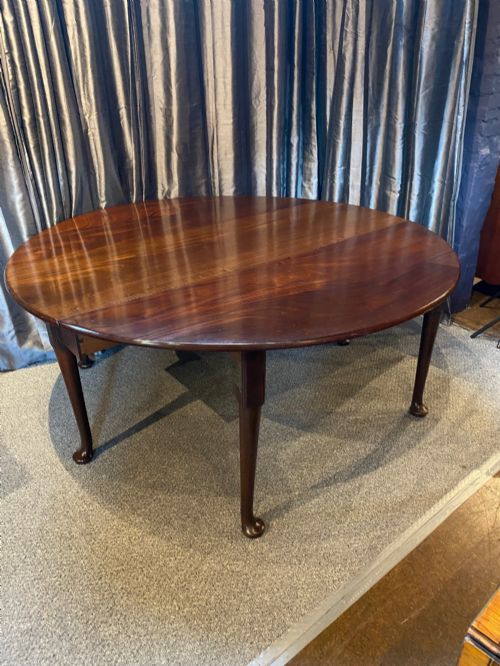
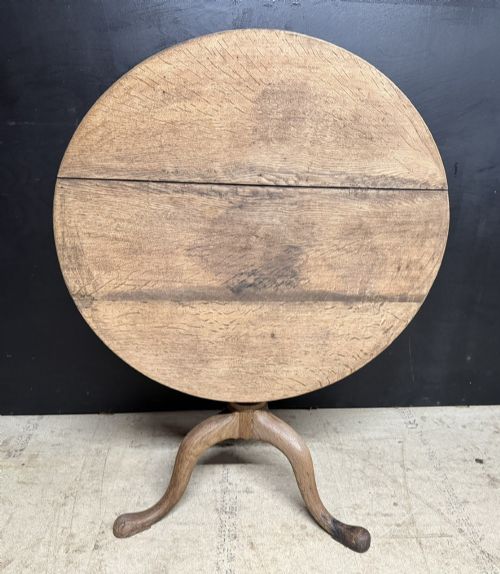
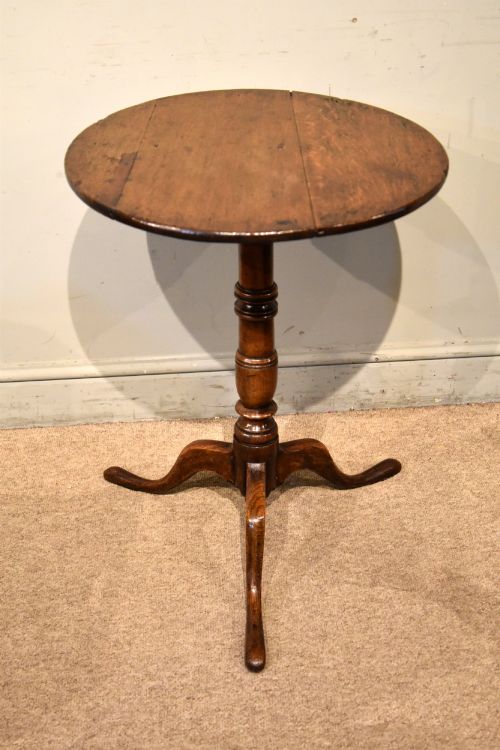
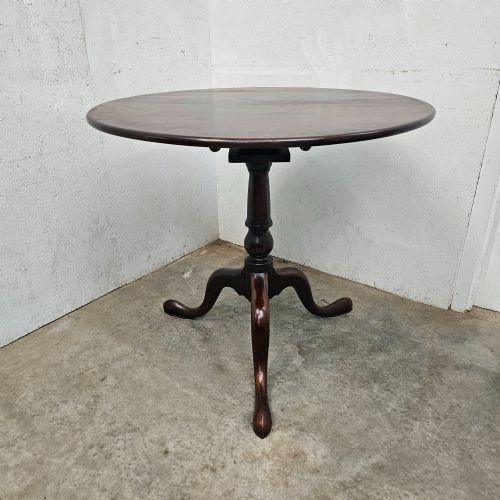
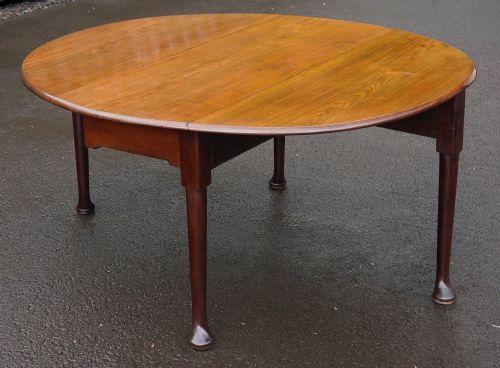
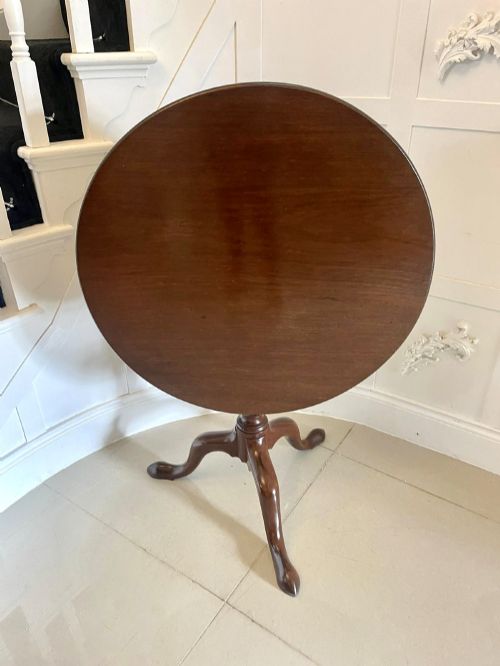
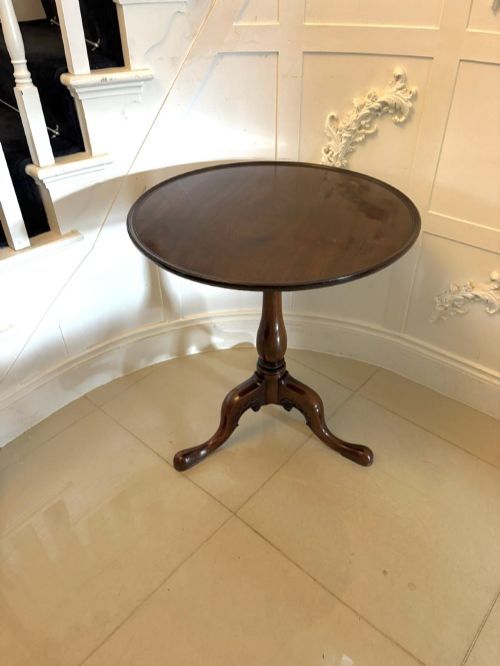
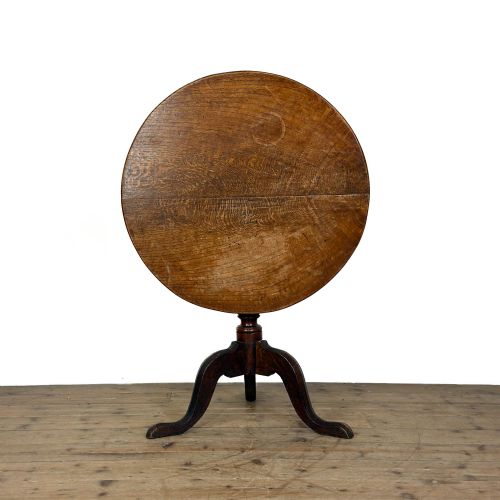
Tripod tables dominate the selection, frequently featuring tilt-top mechanisms supported by three legs. You also meet cricket tables with three splayed legs, alongside robust gateleg and drop-leaf dining tables designed for flexible placement.
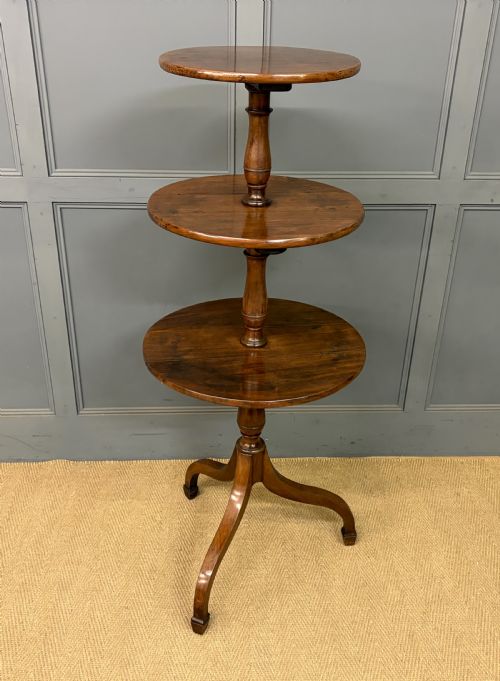
Originating largely from English workshops, these circular formats range from small lamp tables to larger drum and centre tables suited for domestic display and daily use.
Materials and Construction
Cabinetmakers constructed these tables primarily in solid oak and rich mahogany, supplemented by walnut, elm, burr oak, and occasional beech framing. Timber selection dictated the weight and grain movement of each circular top.
Joinery methods included pegged mortise and tenon joints for sturdy country cricket tables, alongside sophisticated birdcage mechanisms and turned pedestals for tilt-top tripod tables. Brass fittings and leather inserts occasionally augmented the primary timbers.
18th Century Round Table Retail Price Guide 2026
Typical asking prices for 18th century round table among the pieces listed under this phrase on Sellingantiques today, from the lower quarter to the upper quarter. They describe what is for sale here now, not the wider market.
Listings show a strong presence of Georgian oak and mahogany, spanning tripod, tilt-top, and cricket table formats.
Craftsmanship and Proportion
The distinction between standard utility pieces and finer examples rests in timber figuring, such as highly grained Cuban mahogany or burr oak, and the crispness of turned pedestals. Proportional harmony between the circular top and supporting legs governs the visual balance.
Mechanism integrity defines operational quality in tilt-top and birdcage designs, where tight pivoting joints and well-fitted catches ensure the top remains stable when horizontal.
The 18th Century Round Table Glossary
- Tilt-top table
- A table with a hinged top that pivots vertically to save space when not in use. This mechanism allows the piece to stand flat against a wall.
- Birdcage
- A revolving wooden framework beneath a tilt-top table top. This component permits the table top to both tilt and rotate.
- Tripod table
- A freestanding table supported by a central pillar on three legs. These pieces function widely as wine, lamp, or occasional tables.
- Drop-leaf table
- A table with hinged flaps that fold down at the sides. Raising the leaves and supporting them allows the surface area to expand.
18th Century Round Table: Frequently Asked Questions
What is a cricket table?
A cricket table is a traditional three-legged circular table built with sturdy vernacular joinery. These pieces commonly feature plain wooden tops and splayed legs designed to remain stable on uneven floors.
Historically utilised for domestic tasks, their simple construction made them enduring staples in English country houses.
How do tilt-top tables work?
Tilt-top tables utilise a hinged mechanism beneath the circular surface that allows the top to pivot from horizontal to vertical. This design enabled owners to store the tables flat against walls when space was required.
Many incorporate a birdcage rotation block that lets the top spin while horizontal.
Where were these tables used?
These circular tables served varied functions across domestic interiors, acting as wine tables beside seating, lamp tables in parlours, or central dining surfaces. Smaller tripod formats moved easily from room to room as daily needs shifted.
Larger drop-leaf and drum tables occupied libraries, dining rooms, and hallways.
How do I identify Georgian styles?
Georgian tables span the reigns of Georges II and III, showing shifts from heavier walnut forms to refined mahogany tripod designs. Proportions, classical turning details, and regional timber choices help separate formal cabinet pieces from country vernacular items.
Construction techniques like pegged joinery and hand-turned pillars assist in dating individual examples.