

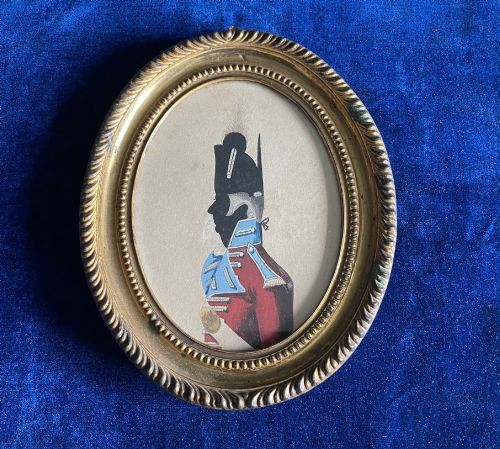
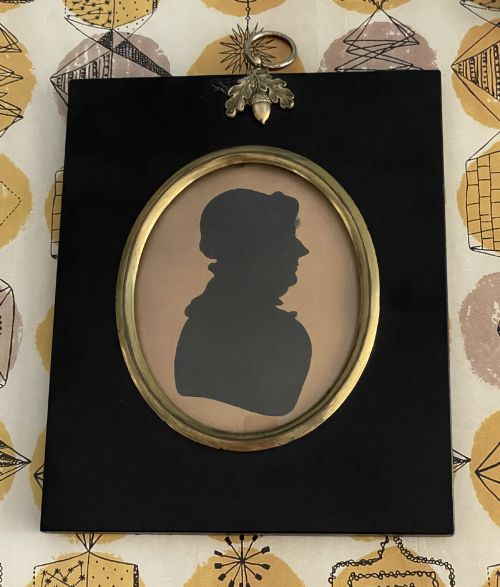
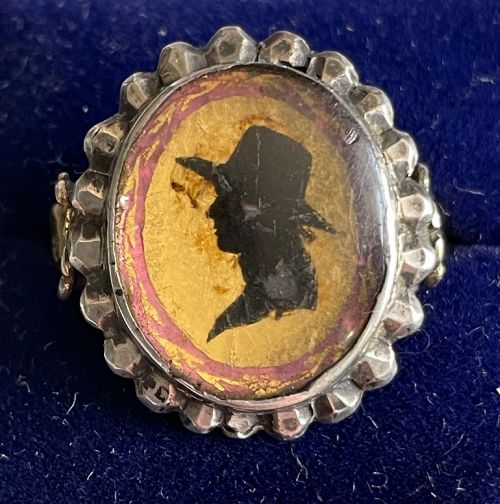
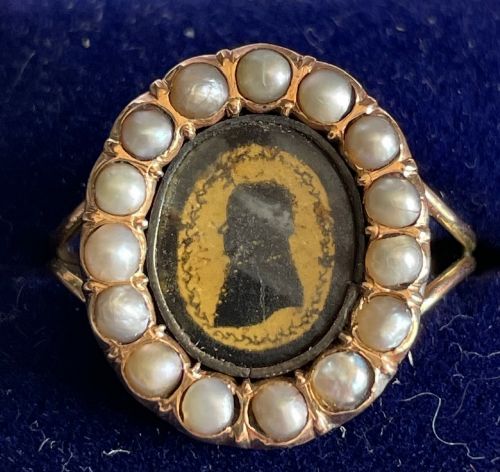


18th Century Profile Silhouette
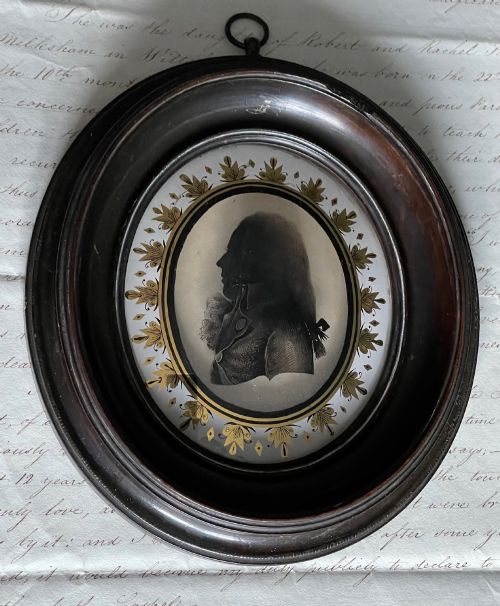
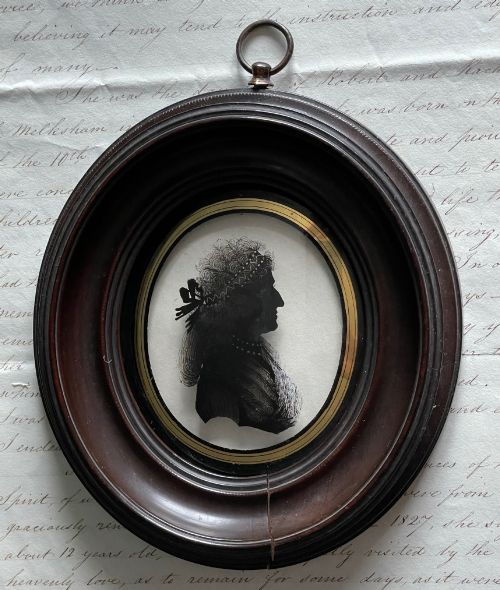
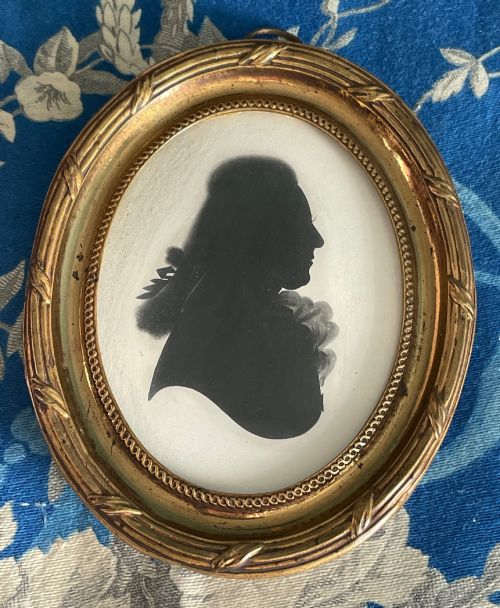
These 18th century profile silhouette items capture likenesses in glass, paper and brass from Georgian and Regency hands.
18th Century Profile Silhouette
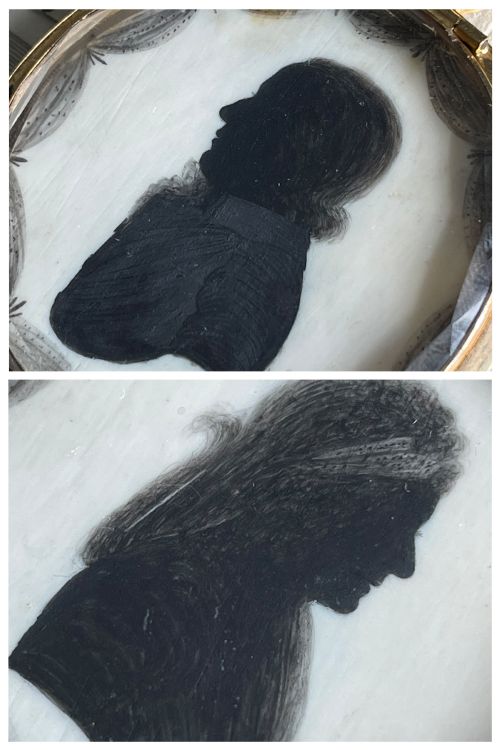
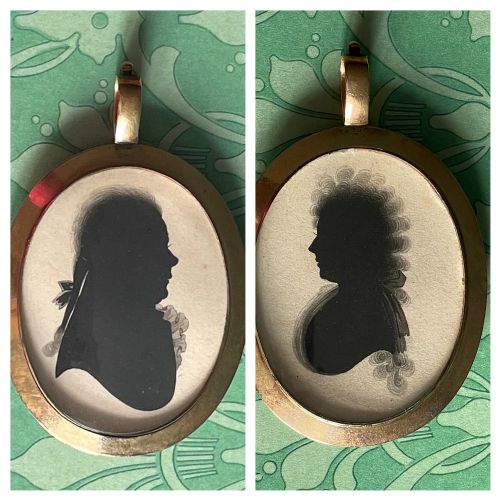
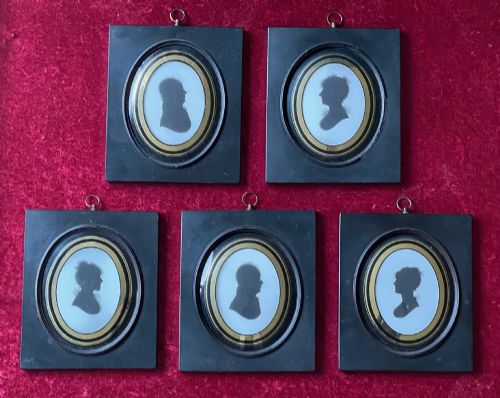
An 18th century profile silhouette captures a likeness in profile, typically rendered as a dark portrait against a pale background. These works range from framed wall art and miniature portraits to double-sided pendants and silhouette rings.
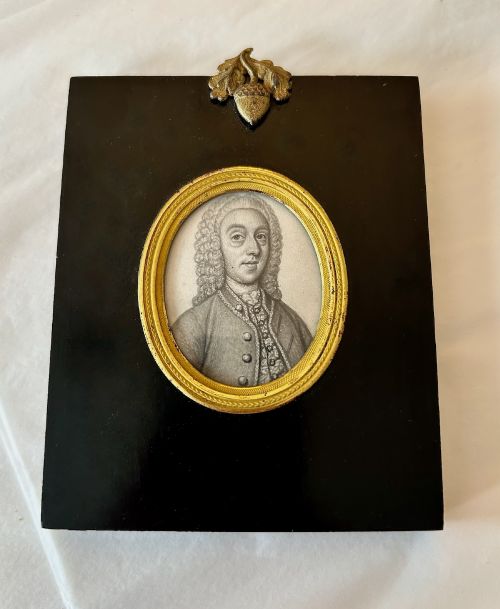
The pieces on this page span the 18th century, Georgian and Regency periods, originating from makers working in Britain, Ireland and the Continent. Buyers will frequently encounter silhouette miniatures on glass, painted examples, and cut-out profiles.
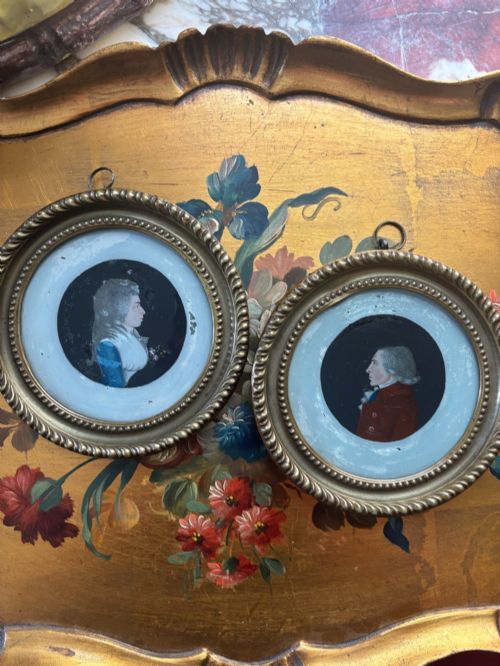
Forms include single portraits of gentlemen and ladies, marriage pairs, and family groups complete with trade labels. Certain examples incorporate reverse painting on glass or plaster supports.
Materials and methods
Maker techniques rely heavily on painting on glass, often reverse painted, combined with paper, ink, and gold leaf highlights. Plaster serves as a solid support medium for specific profile works.
Framing materials include ebonised wood, brass, and gilt metal, while wearable jewellery forms utilise rings and pendants. Pastel media also appear alongside cut-out paper techniques.
18th Century Profile Silhouette Retail Price Guide 2026
Typical asking prices for 18th century profile silhouette among the pieces listed under this phrase on Sellingantiques today, from the lower quarter to the upper quarter. They describe what is for sale here now, not the wider market.
Materials recorded on this page include glass, paper, brass, ebonised wood, gilt metal, gold leaf, ink, and gold.
Quality variations
Material preservation, such as intact reverse painting on glass and secure period framing in ebonised wood or brass, distinguishes finer works from simpler examples.
Isabella Beetham·Mrs Mary Lightfoot·John Miers·Houghton and Bruce·J Thomason of Dublin·James Ferguson·James Gillespie·Nathaniel Bermingham
The 18th Century Profile Silhouette Glossary
- Silhouette
- A portrait profile filled in with a solid dark colour, usually black, against a contrasting lighter background. This form captures the distinct outline of a sitter.
- Reverse painted on glass
- A technique where the image is painted directly onto the reverse side of a glass panel so that it is viewed through the front. This method imparts a glossy depth to the portrait.
- Trade label
- A paper label pasted to the reverse of a frame by the maker, detailing their business name and address. These labels provide key evidence for attribution.
- Portrait miniature
- A small, highly detailed painting or profile created for personal wear or intimate display. These portable works frequently feature in rings and pendants.
- Ebonised wood
- Timber treated to resemble ebony, commonly used for dark framing. This finish provides a stark contrast to the light background of the silhouette.
18th Century Profile Silhouette: Frequently Asked Questions
What is an 18th century profile silhouette?
An 18th century profile silhouette is a portrait showing the side view of a person, typically rendered in black against a lighter ground. These works document sitters from the Georgian and Regency eras through painted or cut forms.
Artists used media such as glass, paper, plaster and brass to create these compact likenesses. They survive as wall art, wearable jewellery and portable miniatures.
How were double-sided silhouettes used?
Double-sided silhouettes presented two distinct portraits within a single rotating or pendant mount. This allowed the owner to display two related sitters, such as a husband and wife, in one portable piece.
These items often function as pendants or pocket pieces. The glass or metal mount protected both painted profiles from damage.
How do I display silhouette rings and miniatures?
Silhouette rings and small miniatures require secure placement away from direct sunlight and excessive moisture. Framed wall pieces benefit from stable indoor environments to protect the fragile glass and paper components.
Handling should remain minimal, particularly for items with reverse painted glass or exposed paper edges. Wall art uses traditional picture hooks suited to the weight of the ebonised wood frames.