
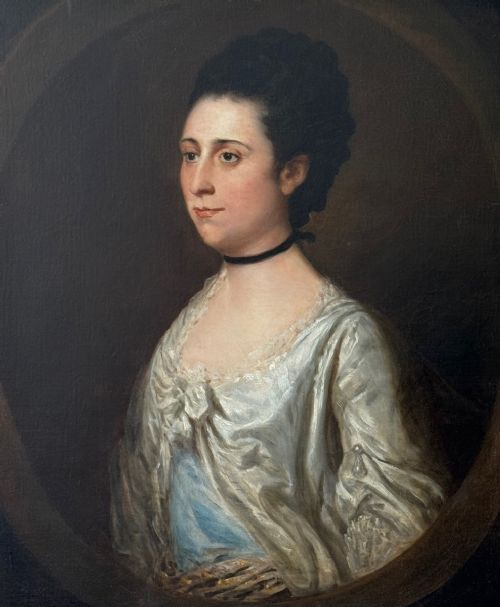
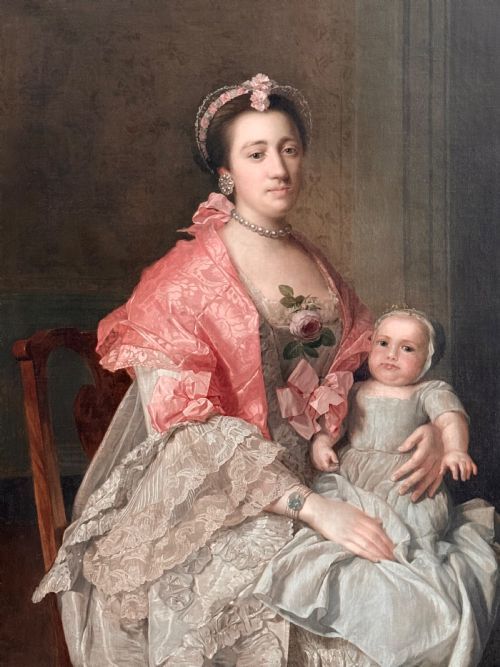
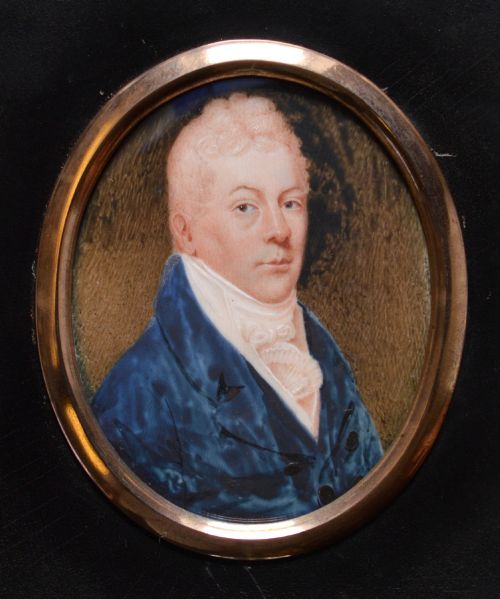
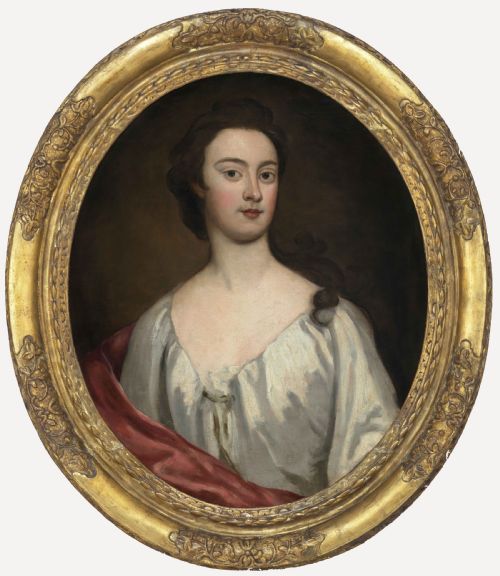
18th Century Portrait Artwork
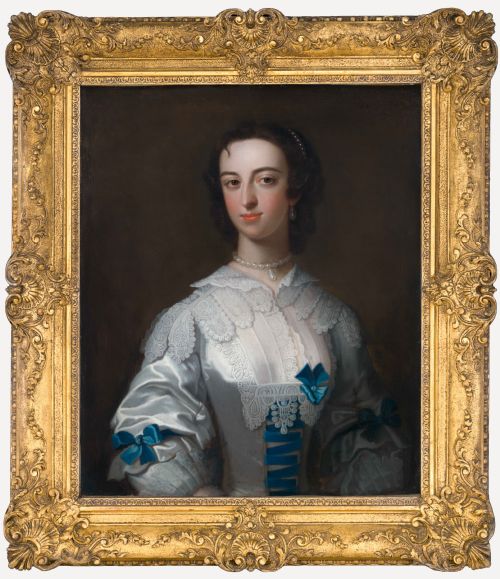
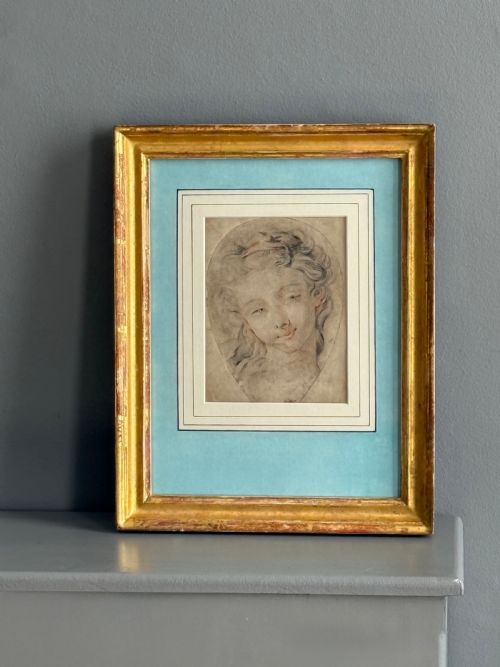
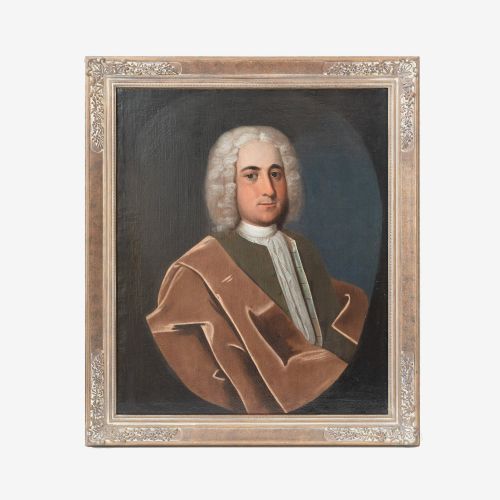
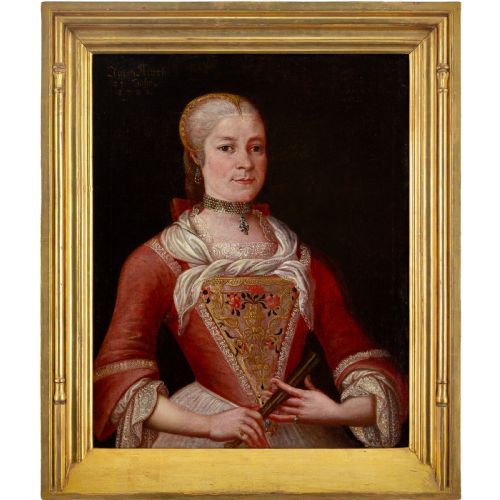
18th century portrait artwork brings centuries-old sitters into your room through oil, pastel, and print.
18th Century Portrait Artwork
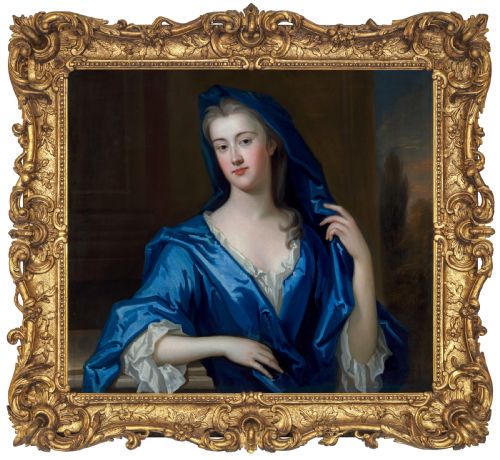
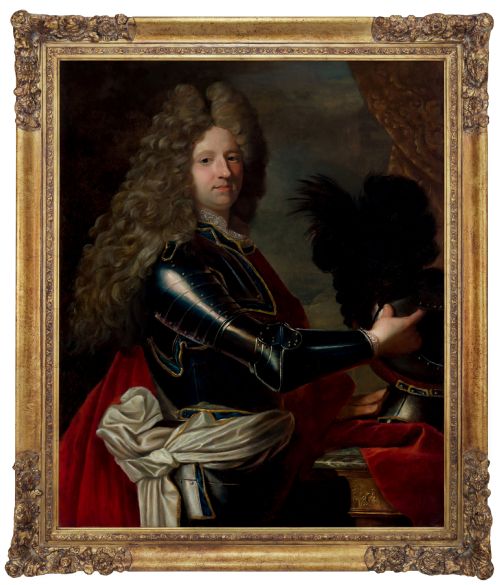
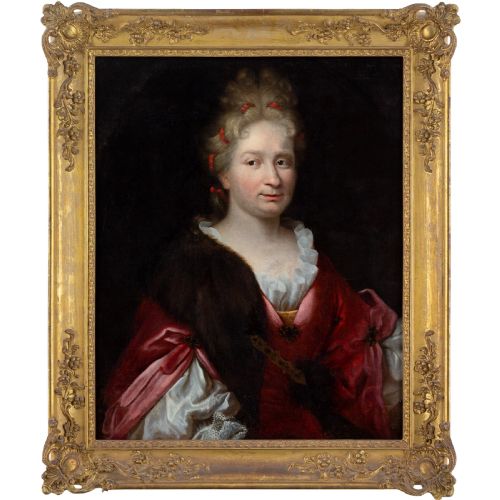
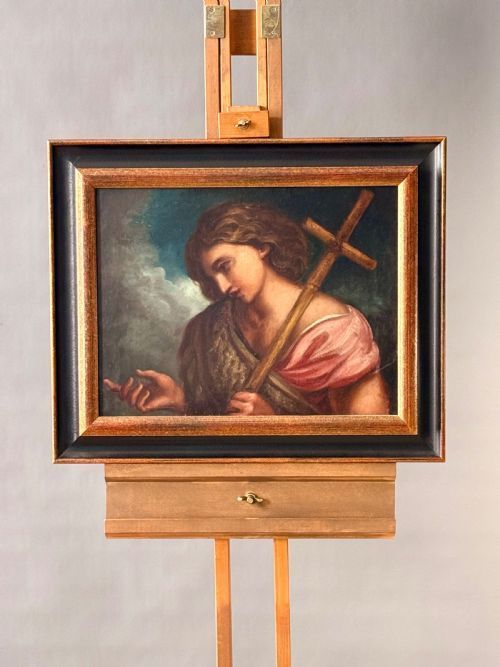
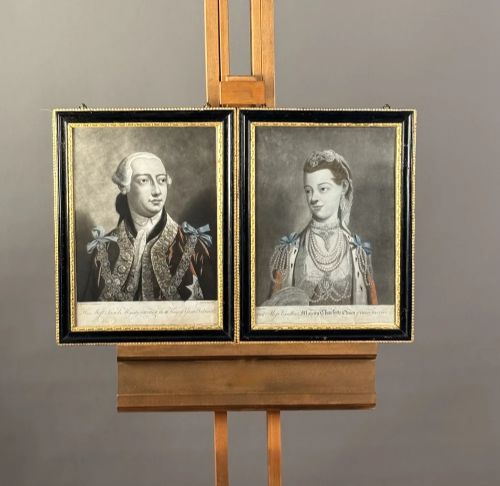
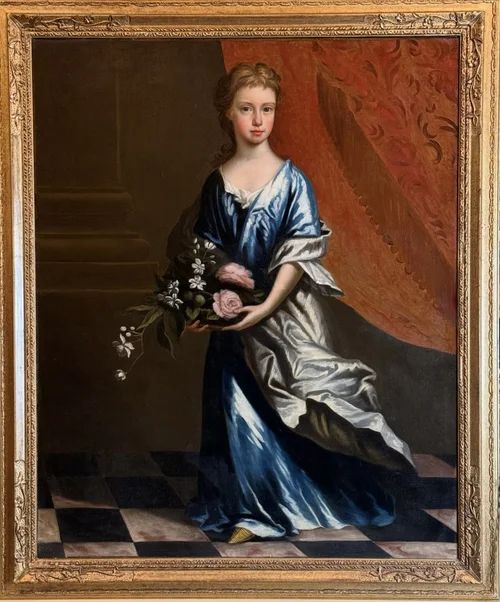
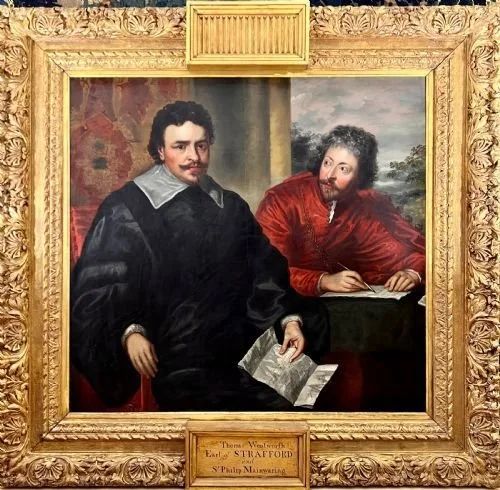
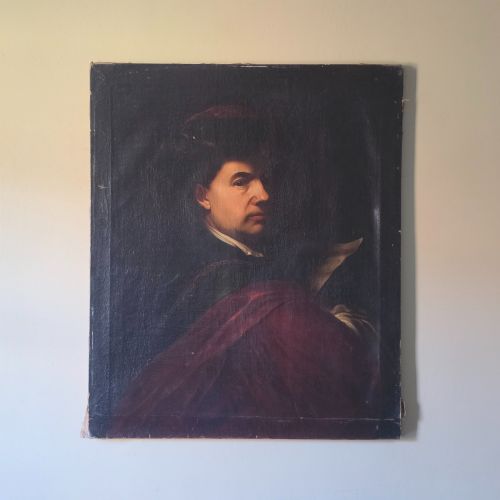
When you search for 18th century portrait artwork, you encounter painted canvases, delicate pastels, and detailed mezzotint prints depicting historical sitters.
The selections on this page range from grand oil paintings on canvas to works on paper and framed engravings from Georgian and Baroque periods.
You will find regional European works alongside British school pieces, capturing subjects from nobility to country subjects.
Materials and Construction
Artists painted primarily with oil on canvas or worked on paper using pastel and ink, framed with wood and giltwood.
Printmakers utilised copper plates to create mezzotint and stipple engravings, sometimes finished with glass protection.
Listings feature works spanning the 17th, 18th, and 19th centuries, executed in oil on canvas, pastel, and paper.
Assessing Quality
Quality depends upon the skill of the artist in rendering facial expression and fabric texture, distinguishing master hands from standard studio copies.
The preservation of the original surface, pigment stability, and the integrity of the period frame contribute to the standing of each piece.
John Simon·Michael Dahl·Sir Joshua Reynolds·Edward Fisher·Jean-Baptiste Van Loo·George Willison·John Opie·James Watson·Jeremiah Davison·Charles Spooner·Benedetto Luti·John Smith·James McArdell·Francois Boucher
The 18th Century Portrait Artwork Glossary
- Mezzotint
- A printmaking process where the copper plate is roughened to achieve rich tones and subtle gradations of light and shade. This technique was widely used in Britain for reproducing painted portraits.
- Pastel
- A medium consisting of powdered pigment and a binder, yielding matte surfaces with soft colours. Works in this medium require careful protection under glass.
- Giltwood
- Wood carved and coated with gold leaf or metallic powder. This material frequently frames Georgian canvases and prints.
- Old Master
- A term for a European artist of high skill working before the nineteenth century. These paintings reflect formal academic training and traditional composition.
18th Century Portrait Artwork: Frequently Asked Questions
How do I care for 18th century art?
Keep works out of direct sunlight to protect pigments and paper from fading over time. Maintain stable room temperatures to prevent the wood and canvas from expanding.
Dust frames gently and avoid hanging oil paintings near heat sources that might dry out the canvas or cracking the paint layer.
Are these portraits original period pieces?
The selections date primarily from the eighteenth century, encompassing original oils, pastels, and contemporary print reproductions of famous sitters. Check individual listings for specific dates.
Some pieces originate from later centuries as printed plates or studio copies after master painters.
What is a mezzotint portrait?
A mezzotint is a print created by roughening a copper plate to hold ink, producing deep shadows and smooth tonal contrasts. Publishers used this method to disseminate likenesses of nobility and public figures.
These prints capture the likeness of paintings with notable fidelity and served as popular wall art.
How do I identify the sitter?
Inscriptions on the canvas, paper, or frame often record the name, titles, and dates of the individual portrayed. Biographical details frequently connect to the historical period of the artwork.
Catalogues and artist references help verify the identity through costume and heraldic symbols.