


18th Century Pastoral Art
18th century pastoral art captures idealised rural life through oil paintings, delicate silk embroidery and woven tapestries.
18th Century Pastoral Art
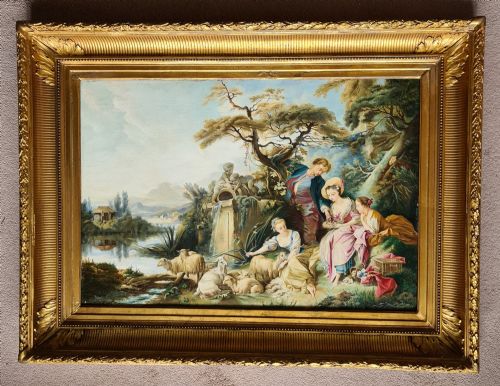
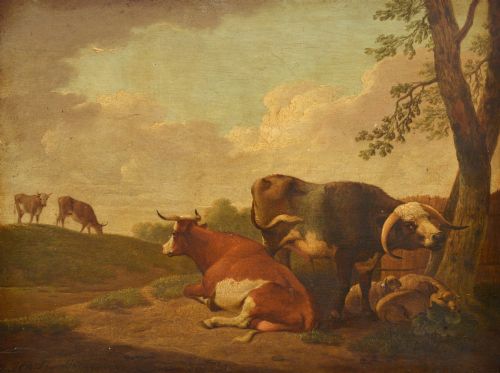
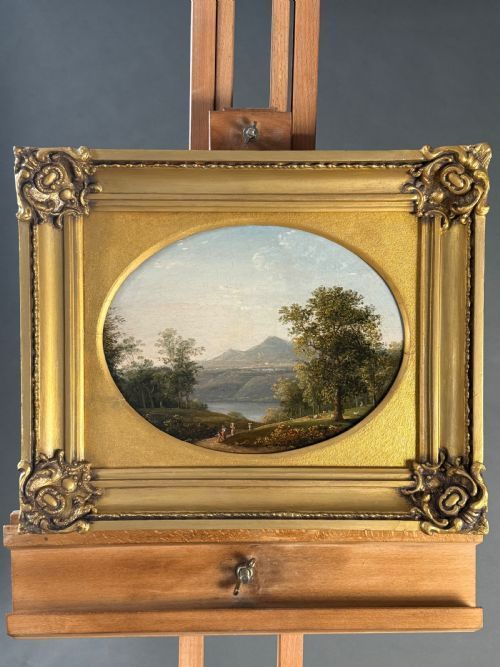
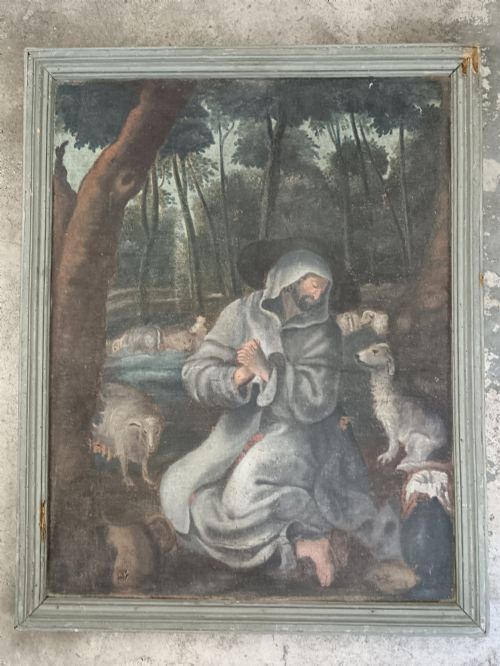
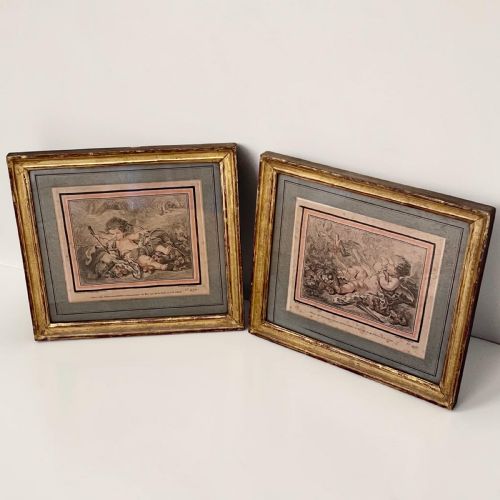
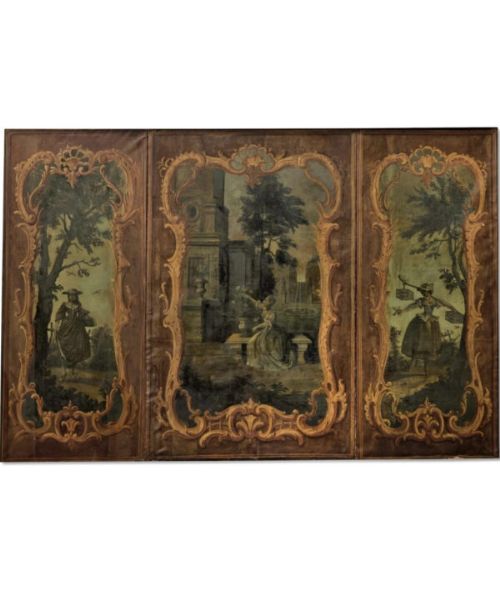
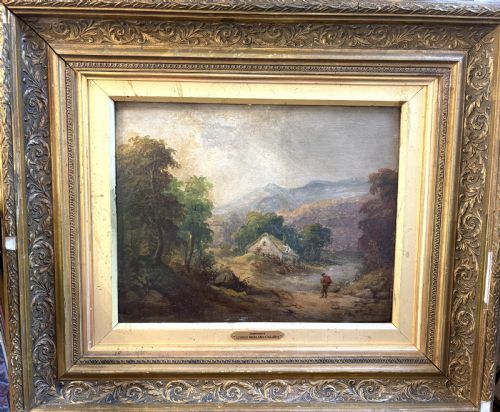
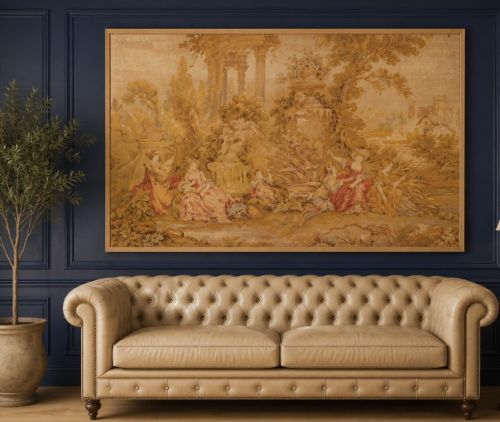
18th century pastoral art encompasses oil paintings, needlework pictures, engravings and woven tapestries depicting idealised countryside scenes with shepherds, cattle and rural figures. These works draw heavily upon French Rococo and Neoclassical traditions, reflecting a romanticised view of agrarian life.
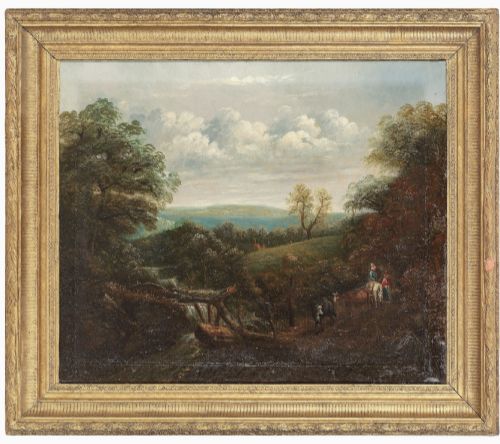
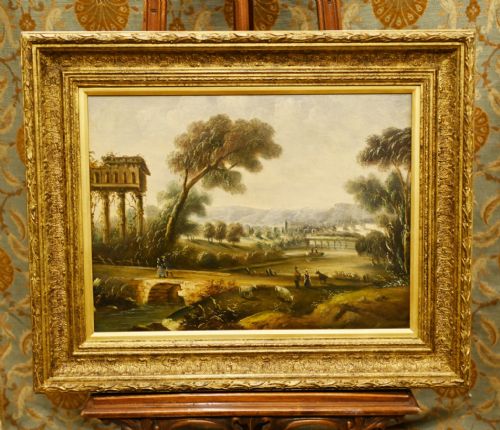
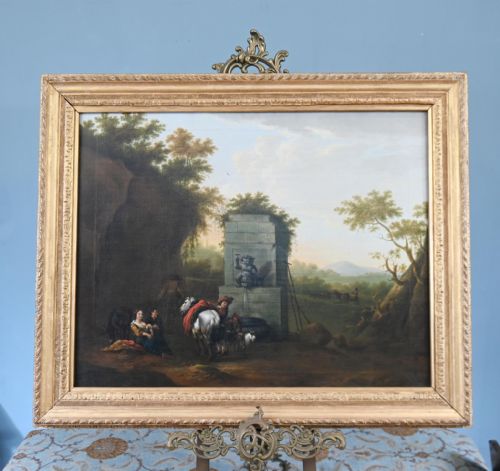
Buyers will most frequently encounter oil paintings on canvas and panel alongside framed engravings and textile art dating from the Georgian period. Many pieces reflect Continental European influences, particularly French and Italian schools of landscape painting.
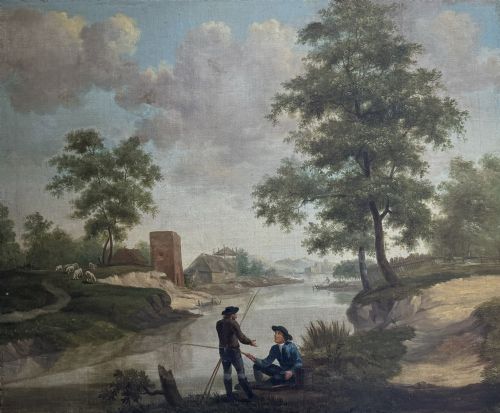
Subjects range from tranquil river conversations and resting herds to detailed allegorical scenes inspired by classical antiquity and prominent artists of the era.
How they were made
Painters utilised oil on canvas, wood panels and copper, often employing fine brushwork to capture atmospheric Italianate and British countryside lighting. Draftsmen and printmakers worked with ink, gouache and hand-coloured engraving techniques on paper.
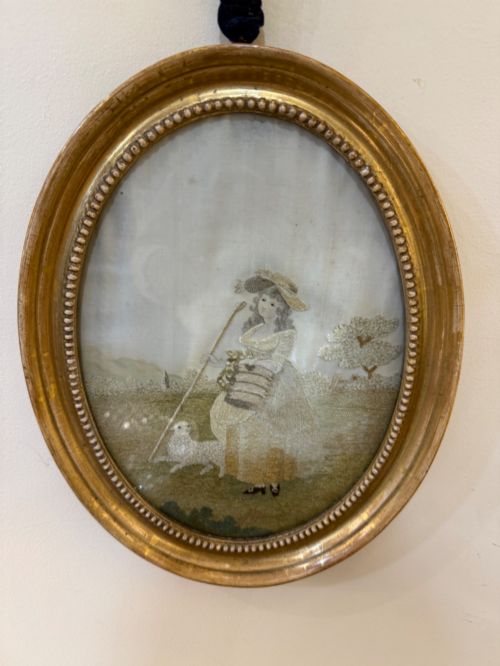
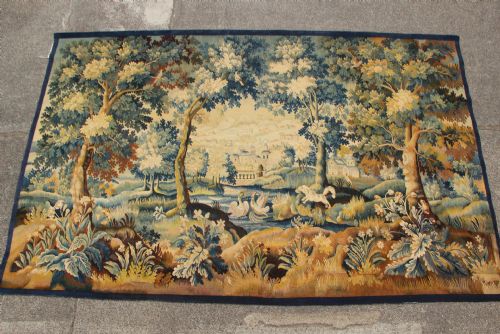
Textile pieces rely on silk, wool and needlework threads, meticulously stitched or woven into large panels and tapestries. Frames frequently consist of period giltwood or Hogarth moulding.
Enamel plaques provide another medium, fired to preserve minute detail in miniature portraiture and landscape compositions.
Listings feature 18th-century and 19th-century periods, utilising canvas, oil paint, silk, giltwood, and wood.
What varies in quality
Quality rests in the precision of the draughtsmanship, the depth of the palette and the expressive handling of light within the landscape. Superior paintings demonstrate confident brushwork and balanced composition, whereas lesser works appear stiff or derivative.
In textiles and embroidery, the tightness of the weave and the preservation of original silk threads dictate the grade of the piece. Intricate needlework displaying varied stitch types holds greater visual engagement.
The integrity of the original frame, such as period giltwood moulding, contributes significantly to the overall standing of an artwork.
Francois Boucher·Hendrik Willem Schweickhardt·Jacob Philipp Hackert·George Morland·Julius Caesar Ibbetson·Francesco Zuccarelli·Jean-Antoine Watteau
The 18th Century Pastoral Art Glossary
- Verdure tapestry
- A woven wall hanging featuring a predominant design of foliage, trees and sometimes animals. These large textiles were often produced in centres such as Aubusson.
- Grand Tour
- A cultural journey of Europe undertaken by wealthy young Englishmen in the 18th and 19th centuries. It resulted in the acquisition of classical landscape paintings and antiquities.
- Pentimento
- A visible trace of earlier painting underneath a layer of paint, showing where the artist changed their mind. This phenomenon often confirms the age and authenticity of an oil painting.
- Grisaille
- A painting executed entirely in shades of grey or neutral greyish-brown, often designed to imitate sculpture in relief. It appears frequently in decorative wall panels.
- Rococo
- An 18th-century style characterised by lightness, elegance and an abundance of curved motifs. It heavily influenced French pastoral scenes and decorative arts.
18th Century Pastoral Art: Frequently Asked Questions
What defines pastoral art?
Pastoral art depicts rural life in an idealised, serene manner, focusing on shepherds, livestock, and picturesque landscapes. The genre seeks to evoke a peaceful escape from urban existence.
Originating largely from classical and 18th-century European traditions, these works emphasise harmony between humans and nature.
How were needlework pictures displayed?
Needlework and silk embroidery pictures were typically framed behind glass to protect the delicate threads from dust and light damage. They served as refined wall art in Georgian homes.
Wealthy households commissioned these textile pieces to showcase domestic accomplishment alongside traditional oil paintings.
What is a Grand Tour landscape?
A Grand Tour landscape is a painting acquired by British travellers touring Italy and continental Europe during the 18th century. These works usually depict classical ruins, Italianate rivers, and pastoral idylls.
Artists catered directly to this demand by painting sunny, nostalgic views of the Mediterranean countryside.
How do I care for antique tapestries?
Antique tapestries require protection from direct sunlight to prevent the fading of natural silk and wool dyes. Gentle vacuuming through a mesh screen helps remove surface dust.
They should be hung away from damp walls and heat sources to maintain the integrity of the woven fibres.