


18th Century Overmantel Mirror
An 18th century overmantel mirror brings historical depth and proportion above a fireplace, anchoring a room with grand presence.
18th Century Overmantel Mirror
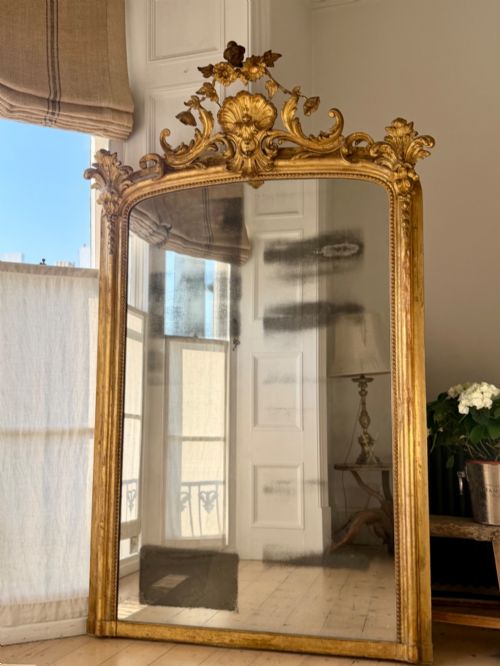
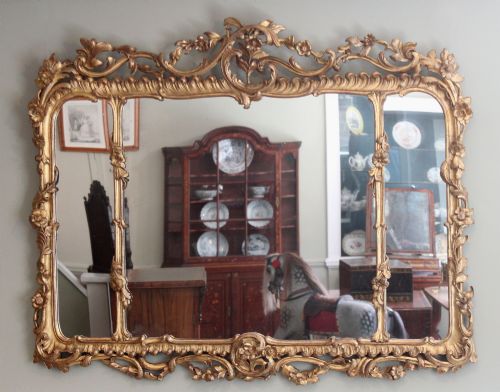
An 18th century overmantel mirror serves as a grand architectural focal point originally designed to sit above a mantelpiece in formal rooms. These large wall pieces fill significant vertical wall space and reflect light across the interior.
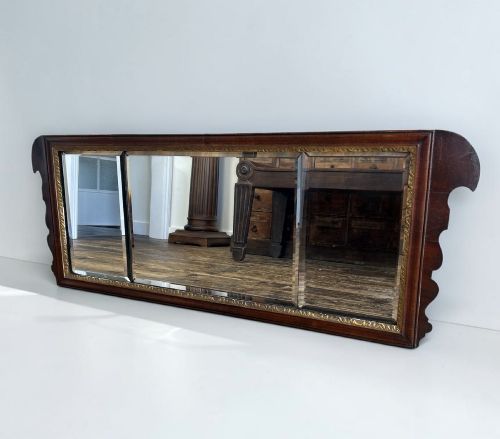
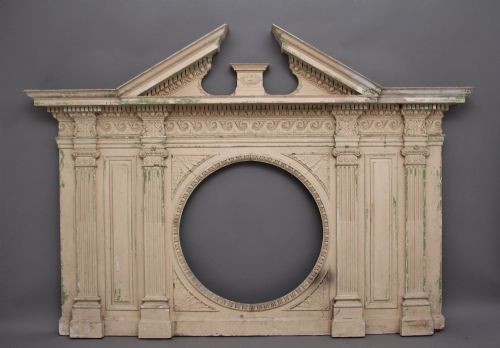
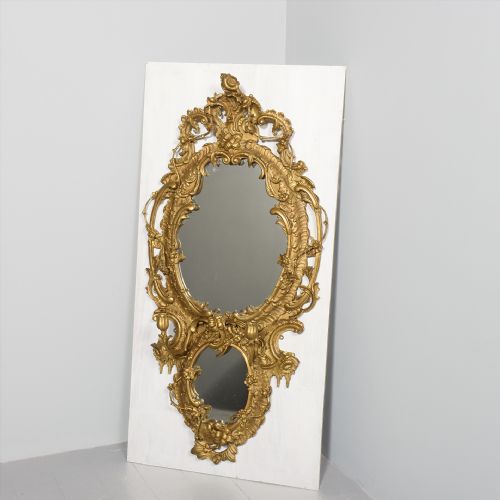
The pieces listed on this page span the 18th century, Georgian, and later periods, capturing distinct regional tastes from French and Italian workshops. Forms range from horizontal overmantels to tall pier glasses and triple plate designs.
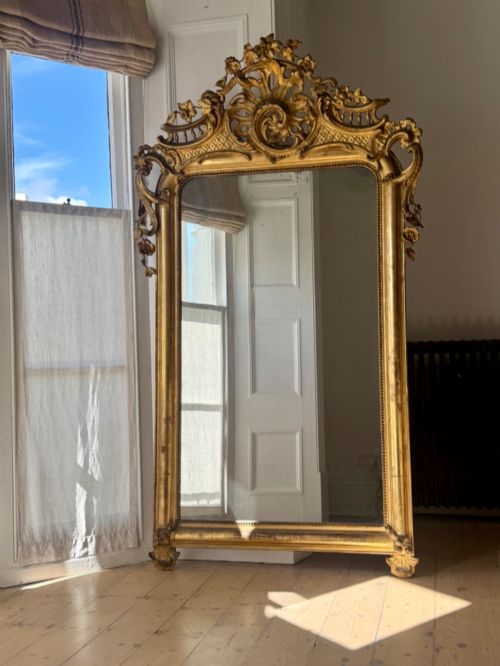
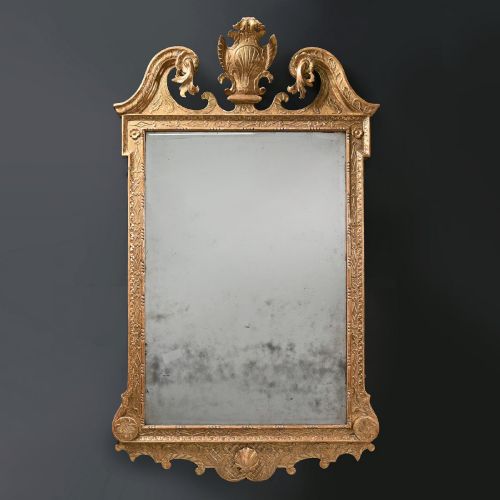
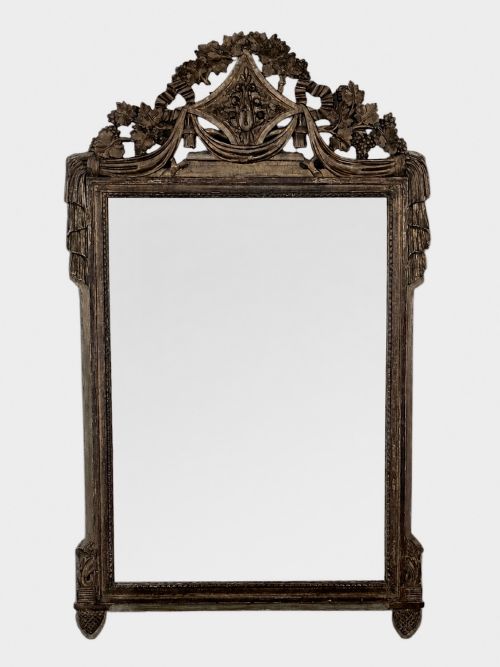
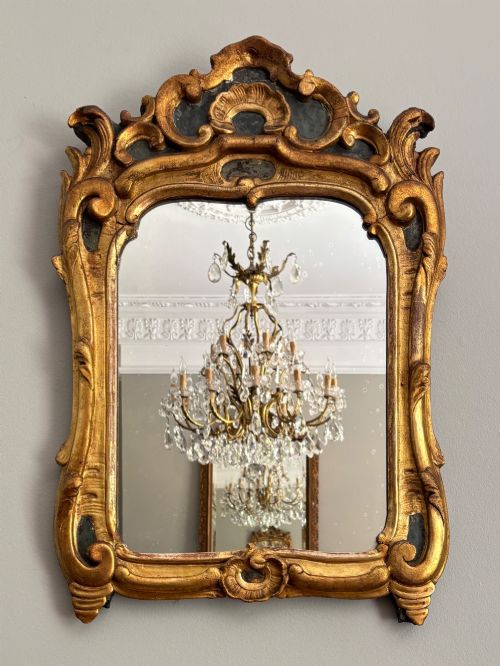
Makers shaped these mirrors using decorative vocabularies associated with the Rococo, Neoclassical, and Chippendale styles. Surviving examples demonstrate the enduring appeal of giltwood, carved pine, and parcel-gilt finishes.
How they were made
Artisans carved intricate frames from softwoods like pine or hardwoods such as walnut and mahogany, preparing the wooden base with layers of gesso. This fine plaster mixture received delicate detailing before the application of gold leaf or paint.
Gilding involved laying ultra-thin sheets of gold leaf onto the prepared surface, often burnished to achieve a brilliant metallic sheen. Silver gilt and painted finishes also appear across these historical examples.
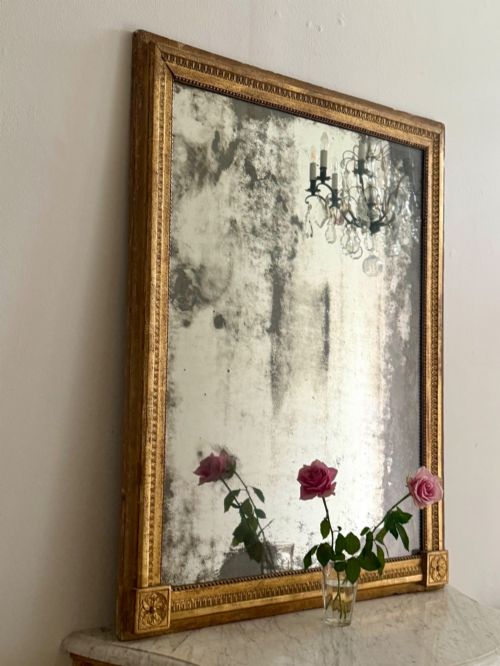
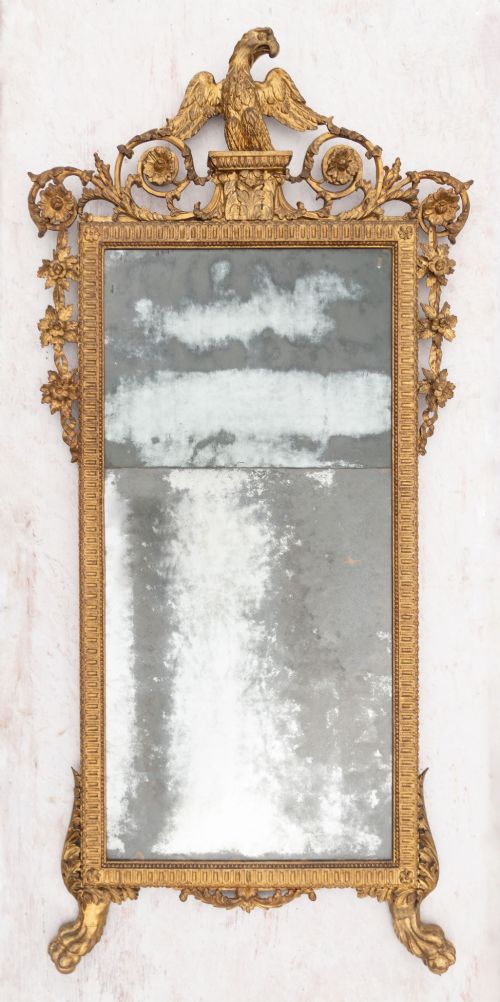
Original mirrors utilised mercury glass or silvered plate glass, frequently showing foxing and age spots from centuries of oxidation. Multiple plate configurations, such as triple plate mirrors, required precise joinery within the wooden rebate.
Marriage mirrors recorded here capture late-century romantic symbolism through specific carved motifs hidden within the giltwood frames.
What varies in quality
The depth and crispness of the hand-carved ornamentation separate standard frames from superior examples, with master carvers achieving remarkable fluidity in asymmetrical Rococo scrolls and acanthus leaves. Subtlety in proportion ensures the heavy frame harmonises with the glass plate rather than overpowering it.
The integrity of the original surface finish, whether undisturbed gold leaf, parcel-gilt highlights, or period painted pine, dictates the historical value of the piece. Preservation of early mercury mirror glass with natural foxing adds authenticity to the visual character.
The 18th Century Overmantel Mirror Glossary
- Giltwood
- Wood covered with thin sheets of gold leaf. This finish defines the most formal mirrors of the period.
- Gesso
- A mixture of plaster of Paris and glue used to coat carved wood. It provides a smooth base for subsequent gilding or painting.
- Foxing
- Age-related spots and discoloration on mirror glass. This chemical oxidation develops naturally over centuries behind the reflective surface.
- Parcel-gilt
- Partially gilded woodwork where specific carved details are highlighted in gold against a painted or polished wood background.
- Trumeau
- A decorative wall mirror combined with a painted panel or artwork above the glass. These originate primarily from French interior schemes.
18th Century Overmantel Mirror: Frequently Asked Questions
How do I hang an antique overmantel mirror safely?
These heavy wooden frames require professional wall anchoring directly into structural studs using heavy-duty brackets to support the substantial weight.
Weight distribution must be calculated carefully across the frame structure rather than relying solely on original hanging rings.
Can I place these mirrors in modern interiors?
The grand scale and gilded finishes provide a striking contrast against minimalist contemporary walls and neutral colour palettes.
Placing the frame above a fireplace or low sideboard creates an immediate sense of height and reflects natural light.
What causes foxing on old mirror glass?
Oxidation occurs when atmospheric moisture penetrates the protective backing behind the silver or mercury layer over many decades.
This creates characteristic dark speckles and cloudy patches that confirm the age of the plate.